
Accident-Damaged Cars in the UAE: How to Spot Repaired Panels

To spot an accident damaged car in the UAE, inspect for paint inconsistencies, uneven panel gaps, misaligned body parts, and signs of welding or filler. Check door and trunk seals for overspray, look under the vehicle for frame damage, and always request a vehicle history report to confirm any recorded collision damage before purchase.
Why Spotting Accident Damage Matters in Dubai
The UAE's used car market moves fast. Cars change hands frequently, and not every seller discloses a vehicle's full accident history. While some collision damage is cosmetic, structural issues can compromise safety, cause persistent alignment problems, and drastically reduce resale value.
Buyers who skip thorough inspections often discover hidden body damage only after purchase—when repair costs become their responsibility. Understanding what to look for protects your investment and ensures the vehicle you're considering is mechanically sound.
Common Physical Signs of Accident Damage
Start with a visual walk-around in good daylight. Many collision repairs leave telltale signs that become obvious once you know where to look.
Paint Inconsistencies and Texture Differences
Repainted panels rarely match factory finish perfectly. Look for slight colour variations between adjacent panels, especially on the doors, fenders, and rear quarter panels. Run your hand lightly over the paint surface—factory paint is smooth and consistent, while repaired areas may feel rough or show orange-peel texture.
Check for overspray on rubber seals, plastic trim, or inside door jambs. Professional body shops mask these areas, but rushed repairs often leave paint mist on components that should remain untouched.
Panel Gaps and Alignment
Factory-assembled cars have uniform gaps between panels. After a collision, even quality bodywork and paint repairs can result in uneven spacing. Open and close all doors, the bonnet, and the trunk—they should operate smoothly without binding or requiring force.
Look down the length of the vehicle from each corner. Body lines should flow continuously without dips, waves, or misalignment. Doors, bonnet, and boot lid should sit flush with surrounding panels.
Welding Marks and Filler
Inspect under the bonnet, inside the door frames, and around the trunk for welding spots or rough metalwork that looks different from factory welds. Use a small magnet on metal panels—if it doesn't stick or feels weak, the area likely contains body filler concealing damage.
Frame and Structural Damage Indicators
Cosmetic repairs are one thing; frame damage is another. Structural issues affect how the vehicle drives and how it will perform in a future accident.
- Uneven tire wear, especially if tyres are relatively new, suggests frame or suspension damage affecting alignment.
- The vehicle pulls to one side during straight-line driving, even after alignment and brake service.
- Doors or windows don't close properly, with persistent gaps or rattles.
- Visible crumpling, kinks, or repair welds on the chassis rails visible from underneath.
- Suspension mounting points show signs of impact or fresh welding.
If you notice any of these, request a professional pre-purchase inspection on a lift. Frame damage is difficult to repair correctly and often reduces the vehicle's structural integrity permanently.
Rear-End Collision Damage
Rear damage is common in stop-start Dubai traffic. While minor bumper scrapes are repairable, heavier rear-end collisions can affect the boot floor, rear suspension mounts, and even the fuel system.
Open the trunk and lift the carpet. Check the spare tire well and surrounding metal for creases, fresh undercoating, or mismatched paint. Inspect the rear panel gaps and tail light alignment—aftermarket or poorly fitted lights are a red flag. If the rear bumper feels loose or the exhaust hangs unevenly, the collision may have shifted mounting points.
Using Vehicle History Reports
Physical inspection is essential, but vehicle history reports add another layer of due diligence. Services like CARFAX or local UAE providers compile accident records, insurance claims, and registration changes.
Request the vehicle identification number (VIN) and run a history report before committing to a purchase. These reports won't catch every minor incident, but they reveal major accidents reported to insurance companies or logged during RTA inspections. Cross-reference the report findings with your physical inspection—if the report shows rear damage but the seller insists the car is accident-free, walk away.
Keep in mind that not all accident damage appears in history reports. Private repairs or incidents settled without insurance claims won't show up, which is why hands-on inspection remains critical.
What Vehicle History Reports Show
A comprehensive vehicle history report typically includes collision damage records, total loss declarations, odometer readings, ownership changes, and service records. In the UAE, some reports also flag vehicles imported from regions with different safety standards or those previously registered as taxis or rentals.
How Accident Damage Affects Vehicle Value
Even well-repaired cars lose value after an accident. Buyers discount vehicles with accident history because of concerns about hidden damage, future reliability, and resale difficulty. The severity of the original collision, quality of repairs, and transparency of disclosure all influence how much value is lost.
Minor cosmetic damage—a replaced bumper or repainted door—may reduce value by 5-10%. Structural frame damage, even if repaired, can cut resale value by 20-30% or more. For high-end European brands like Mercedes-Benz, BMW, or Audi, accident history is especially damaging because buyers expect pristine condition and complete service records.
Red Flags During the Buying Process
Sellers who are evasive, rush the transaction, or refuse to allow independent inspections should raise immediate concerns. Other warning signs include:
- Reluctance to provide the VIN for a history report check.
- Claims that service records or registration documents were "lost."
- Insistence on meeting in a location where you can't inspect the car properly in daylight.
- Prices significantly below market for similar cars, suggesting undisclosed issues.
- Newly replaced parts that don't match the vehicle's age or mileage, such as a brand-new radiator on a low-mileage car.
Take your time. A legitimate seller will accommodate reasonable requests for inspection and documentation. If something feels off, trust your instincts and keep looking.
Professional Inspection for Peace of Mind
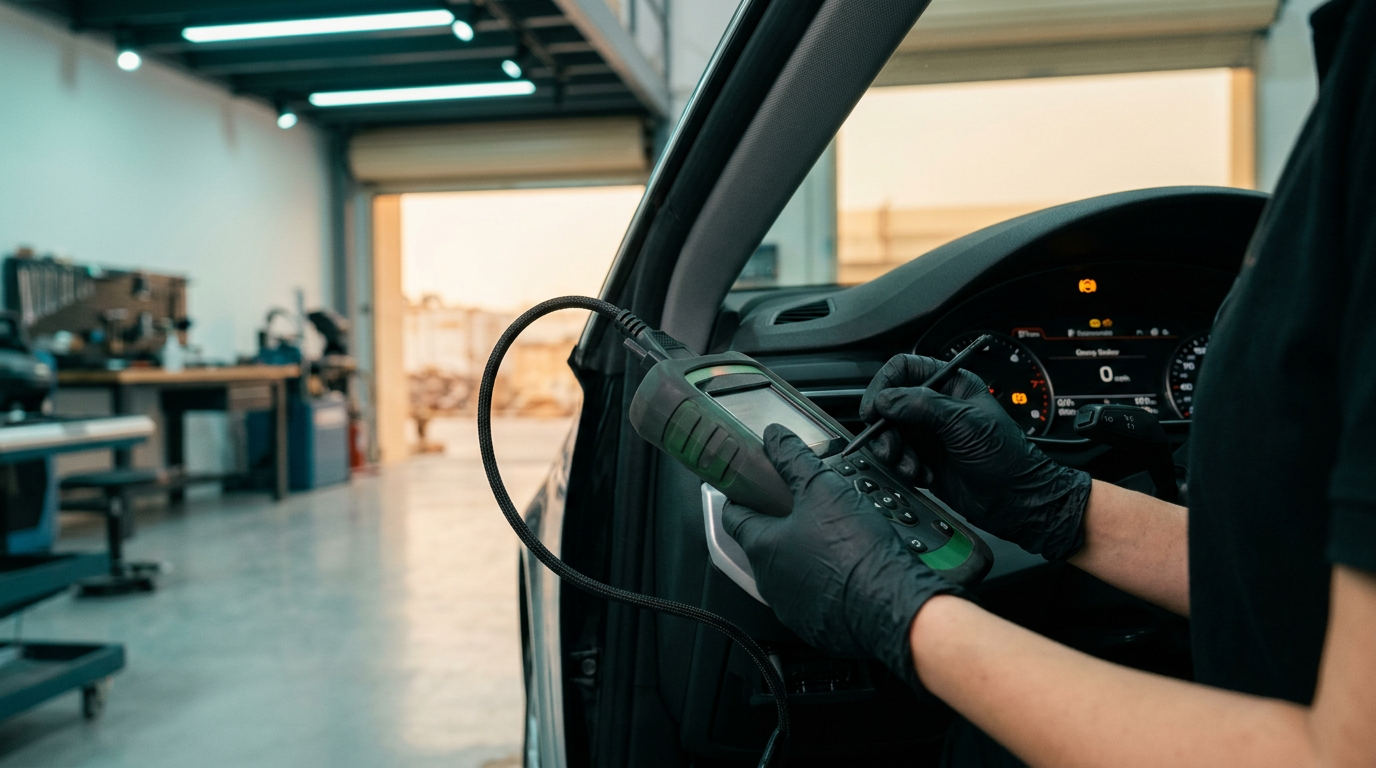
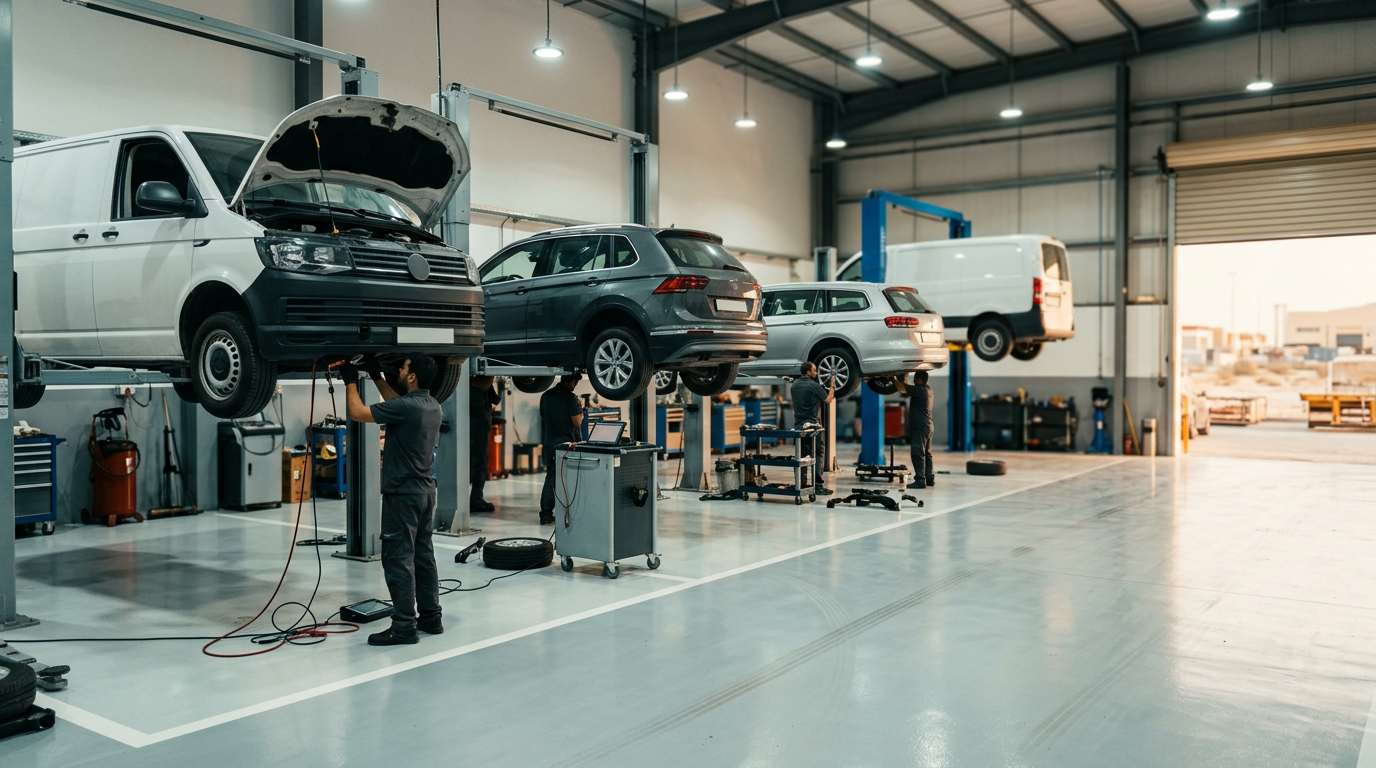
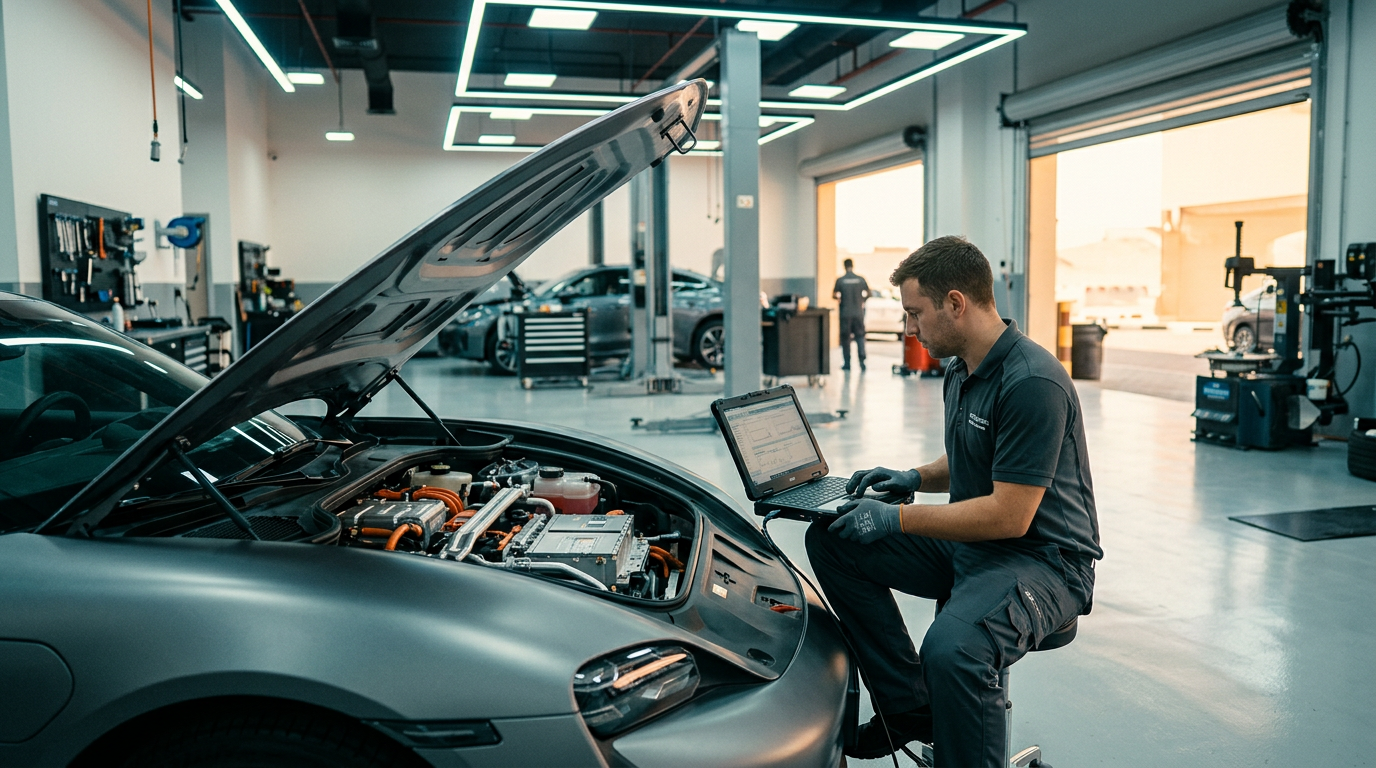
If you lack mechanical experience or the vehicle shows potential warning signs, invest in a professional pre-purchase inspection. Independent workshops with diagnostic equipment can assess frame alignment, check for hidden damage, scan for fault codes, and evaluate the quality of any previous repairs.
For European and performance vehicles—Porsche, Range Rover, Maserati—specialist knowledge is especially valuable. These cars have complex suspension and steering systems and electrical and electronics that can malfunction after improper collision repairs.
The cost of an inspection is minor compared to the expense of discovering frame damage or electrical gremlins after you've signed the paperwork.
Taking Action After Discovering Damage
If your inspection reveals accident damage the seller didn't disclose, you have options. Negotiate a lower price that reflects the true condition and repair costs, or walk away entirely if the damage is severe. For cars with structural issues or signs of poor-quality repairs, walking away is usually the smarter choice.
Even if you proceed with a discounted purchase, budget for a thorough post-purchase inspection and any necessary car repair work. Address alignment problems, replace substandard parts, and ensure all safety systems function correctly before relying on the vehicle daily.
Protecting Yourself in Dubai's Used Car Market
Dubai's roads see heavy traffic, and minor accidents are common. Many cars for sale have been in low-speed collisions that were repaired cosmetically but not structurally. Protect yourself by combining physical inspection, vehicle history reports, and professional assessment.
Don't let a seller pressure you into a quick decision. Verify the car's history, inspect it in daylight, test drive it on highways and city streets, and check for the warning signs outlined above. For high-value or performance vehicles, a specialist inspection is money well spent.
Remember that buying a used car with undisclosed accident damage isn't just a financial risk—it's a safety issue. Frame damage, compromised crumple zones, and faulty repairs can all affect how the vehicle performs in a future collision.
When to Walk Away
Some damage is simply too severe or too poorly repaired to justify the risk. Walk away if you find evidence of frame damage, structural welding, major rust or corrosion (rare in Dubai but possible on imported cars), airbag deployment without proper replacement, or flood damage—especially relevant given occasional heavy rains in the UAE.
There are plenty of well-maintained used cars available. Don't settle for one with a hidden history that could cost you thousands in repairs and compromise your safety.
If you're evaluating a used European or EV vehicle and want an expert second opinion, JAD Garage in Al Quoz 4 offers comprehensive pre-purchase inspections using manufacturer-grade diagnostic tools. Call +971 56 355 6113 to book an inspection slot and drive away with confidence.
Pre-Purchase Inspection in Al Quoz
Evaluating a used European or EV car in Dubai? JAD Garage in Al Quoz 4 provides thorough pre-purchase inspections with manufacturer-grade diagnostics to uncover hidden accident damage. Call +971 56 355 6113 to book your inspection.
Frequently asked questions