
Bentley and Rolls-Royce Servicing: What Specialist Care Involves

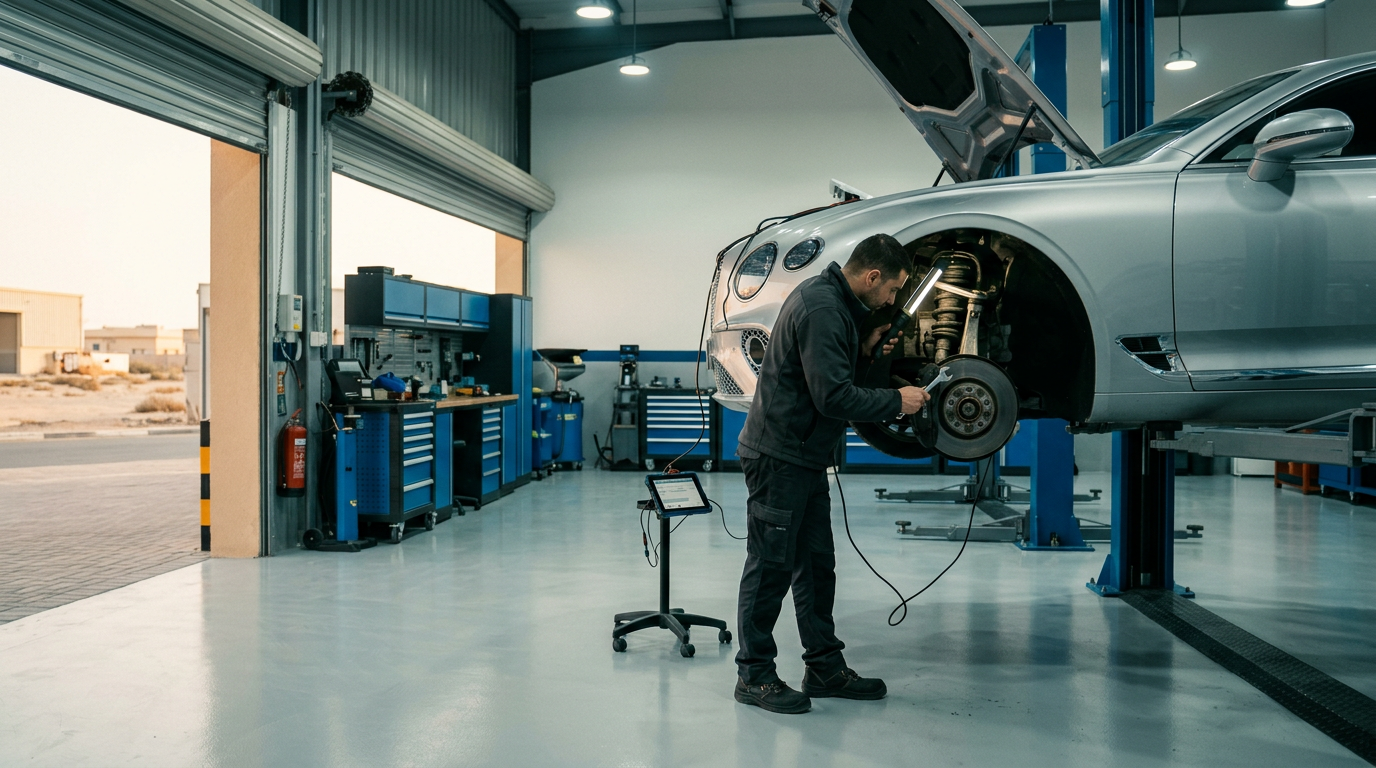
Bentley service in Dubai requires manufacturer-grade diagnostic equipment, climate-adjusted maintenance intervals and technicians experienced with complex air suspension, twin-turbo powertrains and bespoke electrical systems. Unlike standard luxury cars, both Bentley and Rolls-Royce models use unique architectures that demand specialist care, particularly in the UAE's extreme heat and dust conditions where cooling systems, air suspension and cabin filtration face accelerated wear.
Why Bentley and Rolls-Royce Require Specialist Care
A Bentley Continental GT or Flying Spur shares little with mass-market vehicles. The W12 engine, adaptive air suspension and multi-network electrical architecture require proprietary diagnostic protocols that generic scan tools cannot access. Similarly, Rolls-Royce models like the Phantom or Ghost use bespoke platforms with self-levelling suspension, satellite-aided transmission and complex driver assistance systems.
In Dubai's climate, these systems face unique challenges. Ambient temperatures reaching 50°C stress turbochargers, intercoolers and transmission oil. Fine sand infiltrates cabin filters within weeks, while stop-start traffic in areas like Sheikh Zayed Road accelerates brake wear and carbon buildup. A luxury car service centre must understand how these conditions alter factory service intervals and which components require more frequent inspection.
Core Bentley Service Requirements
Annual Service and Oil Changes
Bentley recommends annual servicing or at 16,000 km intervals, whichever comes first. In UAE conditions, the time-based interval often arrives before the mileage threshold due to short-trip city driving and heat degradation of engine oil. A proper oil change for a Bentley uses manufacturer-specified oil grades—typically 0W-40 or 5W-30 fully synthetic—and OEM or equivalent filters designed for the extended sump capacity of W12 and V8 engines.
The service includes inspection of the air suspension system, which uses electronically controlled air springs at each corner. Leaks in air lines or compressor wear are common after three to four years in Dubai, where heat hardens rubber seals. Early detection prevents the system defaulting to a fixed height and triggering warning messages.
Brake System Maintenance
Bentley models use large ventilated disc brakes, often with carbon-ceramic options on performance variants like the Continental GT Speed. Standard cast-iron discs require brake service every 30,000 to 50,000 km depending on driving style, but Dubai's stop-start traffic accelerates pad wear. Carbon-ceramic brakes last significantly longer but demand specialist knowledge—improper bedding-in or contaminated pads can cause judder or reduced bite.
Brake fluid replacement is critical every two years. The hygroscopic nature of DOT 4 fluid means it absorbs moisture from Dubai's humid coastal air, lowering the boiling point and risking vapour lock during spirited driving or mountain descents on routes like the Hatta road.
Suspension and Steering
The adaptive air suspension system is central to the Bentley driving experience, adjusting ride height and damping in real time. A specialist workshop performs leak tests, compressor diagnostics and calibration of ride-height sensors. Worn air springs announce themselves through sagging at one corner overnight or a hissing sound when the car is parked. Suspension and steering work also covers bushings, ball joints and the electronic power steering system, which requires software calibration after component replacement.
Rolls-Royce Servicing Considerations
Rolls-Royce service intervals mirror Bentley's annual or 16,000 km schedule, but the brand's engineering philosophy emphasises different priorities. The 6.75-litre V12 (or twin-turbo V12 in newer models) prioritises refinement over outright performance, with engine services focusing on eliminating any trace of vibration or noise. This means precise valve clearance checks, meticulous fuel injector cleaning and attention to engine mounts that isolate the powertrain from the cabin.
The satellite-aided transmission system—which pre-selects gears based on GPS road data—requires regular transmission service including fluid and filter changes. Heat accelerates transmission fluid breakdown, and neglecting the service interval can lead to harsh shifts or delayed engagement, particularly noticeable in a car engineered for seamless power delivery.
Electrical System Complexity
Both brands employ extensive electrical networks controlling everything from adaptive cruise control to powered door closers. Electrical and electronics diagnostics require access to manufacturer-level software to read fault codes from multiple control modules. Common issues include battery drain from parasitic loads—especially problematic when cars sit unused in Dubai's heat—and sensor failures in driver assistance systems.
Battery health is critical. The large 12-volt batteries in these vehicles can fail suddenly after three to four years in the UAE. Battery services include load testing and checking the alternator output, which must maintain voltage under the load of multiple comfort systems running simultaneously in traffic.
Climate-Adjusted Maintenance for Dubai
UAE conditions demand adjustments to standard service schedules:
- Cabin air filters: Replace every 10,000 km instead of the factory 20,000 km interval due to fine sand accumulation affecting HVAC performance and air quality.
- Coolant system: Inspect hoses and coolant concentration annually; heat causes rubber degradation and coolant breakdown faster than in temperate climates.
- AC system: Annual AC service including refrigerant pressure check, condenser cleaning and evaporator inspection prevents the warm-air failures common in Dubai summers.
- Tyre inspection: Check pressures monthly and inspect for heat-related sidewall cracking every 5,000 km; tyre services should include rotation and alignment to prevent uneven wear from hot asphalt.
- Turbocharger care: Allow 30 seconds of idle before shutdown after spirited driving to prevent heat-soaking the turbo bearings, and use high-quality oil to protect against coking in the oil feed lines.
Common Issues Requiring Specialist Attention
Air Suspension Faults
Air suspension warnings often indicate leaking air springs, failed compressors or faulty ride-height sensors. Diagnosis requires pressure testing each corner and monitoring compressor duty cycle. Ignoring the warnings can strand the car in an undriveable low position. Repair typically involves replacing air springs or compressor units, followed by system calibration to restore correct ride height and damping response.
Engine Performance and Carbon Buildup
Direct-injection engines in modern Bentley models are prone to intake valve carbon buildup, especially with short-trip city driving common in Dubai. Symptoms include rough idle, hesitation on acceleration and increased fuel consumption. Specialist workshops use walnut-shell blasting to clean valves without removing the cylinder heads, restoring performance and smoothness.
Transmission Concerns
The ZF eight-speed automatic used in many Bentley and Rolls-Royce models is robust but sensitive to fluid condition. Delayed shifts, shuddering during acceleration or failure to engage Drive can indicate worn clutch packs or degraded fluid. Diagnostic services retrieve transmission adaptation values and fault codes, guiding whether a fluid service will resolve the issue or if internal repair is needed.
OEM Parts Versus Alternatives
Genuine Bentley and Rolls-Royce parts carry premium pricing, but certain components have quality alternatives. Engine oil, brake fluid and cabin filters from premium suppliers like Mann, Mahle or Bosch meet or exceed OEM specifications at lower cost. However, for critical systems—air suspension components, electronic modules, turbochargers—OEM parts ensure correct fit, calibration and longevity.
A specialist workshop sources both OEM and premium alternative parts, advising on which choice makes sense for each component. For example, using OEM air springs ensures correct ride height and damping curves, while premium brake pads from Pagid or Textar deliver equivalent performance to OEM at better value.
Choosing a Bentley Service Centre in Dubai
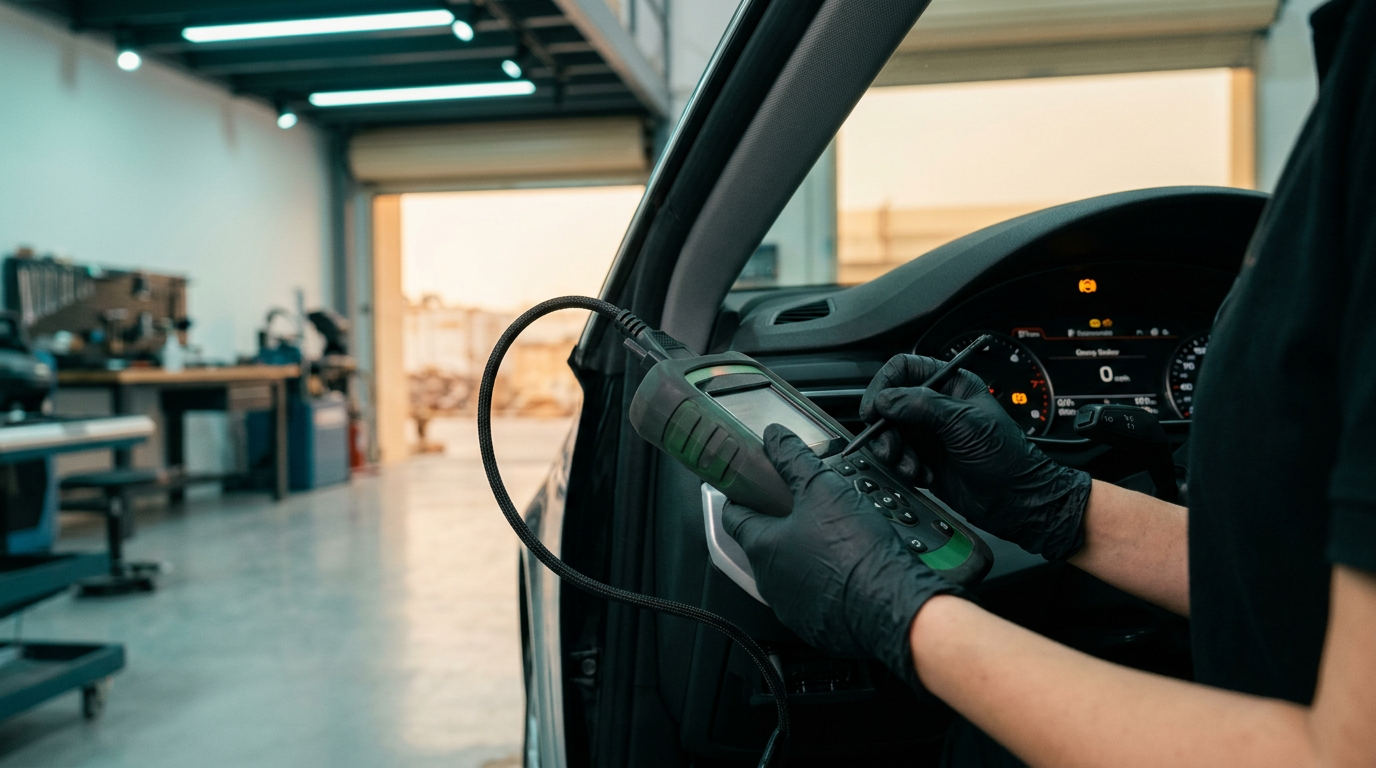
When selecting a service centre for Bentley repair in Dubai, verify the workshop has manufacturer-grade diagnostic equipment capable of full system access. Generic OBD scanners cannot read proprietary control modules or perform calibrations required after component replacement. Ask about technician experience with air suspension, twin-turbo engines and complex electrical systems specific to these brands.
Location matters for convenience. Workshops in Al Quoz offer central access from both Dubai Marina and Downtown areas, with industrial infrastructure supporting the specialist equipment and parts inventory these cars require. A quality car repair centre will provide transparent communication about required work, explaining which services are urgent versus preventative and offering parts options with clear cost implications.
Service Records and Resale Value
Complete service history significantly affects resale value for Bentley and Rolls-Royce vehicles. Buyers expect documented annual services with stamped records, invoices for major work and evidence of recommended preventative maintenance. Even if serviced outside the dealer network, maintaining detailed records from a specialist workshop preserves value and demonstrates responsible ownership.
For owners considering pre-purchase inspection of a used Bentley or Rolls-Royce, a specialist inspection reveals deferred maintenance, suspension wear and electronic faults that may not be apparent during a test drive. The inspection typically costs 800 to 1,500 AED but can save tens of thousands by identifying issues before purchase.
Specialist Bentley and Rolls-Royce Care in Al Quoz
JAD Garage in Al Quoz 4 provides specialist servicing for Bentley and Rolls-Royce models using manufacturer-grade diagnostics and climate-aware maintenance schedules. Call +971 56 355 6113 to discuss your car's service needs or book an inspection at our workshop on Street 8.
Frequently asked questions