
Car Dashboard Warning Lights Explained (UAE Driver's Guide)

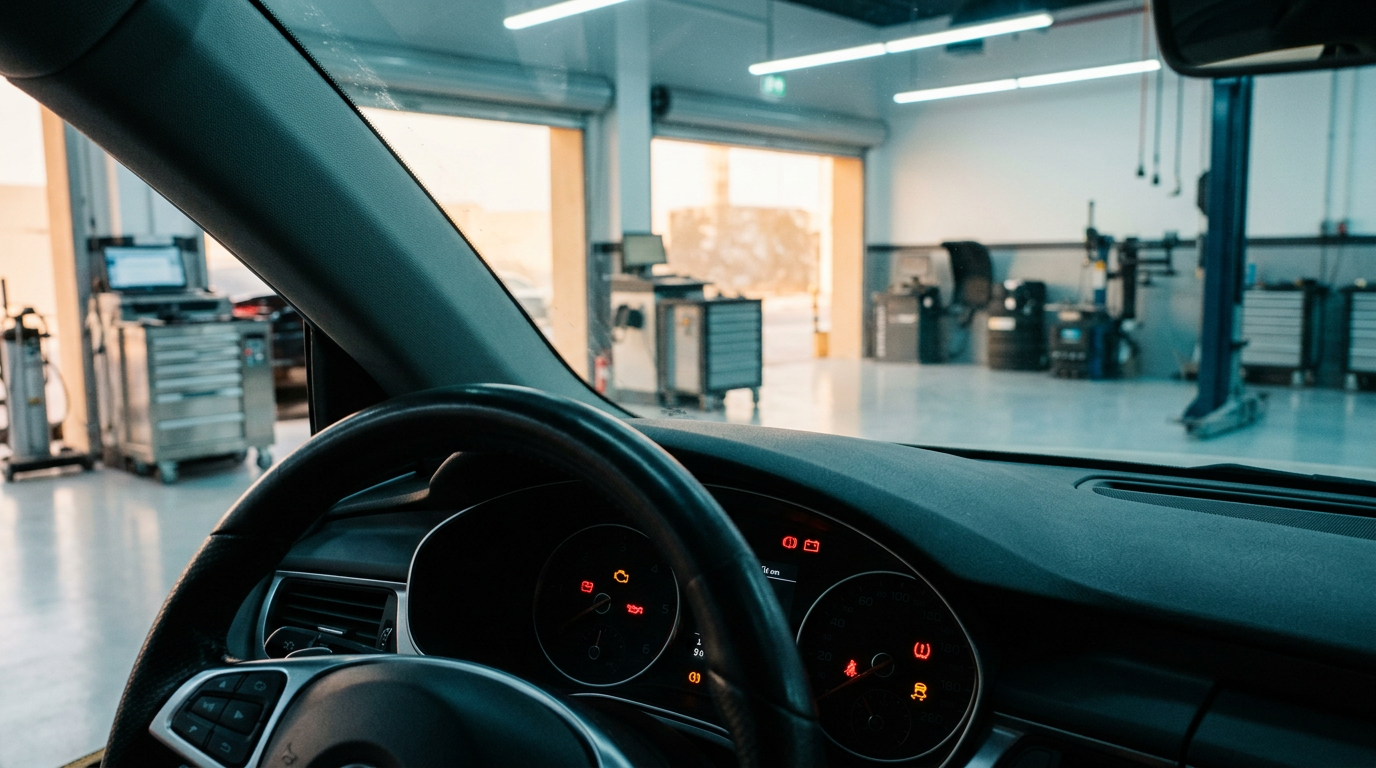
Dashboard warning lights use colour-coded symbols to alert you to vehicle system status: red means stop immediately, amber or yellow indicates caution or service needed soon, and green or blue shows a feature is active. Understanding these car dashboard signs and meanings helps you distinguish between a minor reminder and a fault that can damage your engine or compromise safety on UAE roads.
How Dashboard Warning Light Colours Work
Modern vehicles follow a near-universal colour hierarchy. Red lights signal critical issues—low oil pressure, brake system failure, overheating—that demand you pull over safely and switch off the engine. Amber or yellow lights indicate a system fault or maintenance reminder that requires attention soon but usually permits continued driving to a workshop. Green, blue or white lights are informational, confirming that cruise control, headlamps or parking sensors are active.
In Dubai's summer heat, temperature-related red lights appear more frequently. Coolant temperature warning, oil pressure lamp and battery charge indicator are the three red symbols that should never be ignored, even for a short distance.
Critical Red Warning Lights: Stop Immediately
Engine Oil Pressure Warning Light
An oil-can symbol glowing red means oil pressure has dropped below safe limits. Continuing to drive risks catastrophic engine damage within minutes. Pull over, switch off and check the dipstick; if oil level is adequate, the fault lies with the pump, sensor or a leak. Oil change intervals in the UAE are shorter than temperate climates—typically every 5,000–7,500 km—because heat thins lubricant and accelerates oxidation.
Coolant Temperature Warning Light
A thermometer icon or the word TEMP in red indicates the engine is overheating. Stop as soon as safe, turn off the engine and wait at least 30 minutes before opening the coolant reservoir. Driving an overheating engine warps cylinder heads and cracks blocks. Dubai's ambient temperatures above 45°C place extra load on cooling systems, so low coolant, failing thermostats and clogged radiators trigger this lamp more often than in cooler regions.
Brake System Warning Light
A circle with an exclamation mark or the word BRAKE signals low brake fluid, worn pads or an ABS fault. If the light stays on after releasing the handbrake, braking performance is compromised. Drive cautiously to the nearest workshop or call for recovery. Brake services should inspect fluid level, pad thickness and calliper condition, especially after repeated stop-start traffic common in Dubai's urban corridors.
Battery Charge Warning Light
A battery symbol means the alternator is not charging. You can drive a few kilometres on battery reserve alone, but once depleted the engine will stall. High cabin electrical load—air conditioning at maximum, rear defogger, multiple USB devices—drains the battery faster. Battery services include alternator output testing and terminal cleaning; UAE heat shortens battery life to 18–24 months on average.
Amber and Yellow Lights: Service Soon
Check Engine Light (Malfunction Indicator Lamp)
An engine outline or the words CHECK ENGINE indicate the onboard diagnostics system has logged a fault code. Causes range from a loose fuel cap to a failing oxygen sensor or catalytic converter. The light may illuminate steady or flash; flashing warns of a misfire that can damage the catalyst and requires immediate attention. Diagnostic services retrieve the exact fault code and pinpoint the component, avoiding guesswork and unnecessary part replacement.
Tire Pressure Monitoring System (TPMS) Light
A horseshoe shape with an exclamation mark signals that one or more tires are significantly under-inflated—typically 25 per cent below the recommended psi. In Dubai's heat, under-inflation accelerates tread wear and increases blowout risk on highways. Check all four tires plus the spare when cool, and inflate to the placard specification on the driver's door jamb. Tire services include sensor diagnostics if the light persists after correct inflation.
ABS Warning Light
The letters ABS inside a circle mean the anti-lock braking system has a fault. Normal braking still functions, but you lose the pulsing assistance that prevents wheel lock-up during emergency stops. Common causes include wheel-speed sensor damage from sand ingress or corroded wiring. The system should be inspected before the next rain event, when ABS becomes critical on slick road surfaces.
Airbag / SRS Warning Light
An SRS or airbag symbol indicates a fault in the supplemental restraint system. Airbags may not deploy in a collision, or they may deploy unexpectedly. Causes include seat-belt pre-tensioner faults, impact sensors or wiring under seats disturbed during cleaning. Electrical and electronics diagnostics identify which module has logged the fault.
Diesel Particulate Filter (DPF) Warning
A box with dots inside warns that the diesel particulate filter is nearing capacity. Short urban trips prevent the exhaust reaching the 600°C needed for regeneration. Driving at highway speed for 20–30 minutes usually clears the warning. Ignoring it leads to limp mode and expensive filter replacement. European diesel models—BMW, Mercedes-Benz, Audi, Land Rover—are especially prone in Dubai's stop-start traffic.
Service Reminder Light
A spanner icon or the word SERVICE indicates a scheduled maintenance interval has arrived, calculated by mileage or time. This is not a fault but a prompt to book general maintenance: engine oil, filters, brake fluid, coolant inspection. Resetting the reminder without performing the service leaves wear items unchecked and may affect resale value.
Green and Blue Indicator Lights
These confirm a system is active. Green arrows show indicator direction; a green car with waves indicates lane-keeping assist is on; blue high-beam symbol warns you are dazzling oncoming traffic. Cruise control, parking sensors, automatic headlamps and electric parking brake all use green or white icons when engaged. They require no action unless you want to deactivate the feature.
Manufacturer-Specific Symbols
While most warning lights follow ISO standards, some brands add proprietary icons. Porsche uses a stylised suspension symbol for PASM faults; Ferrari and Lamborghini display gearbox temperature warnings specific to dual-clutch transmissions; Volvo and Polestar show battery-management lights on plug-in hybrids and EVs. Always cross-reference the owner manual for your exact model year, or consult a specialist familiar with the marque.
What to Do When a Warning Light Appears
- Red light: pull over safely, switch off the engine, check fluid levels and call for recovery if you cannot identify a simple fix like topping up washer fluid (which uses a blue symbol, not red).
- Amber light steady: reduce speed, avoid harsh acceleration, and book a diagnostic appointment within a few days.
- Amber light flashing: treat as urgent; a flashing check engine light means active misfire. Drive gently to the nearest workshop.
- Green or blue light: no action required unless the feature should not be active (for example, high beam in traffic).
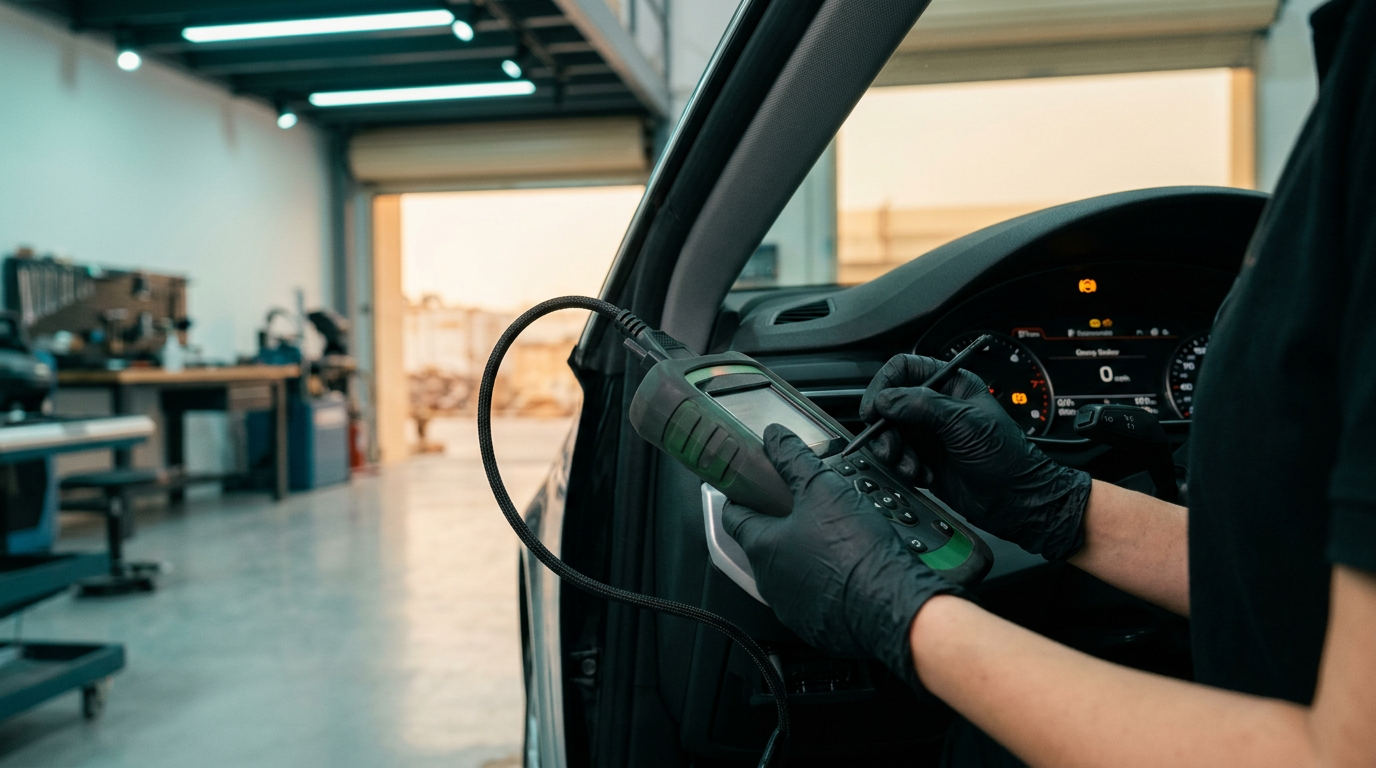
Do not ignore multiple warning lights illuminated simultaneously; this often indicates an electrical fault or a single critical issue triggering secondary warnings. Diagnostic services with manufacturer-grade scan tools read fault codes from all control modules, not just the engine ECU, revealing the root cause.
Dashboard Lights and UAE Driving Conditions
Fine sand infiltrates air intakes and clogs cabin filters, reducing airflow and triggering engine temperature warnings. Low washer-fluid indicators appear frequently because windscreen cleaning in dusty conditions depletes the reservoir faster. Tire pressure fluctuates with the 20–30°C swing between night and midday, so TPMS lights may illuminate on cool mornings then extinguish by afternoon; always check pressure when tires are cold.
RTA vehicle testing requires all dashboard warning lights to extinguish after the initial bulb check. A persistent lamp—even a service reminder—can result in a fail and retest fee. Address any illuminated warning before your registration renewal to avoid delays.
When to Seek Professional Diagnostics
If a warning light appears intermittently, the fault code remains stored in the vehicle's memory even after the lamp goes out. Waiting for the problem to worsen risks secondary damage: a small coolant leak ignored becomes a seized engine; a misfire left unchecked destroys the catalytic converter. Modern European vehicles—Audi, BMW, Mercedes-Benz, Porsche, Range Rover—use CAN-bus networks linking dozens of control modules, so accurate diagnosis requires workshop-level scan tools that read manufacturer-specific codes.
Independent specialists with diagnostic services and ECU programming capability can interpret fault codes, perform component tests and clear false warnings after repair, ensuring the system is genuinely fault-free rather than simply resetting the lamp.
Keeping Your Dashboard Clear
Preventive maintenance keeps warning lights off. Regular oil changes, brake inspections, battery tests and tire rotations address wear before it triggers a fault. Scheduling service according to the owner manual—or sooner in severe climates—avoids the cascade of warnings that appear when multiple systems reach end-of-life simultaneously.
For vehicles used in short urban trips, occasional highway drives help regenerate diesel particulate filters, clear carbon deposits and fully charge the battery. If your driving pattern is exclusively city-based, discuss interval adjustments with your workshop to account for higher engine hours relative to odometer mileage.
Dashboard Warning Light On? Get Expert Diagnostics
JAD Garage in Al Quoz 4 uses manufacturer-grade diagnostic equipment to read fault codes, test components and clear warnings after verified repair. Call +971 56 355 6113 or visit us Monday to Saturday, 09:00–19:00.
Frequently asked questions