
EV vs Petrol Cars in Dubai: Which Makes More Sense in 2026?
JAD Garage breaks down the key differences between electric and petrol cars in Dubai, comparing costs, performance, and suitability for the local environment.


You're deciding between an electric vehicle and a petrol car in Dubai, wondering which costs less long-term. This guide compares ownership costs, daily expenses, maintenance, and practical considerations. You'll finish understanding which option fits your budget and lifestyle.
Key Points to Remember
- The UAE EV market grows at 30% annually as more drivers recognize long-term savings
- Dubai offers free parking, toll exemptions, and reduced registration fees for EV owners
- Over 1,000 charging stations now operate across Dubai with ongoing expansion
- EVs eliminate oil changes, transmission services, and many routine maintenance costs
- The UAE targets 10% of vehicles to be electric by 2030
What the Numbers Actually Mean
Electric vehicles cost more upfront but deliver lower daily expenses. Charging costs significantly less than petrol, and EVs require minimal maintenance.
Petrol cars offer lower purchase prices and established refueling infrastructure. However, fuel costs and routine maintenance accumulate over ownership years. The break-even point typically arrives after several years based on your driving patterns.
Daily Running Costs in Dubai
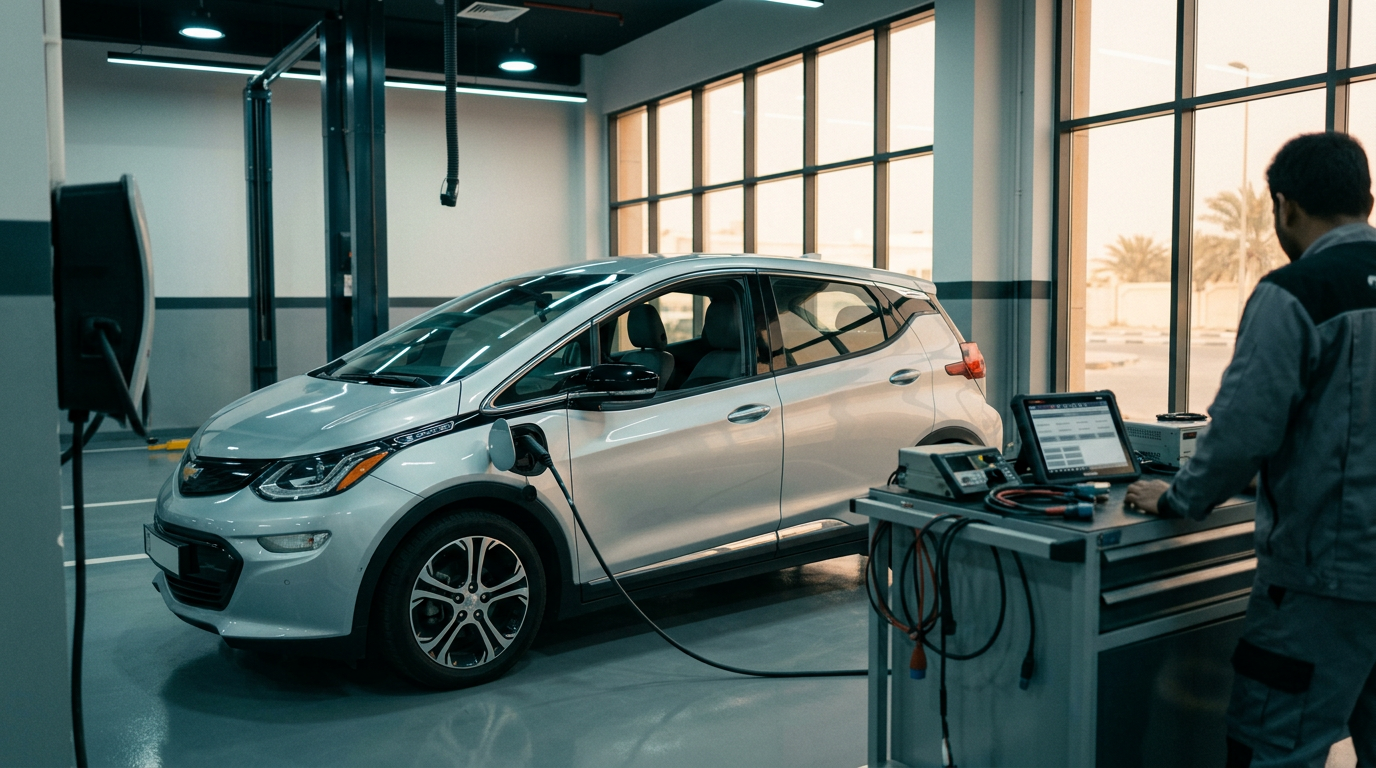
Electricity for charging costs substantially less than petrol. Home charging provides the lowest rates, while public stations offer competitive pricing.
Petrol prices fluctuate monthly based on global oil markets. While Dubai maintains relatively affordable fuel, prices still impact monthly budgets. Most Dubai residents drive short daily distances, perfectly suited for electric vehicles with overnight home charging.
Government Incentives That Matter
Dubai provides free parking and toll exemptions for EV owners. These daily savings accumulate quickly for regular commuters.
Registration fees drop for electric vehicles. The UAE's commitment to 10% EVs by 2030 ensures continued infrastructure support. Petrol cars receive no special incentives—you pay standard fees and charges throughout ownership.

Maintenance Reality Check
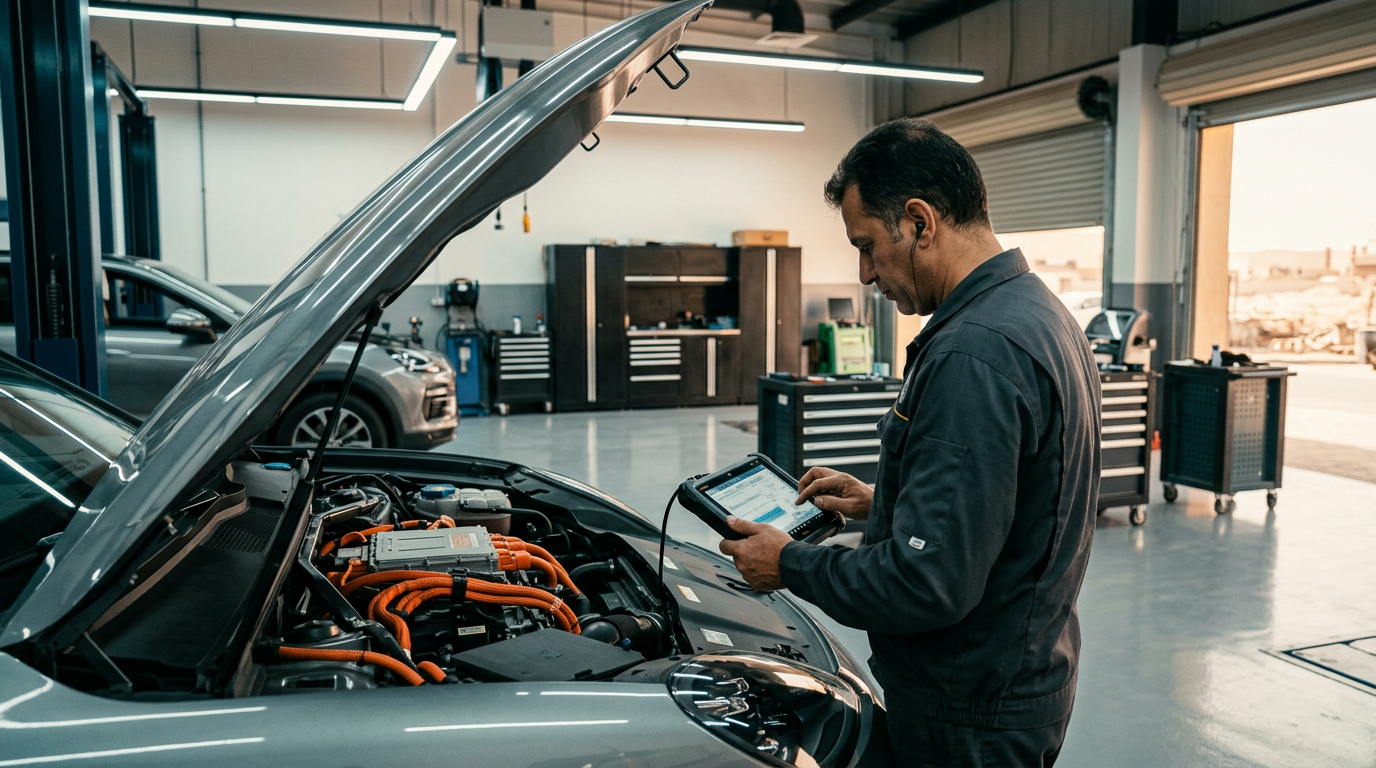
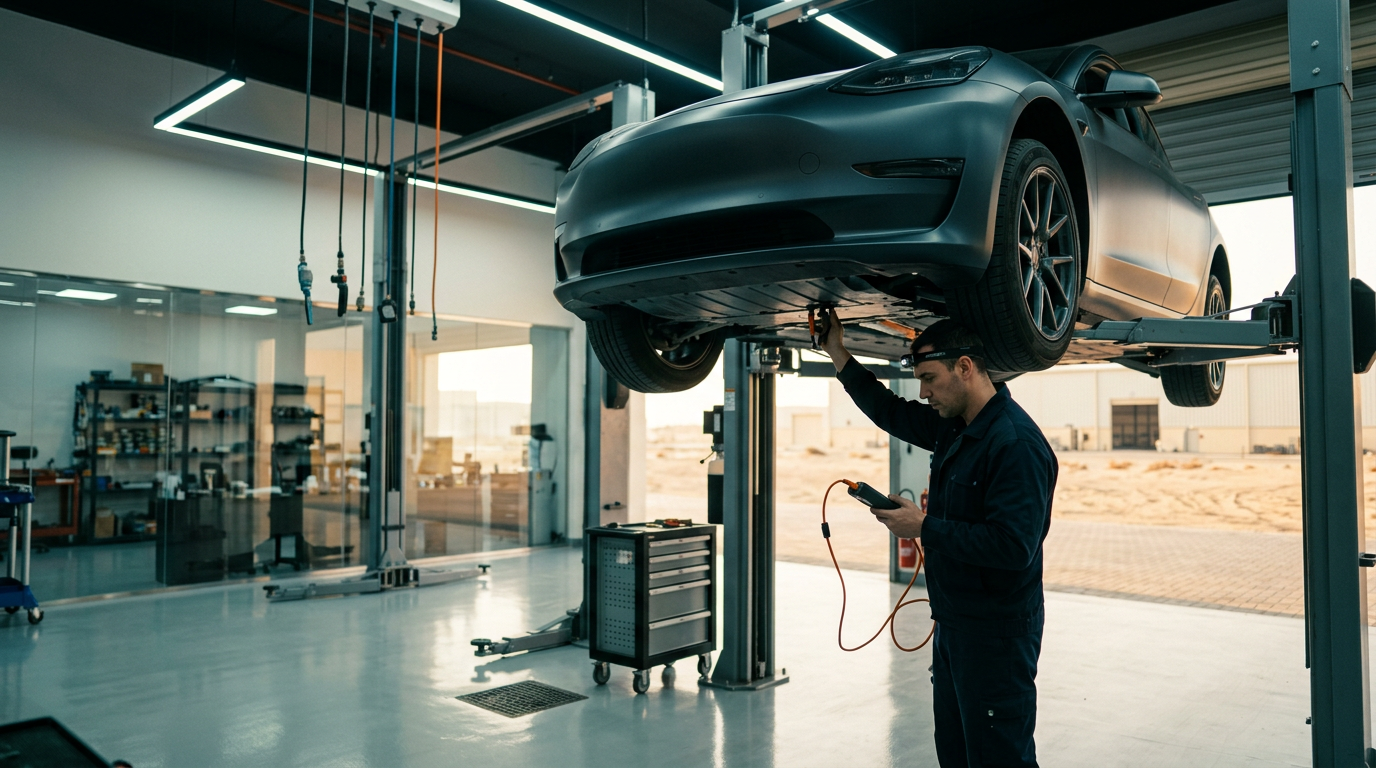
Electric vehicles eliminate oil changes, transmission fluid, spark plugs, and exhaust repairs. Fewer moving parts mean fewer replacements. Regenerative braking extends brake life dramatically.
Petrol cars require regular servicing—oil changes, filter replacements, transmission maintenance, and exhaust work. These routine costs continue throughout ownership, typically exceeding EV maintenance significantly.
Dubai's Charging Infrastructure
DEWA operates over 1,000 public charging stations across malls, business districts, and highways. Ultra-fast DC chargers complete most EVs in under 30 minutes.
The UAE plans national ultra-fast corridors connecting major cities. Expansion continues as adoption increases, reducing range concerns.
When Petrol Makes More Sense
Long-distance driving without charging infrastructure favors petrol cars. Remote areas and desert excursions require careful EV planning but pose no concerns for conventional vehicles.
Regular long-haul trips beyond UAE suit petrol better. Quick refueling everywhere versus charging stations concentrated in urban corridors. Towing heavy loads or extreme off-road adventures work better with traditional engines.
When EVs Win the Comparison
Daily urban commuting strongly favors electric vehicles. Short trips with home charging eliminate fuel stops while costing fraction of petrol expenses.
Fixed routes with predictable distances suit EVs perfectly. Zero tailpipe emissions improve local air quality, supporting Dubai's sustainability goals while reducing your carbon footprint.
Common Mistakes Buyers Make
Comparing only purchase prices ignores total ownership costs. Calculate fuel, maintenance, insurance, and incentives over five years for accurate comparison.
Overestimating charging difficulty stops —most charge at home overnight. Underestimating petrol maintenance creates false savings. Ignoring government incentives skews calculations—free parking and toll exemptions save thousands annually for frequent drivers.

Which Fits Your Situation
| Your Driving Pattern | Better Choice | Why It Works |
|---|---|---|
| Daily urban commute under 100km | Electric vehicle | Lowest running costs, home charging convenient, government incentives maximize savings |
| Weekly Abu Dhabi trips | Electric vehicle | Range sufficient, charging available, lower total costs over time |
| Regular desert off-roading | Petrol car | No range anxiety, refuel anywhere, proven reliability in extreme conditions |
| Long-distance travel beyond UAE | Petrol car | Quick refueling, infrastructure everywhere, no charging concerns |
| Mixed city and highway driving | Either option | Both work well, decision depends on charging access and budget priorities |
What to Do Next
Calculate your actual monthly fuel costs over three months, then compare against electricity costs. Research charging options where you park regularly—check if your building allows home charger installation.
Test drive both options in Dubai conditions before deciding. Compare honest five-year total costs including purchase price, fuel, maintenance, insurance, and government incentives.
Best Practices for Smart Vehicle Choices
Consider your longest regular journey when evaluating range. Don't overweight occasional long trips in your decision.
Factor parking and tolls into calculations if you commute regularly. These savings best justify higher EV purchase prices. Think about future vehicles too—government support increases as Dubai pursues sustainability goals, positioning early adopters best for expanding infrastructure.
Making Your Choice Work
Electric vehicles and petrol cars both serve Dubai drivers effectively based on driving patterns and priorities.
EVs deliver lower running costs and government incentives. Petrol cars offer lower purchase prices and universal refueling. Understanding total ownership costs rather than purchase prices alone leads to smarter decisions.
Need Help Deciding Between EV and Petrol?
Choosing between electric and petrol vehicles requires understanding your specific driving patterns, charging access, and long-term costs. If you're uncertain which option fits your lifestyle or need guidance calculating real ownership expenses, our team can help you understand your options and recommend next steps based on your situation.
Contact us for advice fitting your situation.
Frequently asked questions