
Sandstorm Car Protection in Dubai: What Every Driver Must Know
JAD Garage shares how to protect your car from Dubai's sandstorms, from exterior care to engine and filter maintenance after a storm.

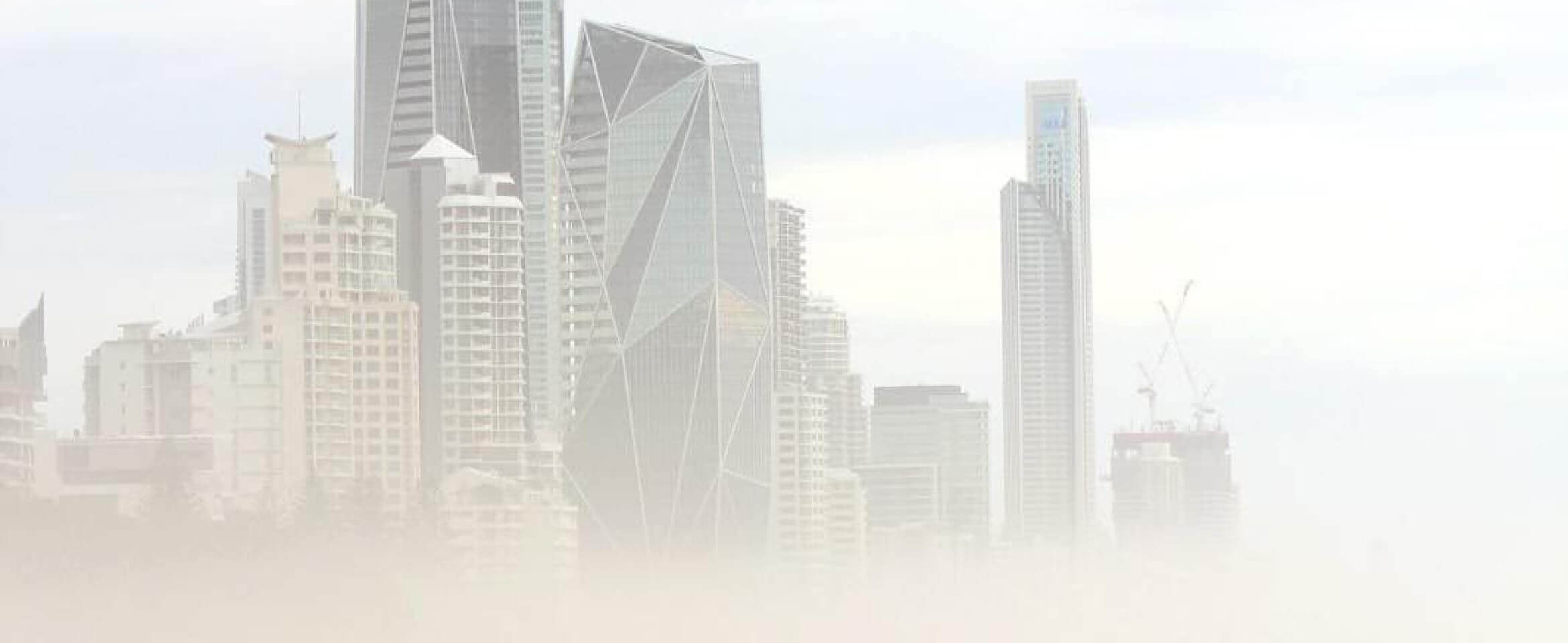
You're driving on Sheikh Zayed Road when visibility drops to one kilometer within minutes. Sand whips across your windshield at 80 km/h wind speeds, and the sky turns rust-red. Sandstorms in Dubai last 2-5 hours on average, but the damage they cause to your vehicle can be permanent if you don't take proper precautions.
This guide explains how sandstorms damage vehicles, which protective measures actually work, and what to do immediately after a storm. No complicated terminology—just practical information to help you protect your car investment in Dubai's challenging climate.
Key Points
- Dust storms occur more frequently during March-April with maximum events in winter months
- Sand particles act like microscopic blades, scratching paint, windshields, and plastic trim
- Paint protection requires ceramic coating or quality wax applied before storm season
- Air filters and cabin filters clog quickly during sandstorms, reducing engine and AC performance
- Washing your car within 24 hours after a storm prevents permanent paint damage
What sandstorms actually do to your car
Dubai sandstorms carry particles between 0.08-1 mm that travel at 40-80 km/h, creating abrasive effects on exposed surfaces.
Your car's clear coat—only as thick as a Post-it note—develops microscopic scratches when thousands of sand particles strike it at high speeds. This protective layer gradually wears away, exposing base paint to oxidation. Windshields develop pitting that scatters light, while plastic headlights become hazy as protective coatings erode.
Warning signs your car needs attention
Paint damage appears as dullness or chalky texture that won't improve with washing. The surface feels rough instead of smooth and glossy.
Headlights look cloudy even after cleaning, indicating eroded protective coating leaving plastic exposed to UV damage.
Unusual engine sounds or reduced power suggest sand in the air intake system. Weak AC performance despite recent servicing points to sand blocking filters or condenser fins.
Common protection mistakes
Many drivers wait until after a sandstorm to take action. By then, sand particles are already embedded in the paint, and washing becomes more likely to create scratches than prevent them.
Using regular household cleaning products strips away protective wax layers. Car-specific pH-balanced soap maintains the protective coating while removing sand safely.
Wiping sand off a dry surface with cloths or towels grinds particles into the paint like sandpaper. Always rinse thoroughly with water first to remove loose sand before any contact cleaning.
Ignoring filter replacements after storms allows accumulated sand to restrict airflow. Clogged filters reduce fuel efficiency and strain both the engine and AC system, leading to expensive repairs.
When to take action
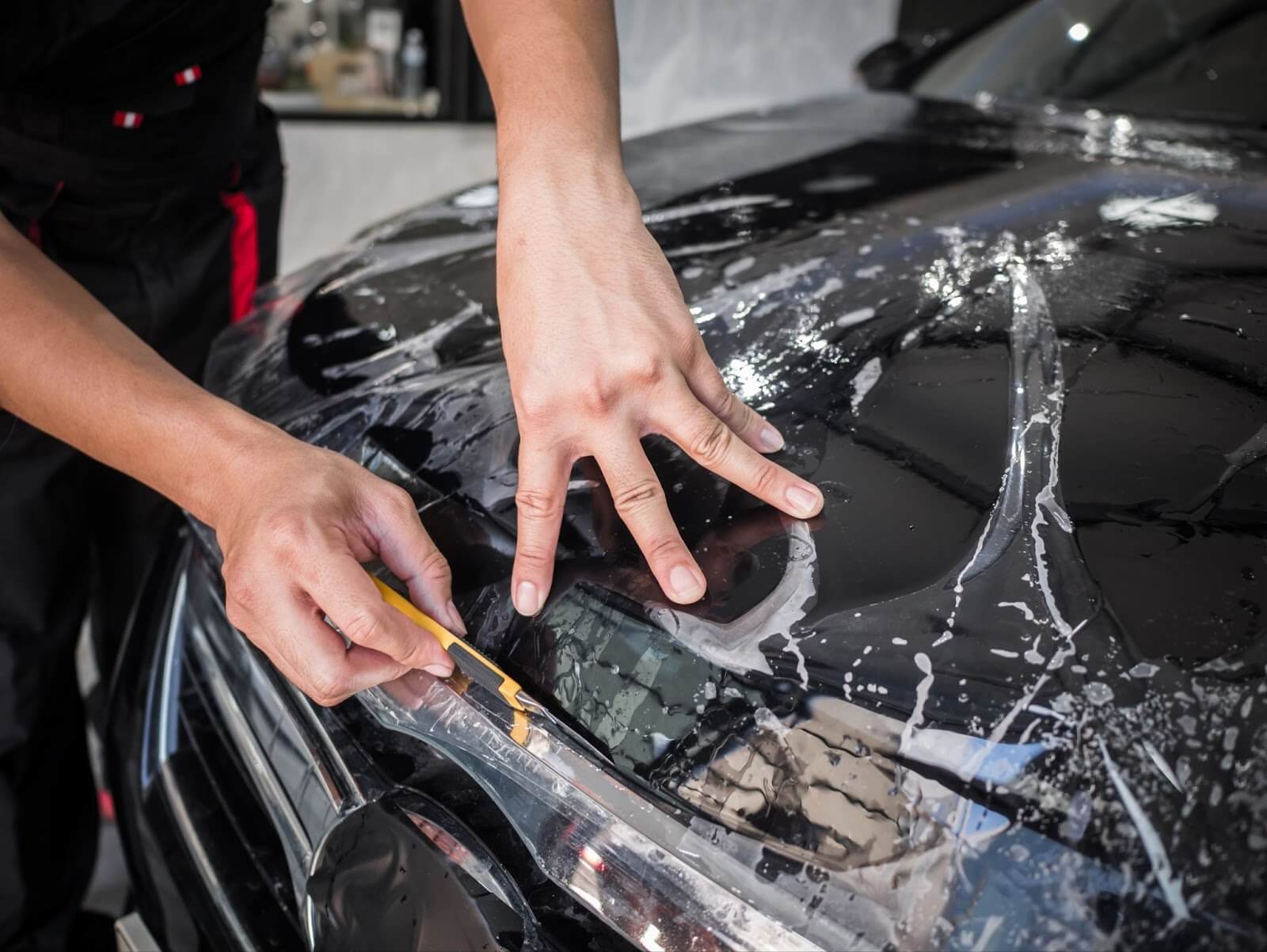
Before storm season: Apply protective coatings before storm season. Ceramic coatings provide superior hardness and scratch resistance compared to traditional wax, lasting up to 6 weeks. Quality car wax offers affordable protection when applied monthly during peak storm months.
During active storms: Park strategically to minimize exposure. Covered parking protects against both sand and UV rays. When unavailable, use breathable car covers designed for dusty conditions—avoid non-breathable covers that trap moisture.
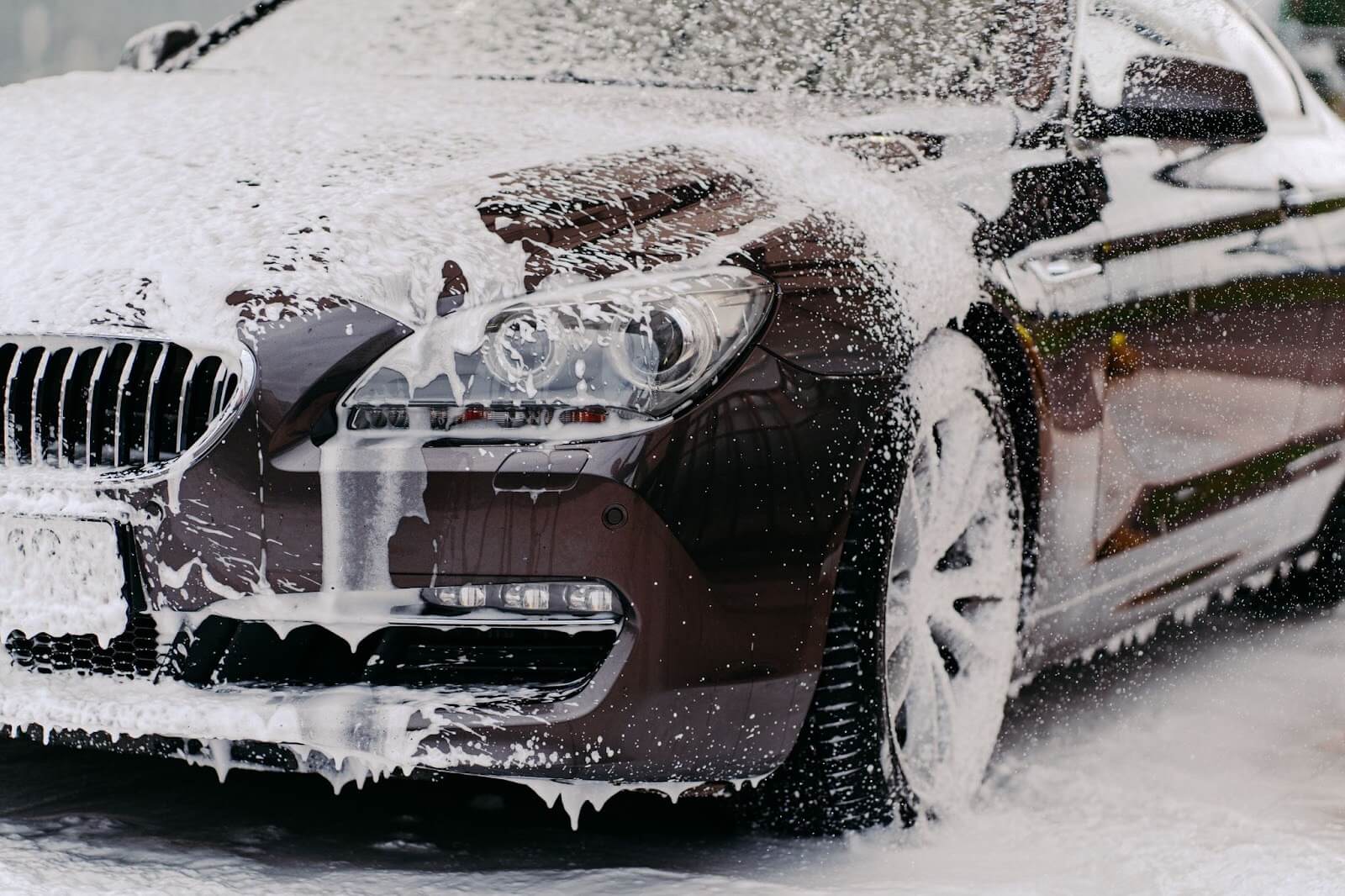
Within 24 hours after storms: Rinse with clean water first to remove loose sand before contact washing. Use microfiber mitts instead of sponges that trap sand particles. Wash top to bottom, rinsing frequently.
Maintain protective barriers year-round: Test water beading monthly—if water doesn't bead, protection has worn away. Reapply wax or schedule ceramic maintenance for continuous defense.
| Situation | What it means | What to do |
|---|---|---|
| Paint looks dull after washing | Clear coat damage from sand abrasion | Apply protective wax immediately; consider ceramic coating |
| Headlights appear hazy | UV coating stripped by sand particles | Replace headlights; polishing only removes more material |
| Engine sounds rough after storm | Sand in air filter restricting airflow | Replace air filter immediately; check intake system |
| AC blows weak despite service | Sand blocking condenser or cabin filter | Clean condenser fins; replace cabin filter |
| Windshield pits scatter light | Progressive sand damage to glass | Replace windshield; damage worsens with each storm |
What to do next
Inspect your vehicle after every sandstorm. Run your hand over the paint—smooth indicates good protection, rough means damage occurred.
Replace engine and cabin air filters if you drove during a storm. Sand accumulates quickly and restricts airflow within hours.
Schedule professional detailing if washing doesn't improve paint dullness. Early intervention prevents minor sand damage from becoming permanent oxidation.
Keep your car protected
Your car faces challenging conditions in Dubai. Regular protective maintenance, prompt post-storm cleaning, and quality coatings keep your vehicle looking new despite frequent sandstorm exposure.
Professional detailers understand local conditions and recommend appropriate protection levels. Investing in prevention costs significantly less than repairing damage or replacing components.
Need protection advice?
If your car shows sandstorm damage or you want to prevent future problems, professional assessment helps identify the best protection strategy for your situation.
Contact us to schedule an inspection and learn which coatings and maintenance intervals will keep your vehicle protected through Dubai's demanding climate.
Frequently asked questions