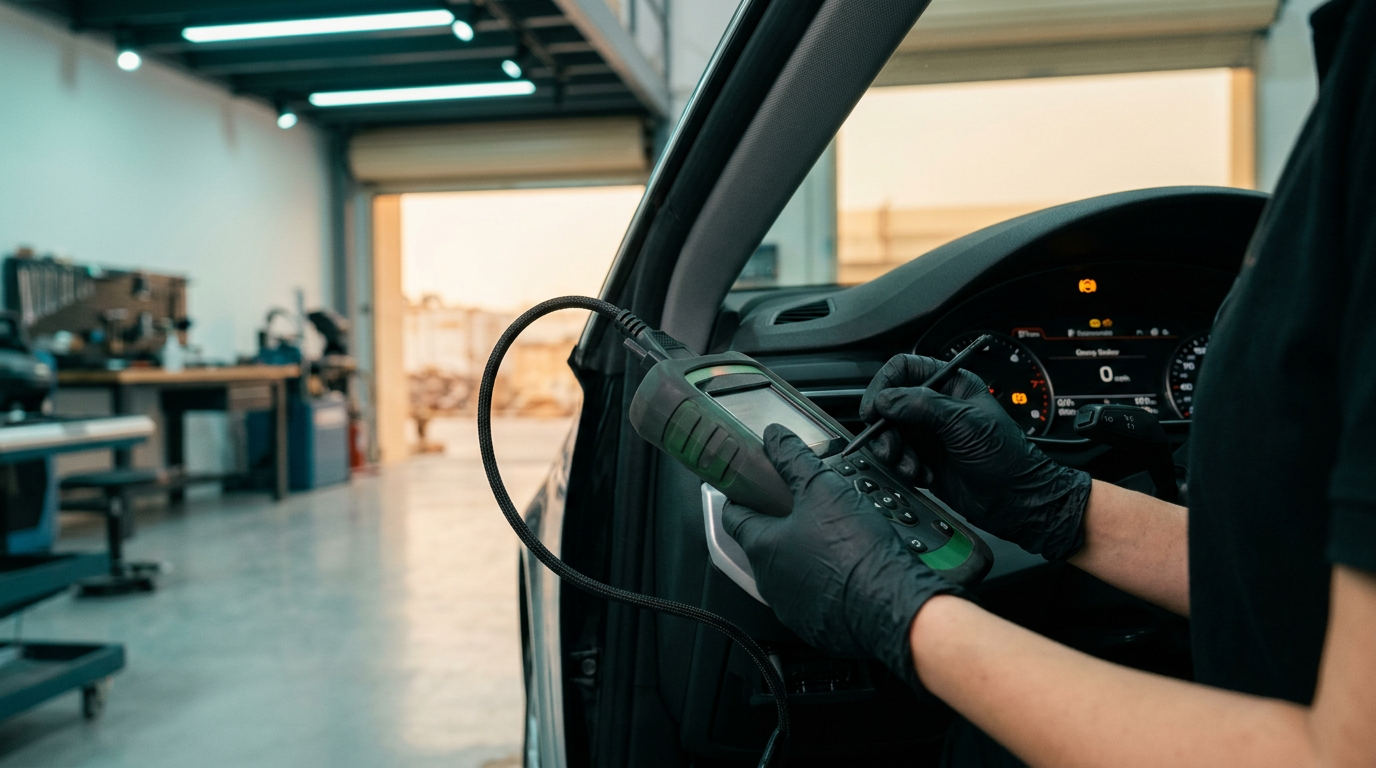

What Happens to an EV Battery After 8 Years?

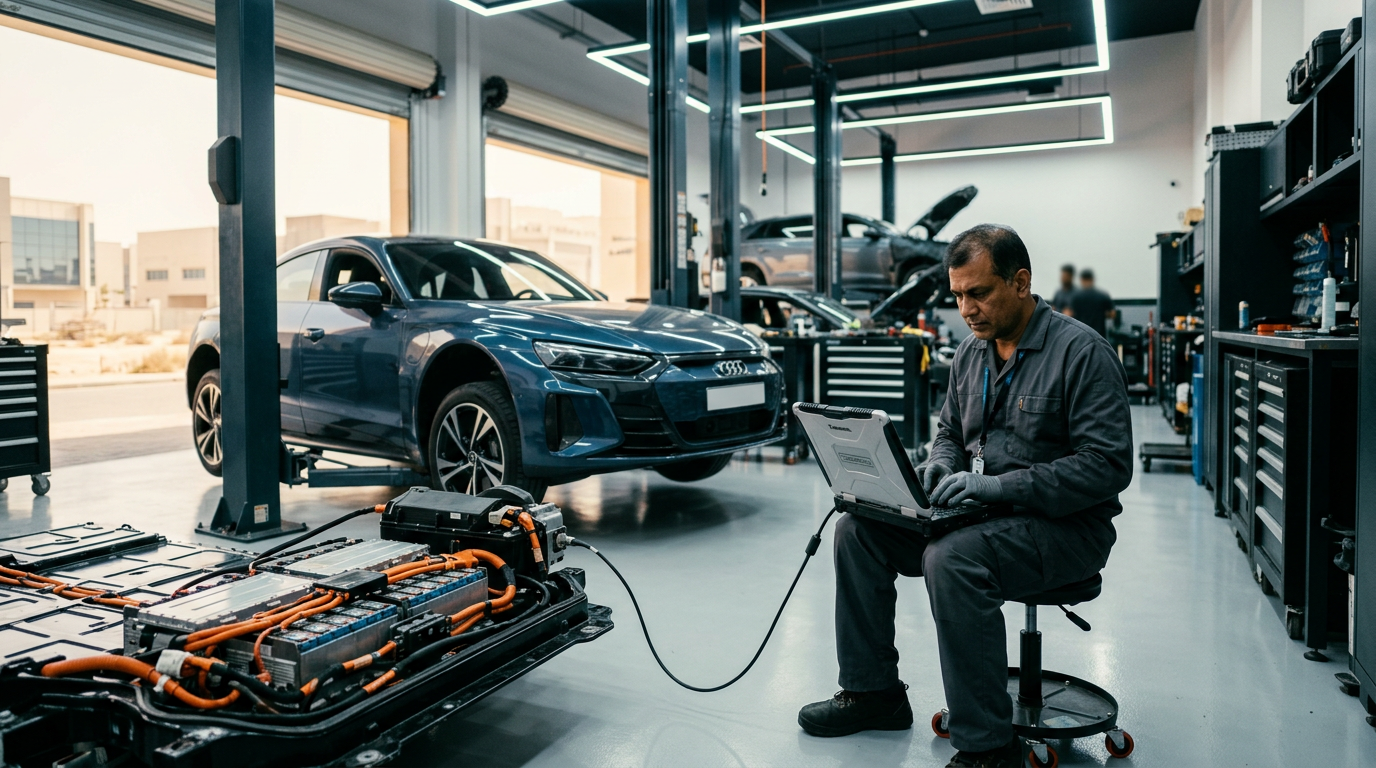
After 8 years, most electric vehicle batteries retain between 80% and 90% of their original capacity. Real-world data shows that modern lithium ion batteries degrade more slowly than early predictions suggested, with many EVs losing only 1-2% capacity per year under typical driving conditions. The actual degradation depends heavily on charging habits, climate exposure, and battery chemistry.
How Long Do EV Batteries Actually Last?
The average degradation rate for electric vehicle batteries sits around 2.3% per year across all models, according to large-scale studies tracking tens of thousands of vehicles. This means an EV with a new range of 400 km would typically offer around 320-360 km after eight years—still perfectly usable for daily driving.
Battery life extends well beyond the 8-year mark for most electric cars. Many manufacturers design lithium ion battery packs to last 15-20 years or 200,000-300,000 km before dropping below 70% capacity. Tesla models in particular show remarkably slow degradation, with some high-mileage vehicles in the U.S. and Canada retaining over 90% capacity after 250,000 km.
The chemistry matters significantly. LFP (lithium iron phosphate) batteries, increasingly common in entry-level EVs and some Tesla variants, typically degrade more slowly than nickel-based lithium ion batteries but offer lower energy density. Hyundai and other manufacturers are expanding LFP adoption precisely because of superior long term durability.
What Causes Battery Degradation Over Time?
Battery health declines through two mechanisms: calendar aging (time-based degradation even when parked) and cycle aging (wear from charge and discharge cycles). Both processes are accelerated by heat, making Dubai's climate particularly challenging for electric vehicle batteries.
High ambient temperatures—Dubai regularly hits 45-50°C in summer—stress battery chemistry at the molecular level. Lithium ion batteries perform optimally between 20-25°C. Every 10-degree increase above that roughly doubles the rate of capacity loss. Vehicles parked outdoors in direct sun experience even higher battery temperatures, sometimes exceeding 60°C inside the pack despite thermal management systems.
Key Factors Affecting EV Battery Lifespan
- Fast charging frequency: Regular DC fast charging above 50 kW generates more heat and accelerates degradation compared to slower AC charging at home
- Charge level habits: Keeping batteries consistently at 100% or draining to 0% stresses cells more than maintaining 20-80% range
- Depth of discharge: Shallow charge cycles (using 20-30% of capacity daily) cause less wear than deep cycles (80-90% daily use)
- Climate exposure: Vehicles garaged in climate-controlled environments degrade 20-30% slower than those parked outdoors in extreme heat
- Battery management systems: Modern software actively protects cells by limiting charge rates and balancing cell voltages, significantly extending life
- Driving style: Aggressive acceleration and high-speed driving generate more heat than smooth, moderate driving
Stop-start traffic common in Dubai actually stresses EV batteries less than traditional engines, since electric motors don't idle. However, short trips prevent battery management systems from properly balancing cells, which can affect long term health if that's the only driving pattern.
Real-World Battery Performance Data
Studies tracking actual electric vehicles show encouraging results. A 2023 analysis of over 15,000 EVs found that after 200,000 km, average battery capacity remained above 82%. Tesla vehicles consistently outperform this average, with Model S and Model X showing approximately 12% degradation after 320,000 km.
Degradation is not linear. Batteries typically lose 3-5% capacity in the first year as cells settle, then degradation slows to 1-2% annually for years 2-8. After that, the decline curve flattens further. This means an EV battery at 85% capacity after 8 years might still be at 75% after 15 years.
Heat does take its toll in hot climates. Data from vehicles in Arizona and similar environments shows degradation rates 15-25% higher than moderate climates. Dubai owners can expect similar patterns, particularly for vehicles without active liquid cooling for the battery pack. Many newer EVs from brands like Audi, BMW, and Mercedes-Benz now include sophisticated thermal management systems specifically to combat this.
Comparing EV Battery Life to Combustion Engines
Traditional petrol and diesel engines typically last 200,000-300,000 km before requiring major overhaul or replacement—similar to the useful life of electric vehicle batteries. The key difference is degradation pattern: engines either run or fail catastrophically, while batteries gradually lose capacity but continue functioning.
An 8-year-old combustion engine may need significant maintenance—timing belts, turbochargers, fuel system components—while an EV battery simply offers reduced range. Many owners find 80% of original range still adequate for daily needs, especially if the vehicle started with 400+ km capability.
Maintenance costs favour EVs substantially. While engine services and transmission services accumulate costs over time, electric vehicles require mainly brake services, tire services, and AC services. The battery itself needs no routine maintenance beyond software updates handled during general maintenance visits.
What Happens When EV Batteries Reach End of Life?
A battery no longer suitable for vehicle use—typically defined as below 70% capacity—still retains significant value and utility. Three pathways exist for end-of-life electric car batteries.
Second-life applications repurpose used EV batteries for stationary energy storage. A battery with 65% capacity can't power a car effectively but works perfectly for home solar storage or grid stabilisation. Companies worldwide are building large-scale energy storage facilities from retired electric vehicle batteries, extending total battery life to 25-30 years.
Recycling recovers valuable materials—lithium, cobalt, nickel, and manganese—for new battery production. Modern recycling processes recover 90-95% of these materials. As EV adoption grows, battery recycling is becoming a major industry, with facilities opening across Europe and the U.S. to handle the expected wave of batteries reaching end of life after 2030.
Battery replacements are possible but expensive. Typical costs range from AED 30,000 to AED 80,000 depending on capacity and vehicle model, though prices are declining as production scales. Many owners find that even with degraded batteries, the vehicle remains useful enough that replacement isn't economically justified until well past the 8-year mark.
Maximising Battery Health in Dubai's Climate
Dubai EV owners can take specific steps to slow degradation and extend battery life beyond typical expectations.
Park in covered or underground parking whenever possible. Even shade structures reduce battery temperature significantly compared to direct sun exposure. If outdoor parking is unavoidable, consider ceramic window tinting and reflective windscreen covers to reduce cabin heat that transfers to the battery pack.
Charge to 80% for daily use, reserving 100% charges only for long trips. Most EVs allow you to set a charge limit through the vehicle software. Similarly, avoid letting the battery drop below 20% regularly. The middle 60% of battery capacity experiences the least stress per charge cycle.
Minimise DC fast charging except when necessary for long journeys. While convenient, fast charging generates substantial heat. For daily charging at home or work, standard AC charging is gentler on battery health. If you must fast charge in Dubai's summer heat, do it in the evening or early morning when ambient temperatures are lower.
Precondition the battery when possible. Many EVs allow you to cool (or heat) the battery before driving or charging, which reduces stress. If your vehicle is plugged in, preconditioning draws power from the grid rather than the battery.
Keep up with software updates. Manufacturers continuously refine battery management systems based on fleet data. Updates often include improved charging algorithms and thermal management strategies that weren't available when the vehicle was new. Regular diagnostic services ensure your EV's software is current.
Monitor battery health through vehicle diagnostics. Most EVs display battery state of health in service menus or through manufacturer apps. Independent workshops with manufacturer-grade equipment can perform detailed battery services assessments to track degradation and identify any cells performing outside normal parameters.
Should Battery Age Affect Your EV Purchase Decision?
For new EV buyers, battery longevity should not be a major concern. Modern electric vehicle batteries are proving far more durable than early estimates suggested, and the technology continues improving with each model year. Brands like Tesla, Polestar, and Porsche are demonstrating that well-engineered battery packs easily outlast typical vehicle ownership periods.
When considering a used EV, battery health becomes more important. A pre-purchase inspection should always include a detailed battery assessment showing current capacity and cell balance. A 4-year-old EV with 92% battery health is a better buy than a 3-year-old with 85% health, even if the latter has lower mileage.
The 8-year mark represents roughly the midpoint of an EV battery's useful life, not the end. With proper care—particularly important in Dubai's challenging climate—most electric vehicle batteries will continue delivering acceptable range well into their second decade of service.
EV Battery Assessment in Al Quoz
JAD Garage in Al Quoz 4 offers comprehensive battery health diagnostics for all electric vehicles using manufacturer-grade equipment. Call +971 56 355 6113 to schedule a detailed assessment and get expert advice on maximising your EV's battery lifespan in Dubai's climate.
Frequently asked questions