
Bad Suspension Symptoms: Bouncing, Pulling and Uneven Tyre Wear

Bad suspension symptoms typically include excessive bouncing over bumps, the vehicle pulling to one side during driving, uneven or rapid tyre wear, clunking noises from underneath, and poor steering response. These signs indicate worn shock absorbers, damaged springs, or misaligned suspension components that compromise handling and safety.
Why Suspension Health Matters in Dubai
Your car suspension system does more than smooth out the ride. It keeps tyres in contact with the road, stabilises the vehicle during cornering and braking, and protects the chassis from impact damage. In Dubai's environment—where temperatures climb to 50°C, speed bumps appear frequently, and road surfaces vary from smooth tarmac to coarse patches—suspension components face constant stress.
Heat accelerates the breakdown of hydraulic fluid inside shock absorbers, reducing their damping ability. Stop-start traffic in areas like Sheikh Zayed Road and Jumeirah puts repetitive load on springs and control arms. Potholes and abrupt transitions between road surfaces can bend suspension parts or knock wheel alignment out of specification. Ignoring early warning signs leads to accelerated tyre wear, compromised braking distances, and a higher risk of losing control during emergency manoeuvres.
Common Bad Suspension Symptoms
Suspension damage rarely announces itself with a dashboard warning light. Instead, you'll notice changes in how the car feels and sounds. Here are the most reliable indicators:
Excessive Bouncing or Floating
When shock absorbers or struts wear out, they lose the ability to dampen spring oscillation. Drive over a speed bump or dip, and the car will bounce two or three times before settling. On motorways, the vehicle feels floaty, as if it's gliding rather than firmly planted. This symptom becomes dangerous at speed because the tyres spend less time in full contact with the road surface, reducing grip and extending braking distances.
Vehicle Pulling to One Side
If your car drifts left or right without steering input, suspension damage is a likely cause. A collapsed spring on one side lowers ride height and shifts weight distribution. Worn bushings in control arms allow the wheel to move out of alignment. A bent strut—often the result of hitting a deep pothole—changes the camber angle. While tyre pressure imbalances and brake caliper seizure can also cause pulling, suspension issues are among the most common culprits, especially after impact damage.
Uneven Tyre Wear Patterns
Suspension problems show up on your tyres long before you feel them through the steering wheel. Worn shock absorbers allow tyres to bounce and scuff, creating cupped or scalloped wear patterns around the circumference. Misaligned camber—caused by bent suspension components—wears the inside or outside edge of the tyre more rapidly than the centre. Toe misalignment, often from damaged tie rods or control arms, produces feathering: one side of each tread block wears more than the other. In Dubai's heat, where tyre rubber is already under thermal stress, these wear patterns accelerate quickly.
Clunking, Knocking or Rattling Noises
Healthy suspension components are mounted with rubber bushings that isolate vibration and allow controlled movement. When bushings tear or wear through, metal contacts metal. You'll hear clunks over bumps, knocking during direction changes, or rattles from the front or rear suspension when driving over uneven surfaces. These noises often worsen with temperature; rubber bushings harden in air-conditioned interiors and soften again in the heat, changing their damping characteristics throughout the day.
Difficult or Unresponsive Steering
Suspension and steering systems are mechanically linked. Worn ball joints, damaged tie rod ends, or a failing power steering rack all degrade steering feel. The wheel may feel loose with excessive play, or it might require more effort to turn at low speeds. Some drivers notice a delay between steering input and the car's response, or the steering wheel fails to self-centre after a corner. These symptoms overlap with power steering issues, but suspension damage is frequently the root cause, particularly if you've recently hit a kerb or pothole.
Nose-Diving During Braking
When you press the brake pedal, weight transfers to the front suspension. Healthy shocks and struts control this movement, keeping the car level. Worn front suspension components allow excessive nose-dive: the bonnet dips sharply, the rear lifts, and the car feels unstable. This not only affects comfort but also reduces braking efficiency, because the rear tyres lose contact pressure and contribute less stopping force.
What Causes Suspension Damage?
Understanding the causes helps you prevent future problems and diagnose current issues more accurately.
- Impact damage: Hitting potholes, speed bumps at speed, or kerbs bends control arms, damages springs, and knocks wheels out of alignment.
- Heat degradation: Temperatures above 45°C break down the hydraulic oil and seals inside shock absorbers, reducing their damping performance over time.
- Corrosion: Coastal humidity in areas near Jumeirah Beach and The Palm accelerates rust on steel suspension components, weakening mounting points and bushings.
- Wear from mileage: Bushings, ball joints, and shock absorbers have finite service lives. Most manufacturers recommend inspection every 40,000–60,000 km, with replacement intervals varying by driving conditions.
- Overloading: Exceeding the vehicle's gross weight rating—common with SUVs used for family trips with luggage—compresses springs beyond their design limit and accelerates wear.
- Neglected wheel alignment: Driving with misaligned wheels puts uneven stress on suspension parts, bending components that would otherwise last years longer.
How to Check for Suspension Problems Yourself
You don't need diagnostic equipment to spot many suspension issues. A few simple checks in your parking space can reveal damage before it becomes dangerous.
The bounce test: Push down firmly on each corner of the car and release. The car should return to ride height and settle without bouncing more than once. If it bounces twice or more, the shock absorber or strut at that corner is likely worn.
Visual inspection: Look under the car (safely, on level ground). Check for oil leaks on the shock absorber body—a sign of seal failure. Inspect rubber bushings for cracks or separation. Look at the springs for breaks or sagging. Compare ride height side-to-side; a noticeable difference suggests a collapsed spring or damaged mounting.
Tyre wear check: Run your hand across the tread surface. Smooth, even wear is healthy. Cupping, feathering, or excessive wear on one edge points to suspension or alignment problems. Refer to our guide on tyre replacement intervals in the UAE for context on normal versus abnormal wear rates.
Steering play test: With the engine off and wheels pointed straight, try to rock the steering wheel gently. More than a few centimetres of movement before the wheels begin to turn indicates wear in the steering rack, tie rods, or ball joints.
Test drive observations: Drive over a familiar speed bump at normal speed. Note any new noises, excessive bouncing, or changes in steering feel. On a straight, flat road with no traffic, briefly release the steering wheel (safely) and observe whether the car drifts left or right. Any pull suggests alignment or suspension issues, though tyre condition and brake health should also be checked.
When to Replace Suspension Components
Suspension parts don't all wear at the same rate. Shock absorbers and struts typically need replacement every 60,000–100,000 km, depending on driving conditions and vehicle weight. In Dubai's heat and with frequent short trips, expect the lower end of that range. Springs last longer—often 150,000 km or more—but can sag or break after impact damage. Bushings, ball joints, and tie rod ends wear faster on vehicles used for heavy loads or rough roads; inspect them every major service.
Replace suspension components when you notice the symptoms described above, or during routine inspection if a technician identifies wear beyond safe limits. Don't wait for catastrophic failure. A broken spring or separated ball joint can cause sudden loss of control. If you're preparing for RTA registration renewal, a pre-purchase inspection or thorough check will identify suspension issues before they fail the test.
When replacing parts, address both sides of an axle even if only one side shows symptoms. Suspension components wear in pairs, and mismatched damping or spring rates cause handling imbalance. Use OEM or premium aftermarket parts that meet original specifications; budget components often fail prematurely in Dubai's climate.
Diagnosing Suspension Issues Professionally
While home checks reveal obvious problems, many suspension issues require workshop equipment to diagnose accurately. A proper suspension inspection includes:
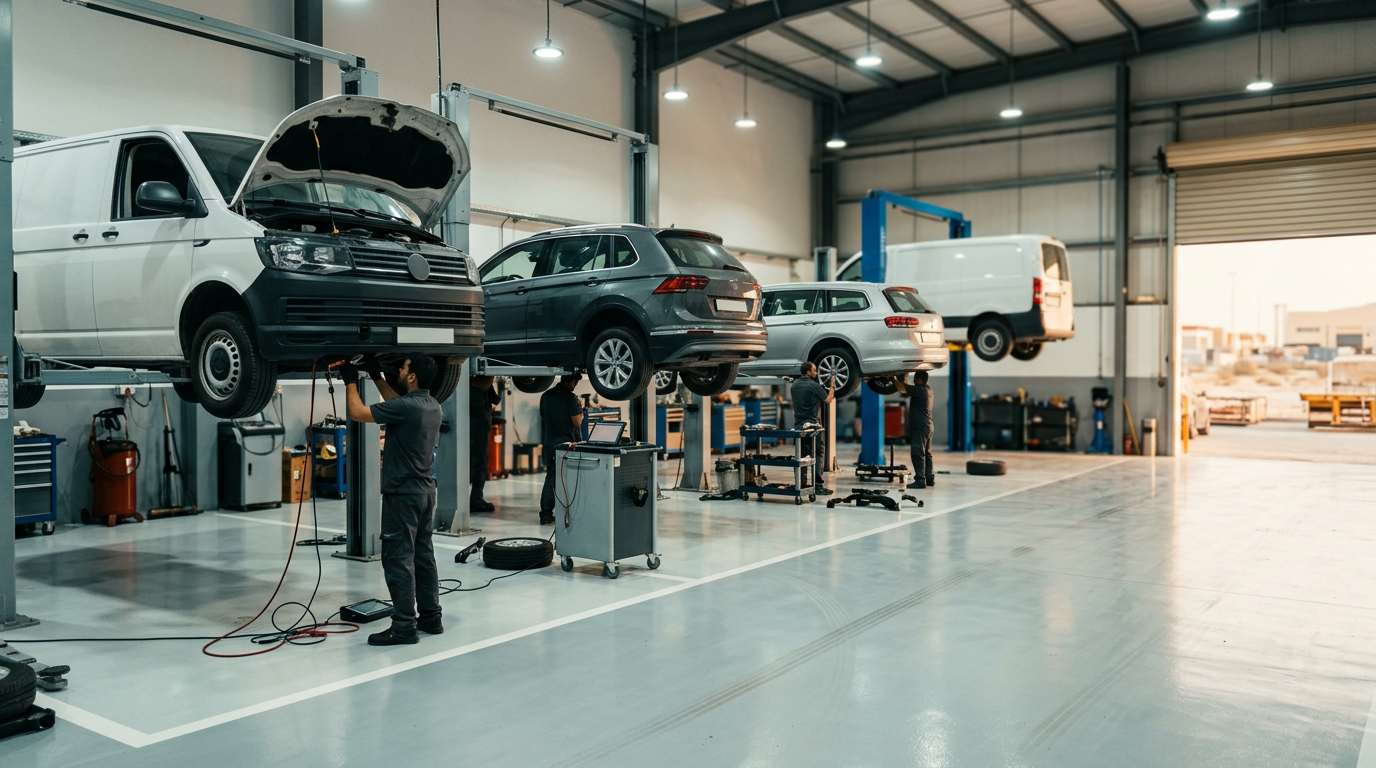
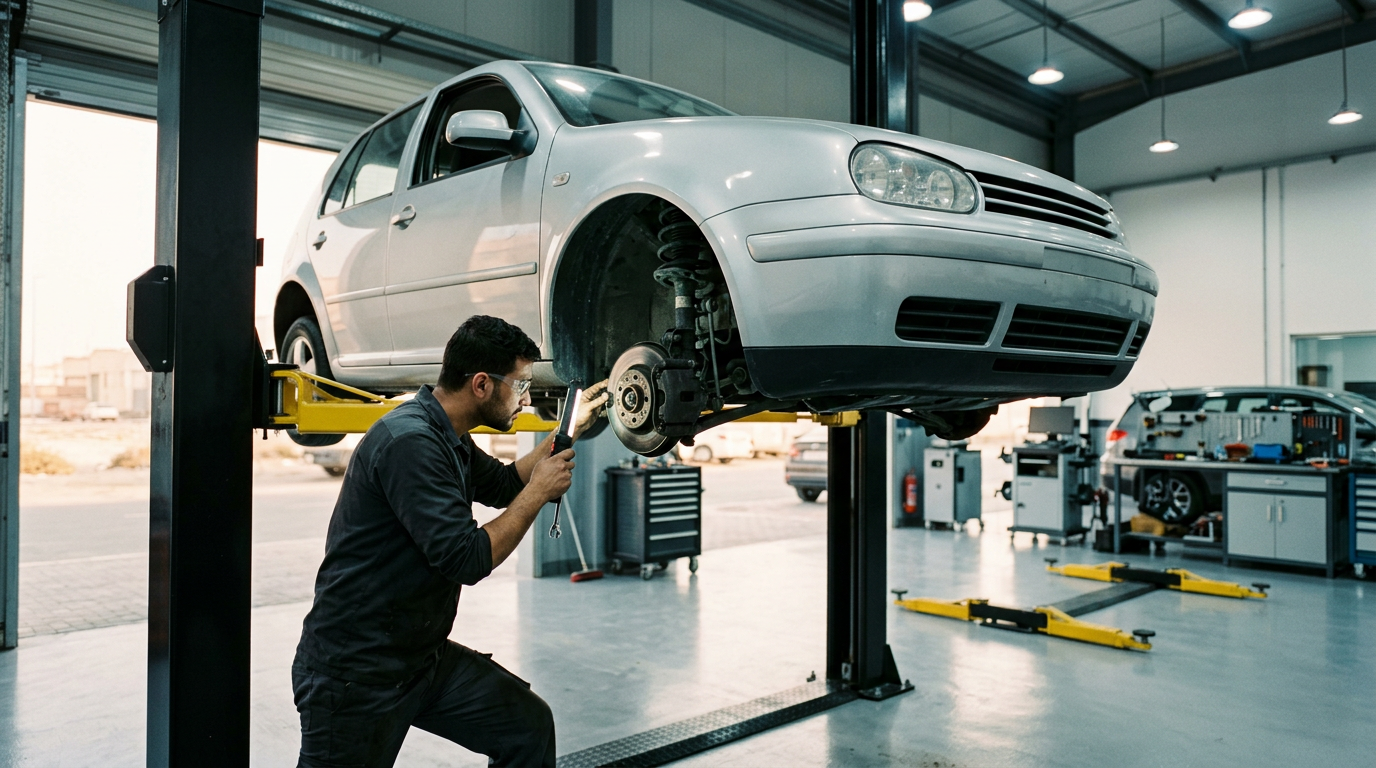
- Lifting the vehicle on a four-post ramp to check for play in ball joints, tie rods, and control arm bushings under load.
- Measuring wheel alignment with laser or optical equipment to identify camber, caster, and toe deviations from manufacturer specifications.
- Inspecting shock absorbers and struts for oil leaks, body damage, and mounting wear.
- Checking spring condition, ride height, and comparing measurements side-to-side and front-to-rear.
- Road-testing the vehicle to reproduce symptoms and correlate them with measured wear.
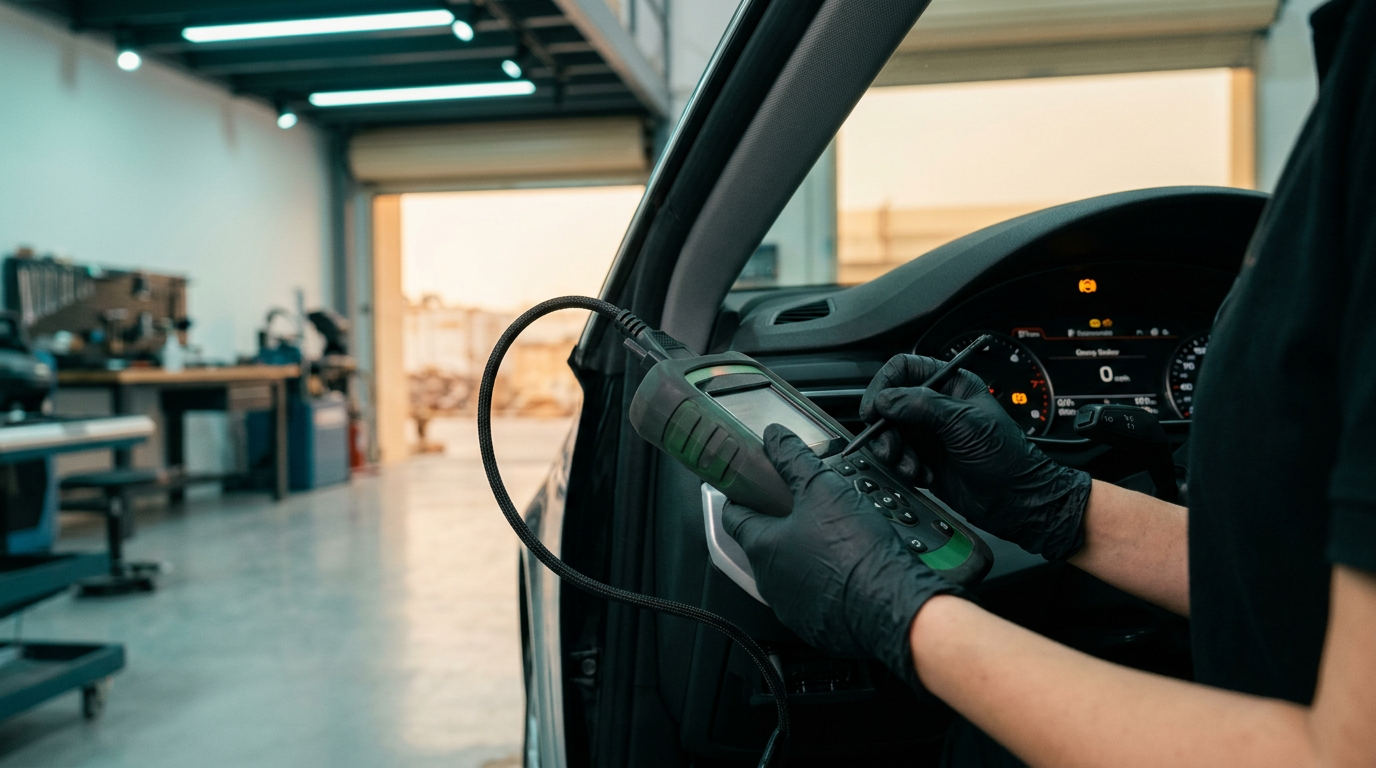
Modern European and electric vehicles often feature adaptive or electronic suspension systems. Diagnosing these requires manufacturer-grade diagnostic tools to read fault codes, monitor sensor data, and test actuator response. A workshop with diagnostic capabilities can pinpoint failures in air suspension compressors, ride-height sensors, or damping control modules that would otherwise be invisible.
Suspension Maintenance and Prevention
Preventive care extends suspension life and avoids costly repairs. Have wheel alignment checked every 20,000 km or after any significant impact. Rotate tyres according to the manufacturer's schedule to ensure even wear and reduce stress on suspension components. Avoid overloading the vehicle, especially on long highway trips or desert drives where sustained load accelerates spring fatigue.
Inspect suspension components during every major service. Catching a worn bushing or leaking shock absorber early prevents secondary damage to other parts. If you frequently drive on rough roads or in areas with poor surface quality, shorten inspection intervals. For vehicles used in fleet applications or corporate fleets, standardised inspection schedules reduce downtime and improve safety across the entire vehicle pool.
High-performance and luxury vehicles often have more complex suspension systems with active damping, air springs, or multi-link designs. These require specialist knowledge and equipment; refer to marque-specific service guidance for BMW, Mercedes-Benz, Audi, Porsche, and other European brands to ensure correct maintenance procedures.
Suspension and Steering Services in Al Quoz
If you've noticed any bad suspension symptoms—bouncing, pulling to one side, uneven tyre wear, or steering issues—a thorough inspection will identify the cause and prevent further damage. Addressing suspension problems early protects your tyres, improves safety, and maintains the driving experience your vehicle was designed to deliver.
Suspension Inspection and Repair in Al Quoz
If your car shows signs of suspension damage—bouncing, pulling, or uneven tyre wear—bring it to JAD Garage in Al Quoz 4 for a thorough inspection using manufacturer-grade diagnostic equipment. Call +971 56 355 6113 to book your appointment.
Frequently asked questions