Can You Change a Car Battery Yourself in a Modern European Car?


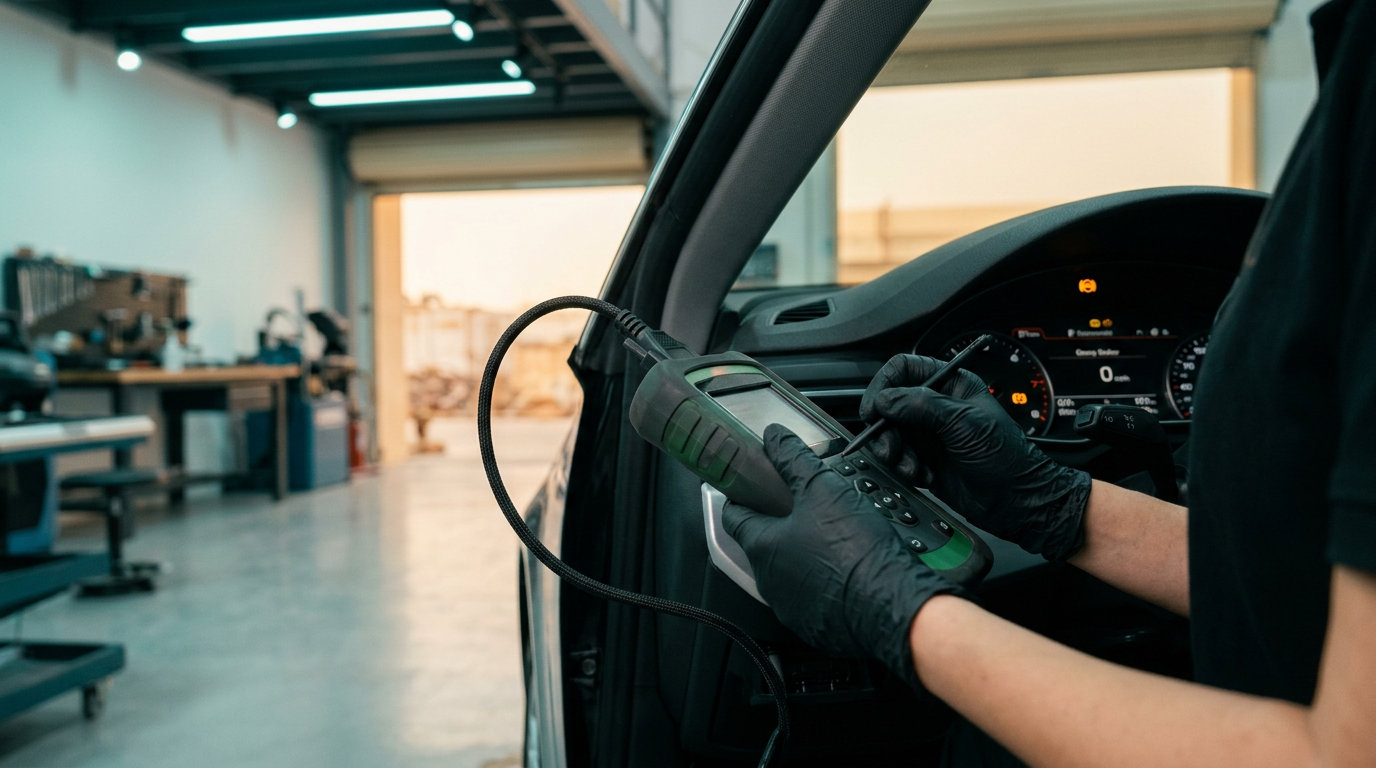
In older vehicles, changing a car battery was straightforward: disconnect the terminals, swap the battery, and start the engine. In most modern European cars—especially those built after 2010—the answer is more nuanced. While physically removing and installing a replacement battery is still possible, many vehicles require electronic registration and coding via diagnostic equipment to prevent electrical faults, limp mode, or battery management errors. For simpler models without start-stop systems, a careful DIY approach can work; for complex vehicles, professional service is essential.
Why Modern European Cars Are Different
European manufacturers introduced sophisticated battery management systems over the past 15 years to optimize fuel economy, support start-stop technology, and manage the growing number of electronic control units. When you replace car battery in a BMW, Audi, Mercedes-Benz, Volkswagen, or Volvo, the vehicle's ECU monitors battery health, age, and charge state to adjust alternator output and energy distribution.
If you fit a new battery without registering it, the system continues to treat it as the old, degraded unit. The alternator may overcharge or undercharge, shortening battery life or triggering a check engine light. In vehicles with start-stop, the system may refuse to activate, or you'll see a warning on the dashboard. Registration tells the car to reset its learning parameters and recognize the fresh battery's full capacity.
When You Can Change a Car Battery Yourself
DIY car battery replacement remains viable in certain scenarios:
- Older vehicles without start-stop: European cars built before 2008–2010 typically lack advanced battery management. A straightforward swap with basic tools is often sufficient.
- Non-premium brands: Some Fiat, Renault, Peugeot, and Citroën models from the mid-2000s use simpler electrical architectures that don't require coding.
- Emergency jump-start replacement: If you have a dead battery and need to get the vehicle to a workshop, installing a replacement to restore mobility is possible—but plan for professional registration soon after.
- You own diagnostic equipment: If you have access to a manufacturer-grade scan tool with battery registration functions, you can complete the process yourself.
Even in these cases, disconnecting the battery erases radio presets, clock settings, and sometimes window calibration. Some vehicles require a steering angle sensor reset or throttle body adaptation after power loss.
When Professional Service Is Essential
Modern European cars with start-stop, regenerative braking, or complex electronics demand professional battery services:
- All BMW, Audi, Mercedes-Benz, Porsche from 2010 onward: Battery registration is mandatory. Without it, you'll see warning lights, reduced fuel economy, and premature battery failure.
- Vehicles with AGM or EFB batteries: Enhanced Flooded Battery (EFB) and Absorbent Glass Mat (AGM) batteries are fitted to start-stop cars. The ECU must be told which type is installed to adjust charging profiles.
- Hybrid and electric vehicles: EVs and hybrids have high-voltage traction batteries plus a conventional 12V battery. Replacing the 12V unit often requires specific procedures to safely power down the high-voltage system and recalibrate modules.
- Vehicles under extended service plans: If you're maintaining a detailed service history for resale or warranty purposes, professional documentation is critical.
In Dubai's heat—where cabin temperatures reach 50°C in summer—battery stress is extreme. A poorly registered battery can fail within months, making professional service a cost-effective choice.
Tools and Safety Precautions for DIY Replacement
If your vehicle qualifies for DIY battery replacement, you'll need:
- 10 mm or 13 mm socket or spanner (terminal clamp sizes vary)
- Battery terminal brush or wire brush
- Anti-corrosion spray or grease
- Insulated gloves and safety glasses
- Memory saver device (optional, to preserve radio and ECU settings)
Always disconnect the negative terminal first to prevent short circuits. When installing the new battery, connect positive first, then negative. Ensure terminal clamps are tight—loose connections cause voltage drops and starting problems. Apply anti corrosion compound to the terminals to resist Dubai's humidity and fine sand ingress.
Work in a shaded area if possible; batteries can vent hydrogen gas, which is flammable. Never smoke or use open flames near a battery. If you notice swelling, cracks, or leaking electrolyte, do not attempt to handle the battery yourself—contact a professional.
Warning Signs That Indicate Battery Replacement
Recognizing when to replace car battery can prevent a roadside breakdown:
- Slow engine crank: The starter motor turns sluggishly, especially on hot mornings after the car has sat overnight.
- Dashboard warning lights: Battery or charging system symbols illuminate. In some cars, you'll see a specific "Battery Registration Required" message after a DIY swap.
- Electrical glitches: Flickering interior lights, unresponsive infotainment, or power window delays often point to low battery voltage.
- Age over three years: In Dubai's climate, most conventional lead-acid batteries last 2.5–4 years. AGM batteries in start-stop cars may reach 4–5 years with proper charging.
- Corrosion at terminals: White or blue-green deposits indicate leaking electrolyte or poor connections, both of which accelerate battery degradation.
Professional diagnostic services include battery testing with a load tester, which measures cold-cranking amps and state of health. This data helps you decide whether to replace now or monitor for another season.
Choosing the Right Replacement Battery
Not all batteries are interchangeable. Check your owner's manual or the label on the existing battery for:
- Battery type: Conventional flooded, EFB, or AGM. Never downgrade from AGM to flooded in a start-stop vehicle.
- Capacity (Ah): Ampere-hour rating must match or exceed the original specification.
- Cold-cranking amps (CCA): Higher CCA helps in rare cold snaps, but in Dubai, reserve capacity and heat tolerance matter more.
- Physical dimensions: Length, width, height, and terminal orientation must fit the battery tray and cable reach.
OEM batteries from manufacturers like Varta, Bosch, and Exide are engineered to exact vehicle specifications. Premium aftermarket brands offer similar performance at competitive prices. Avoid no-name imports with suspiciously low ratings—they rarely survive Dubai's summer.
Cost Breakdown: DIY vs Professional Battery Replacement
Understanding typical market costs helps you weigh convenience against savings. The table below shows common price ranges across Dubai workshops and parts suppliers, broken down by component and labour. These are market ranges, not specific to any single provider.
| Item | DIY Cost (AED) | Professional Service Cost (AED) |
|---|---|---|
| Conventional battery (60–70 Ah) | 250–450 | 300–500 |
| AGM/EFB battery (70–90 Ah) | 500–900 | 550–950 |
| Labour (removal, installation, cleaning) | 0 | 100–200 |
| Battery registration & coding | 0 (or cost of tool access) | 150–300 |
| Anti-corrosion treatment & disposal | 20–50 | Included |
| Total (conventional, no coding) | 270–500 | 400–700 |
| Total (AGM, with coding) | 520–950 | 800–1,450 |
Factors that move a quote toward the higher end include:
- Larger battery capacity for SUVs or performance models
- Premium AGM batteries with extended warranties
- Complex access (battery under seat or in boot, requiring trim removal)
- Additional electrical system diagnostics if warning lights persist
- Mobile call-out service for on-site replacement
DIY savings are modest for simple swaps but evaporate if you lack the diagnostic tool for registration. Professional service includes proper disposal of the old battery—a legal requirement in the UAE—and often a workmanship guarantee.
Common Issues and Troubleshooting After Replacement
Even after a successful battery change, you may encounter:
- Radio and clock reset: Expected. Re-enter your radio code (check the owner's manual or glovebox sticker) and reset the clock.
- Window auto-up/down lost: Many European cars require a window re-learn procedure: hold the switch fully down for two seconds, then fully up for two seconds, with the door open.
- Steering angle sensor warning: Drive straight for a few hundred metres; the system usually self-calibrates. If the light persists, professional diagnostic services can reset it.
- Start-stop not working: If you didn't register the battery, the system may disable start-stop to protect the new battery from over-discharge.
- Check engine light: Some vehicles log a fault code when power is interrupted. A scan tool can clear non-critical codes; persistent warnings need investigation.
If you experience rough idling, poor throttle response, or transmission shift issues after battery replacement, the ECU may need to relearn idle and fuel trim parameters. A short drive—15–20 minutes combining city and highway speeds—usually resolves this.
Battery Maintenance to Extend Lifespan in Dubai
Once you've installed a replacement battery, prolong its life with these practices:
- Avoid short trips: Frequent 5-minute journeys prevent full recharge. Combine errands or take a longer drive weekly.
- Park in shade: Under-bonnet temperatures above 60°C accelerate electrolyte evaporation and plate corrosion.
- Check terminals quarterly: Clean any corrosion with a wire brush and apply anti-corrosion spray.
- Test voltage annually: A healthy battery at rest shows 12.6–12.8 V. Below 12.4 V indicates partial discharge; below 12.0 V requires immediate charging.
- Use a trickle charger: If the vehicle sits unused for more than two weeks, connect a smart charger to maintain optimal charge without overcharging.
Regular general maintenance visits include battery testing as part of a multi-point inspection, catching issues before they strand you in Al Quoz traffic or on Sheikh Zayed Road.
Professional Battery Services: What to Expect
When you book battery services at an independent specialist, the process typically includes:
- Load test and voltage check of the existing battery
- Confirmation of correct replacement type (flooded, EFB, AGM) from vehicle records
- Safe removal, with memory saver device if appropriate
- Terminal and tray cleaning, corrosion treatment
- Installation of the new battery with correct torque on clamps
- Electronic registration and coding via manufacturer-grade diagnostic equipment
- Verification of charging system output (alternator test)
- Disposal of the old battery in compliance with UAE environmental regulations
The entire service takes 30–60 minutes for most vehicles. Complex installations—such as batteries located under rear seats in some BMW models or in the boot of a Porsche—may require additional time for trim removal and reinstallation.
Workshops with experience in European marques understand the nuances of each brand's battery management. For example, Audi and Volkswagen Group vehicles use similar coding procedures, while Mercedes-Benz systems require specific adaptation steps for start-stop calibration.
Finding the Right Service Provider in Dubai
When choosing where to replace car battery, consider:
- Diagnostic capability: Confirm the workshop has manufacturer-grade scan tools, not generic OBD readers. Battery registration is impossible without the correct software.
- Parts sourcing: Ask whether they stock OEM or equivalent-quality batteries. Verify warranty terms—reputable suppliers offer 12–24 months coverage.
- Transparent pricing: Request a breakdown of battery cost, labour, and coding fees before work begins.
- Experience with your brand: European marques have different procedures. A luxury car service specialist will be familiar with the quirks of your Audi, BMW, or Volvo.
- Location and hours: Workshops in Al Quoz industrial area offer convenient access from both sides of Sheikh Zayed Road, with extended hours to fit your schedule.
Independent specialists often provide the same diagnostic and coding services as main dealers, using identical equipment and OEM-equivalent parts, but with more flexible pricing and faster turnaround.
Related reading: Paintless Dent Removal in the UAE: What It Can and Can't Fix.
Battery Replacement with Full Registration in Al Quoz
JAD Garage in Al Quoz 4 offers complete battery services for all European marques, including diagnostic testing, OEM-quality replacement batteries, electronic registration, and charging system verification. Call +971 56 355 6113 or visit Warehouse No.1, Street 8 to book your service.
Frequently asked questions