
Car Overheating in Dubai Summer: Causes and Emergency Steps

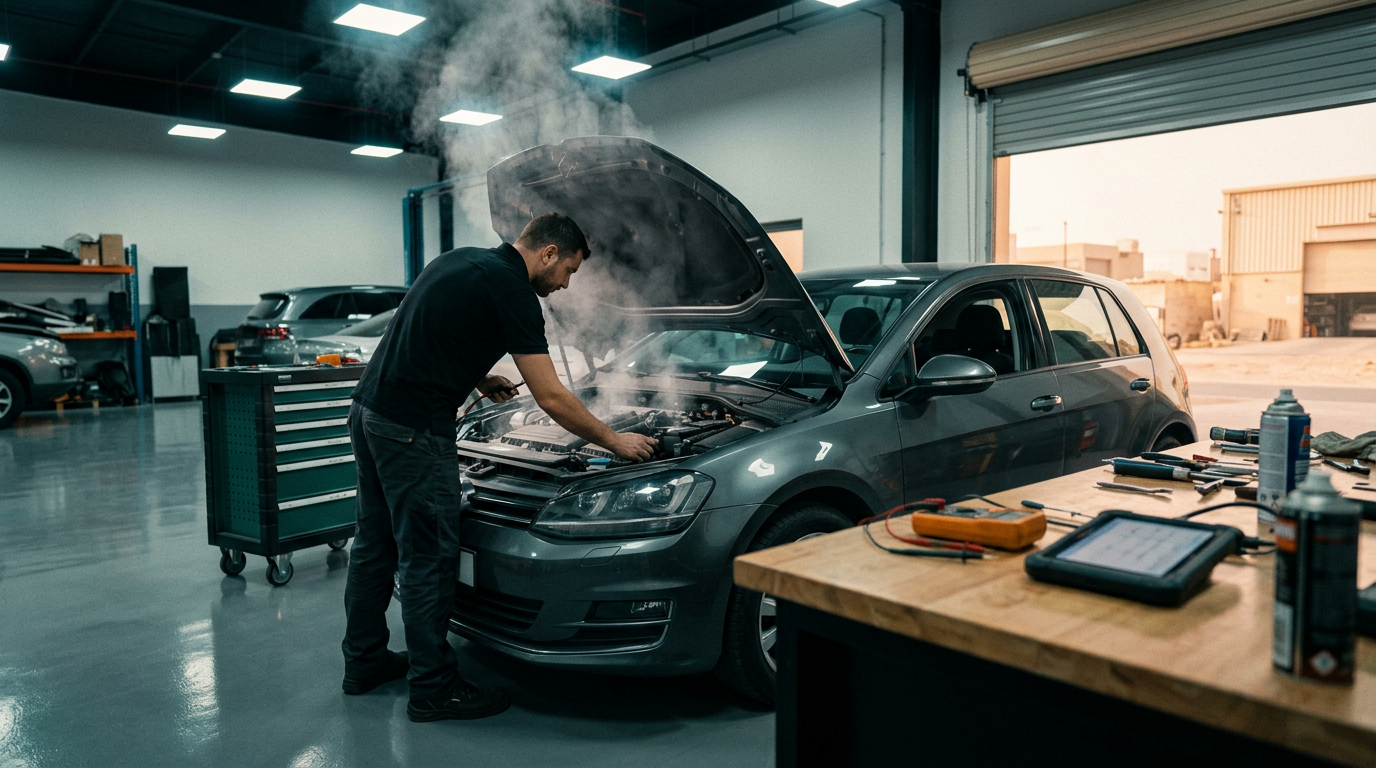
Car overheating in Dubai is a common problem during summer months when ambient temperatures reach 50°C and tarmac surfaces exceed 70°C. The primary causes include low coolant levels, radiator blockages, thermostat failure, water pump wear, and cooling fan malfunctions. If your temperature gauge climbs into the red zone, pull over immediately, turn off the engine, and allow at least 30 minutes for cooling before checking coolant levels or calling for assistance.
Why Dubai's Climate Accelerates Overheating
European vehicles are engineered to operate in temperate climates where summer peaks rarely exceed 35°C. Dubai's relentless heat places extraordinary stress on every component of the cooling system. When outside air temperature approaches or exceeds engine operating temperature, the radiator's ability to dissipate heat diminishes sharply.
Stop-start traffic on Sheikh Zayed Road and congested areas like Deira and Bur Dubai compound the problem. At idle or low speeds, airflow through the radiator drops dramatically, forcing the cooling fan to work continuously. Fine desert sand infiltrates the radiator fins, reducing cooling efficiency by up to 30% over time. High humidity in coastal areas can also affect coolant chemistry and accelerate corrosion inside the system.
Short city trips prevent the engine from reaching optimal temperature cycles, leading to condensation in the oil and coolant, which degrades protective additives. Over months, this creates sludge that restricts coolant flow through narrow passages in the engine block and radiator.
Common Causes of Engine Overheating
Low Coolant Levels
The most frequent cause of engine overheating is simply insufficient coolant. Small leaks from hose connections, the water pump gasket, or radiator seams allow coolant to evaporate rapidly in Dubai heat. A system that loses even 10% of its coolant capacity can overheat under load. Coolant should be checked monthly when the engine is cold; the reservoir level should sit between the minimum and maximum marks.
Radiator Blockages and Damage
External blockages from sand, plastic bags, and debris are visible from the front grille. Internal blockages are more insidious: corrosion, scale buildup, and decomposed coolant create restrictions inside the radiator tubes. A radiator that's more than eight years old or has never been flushed often loses 40-50% of its original cooling capacity. Physical damage from minor front-end impacts can also bend fins and reduce airflow.
Thermostat Failure
The thermostat regulates coolant flow between the engine and radiator. When it fails in the closed position, coolant cannot circulate to the radiator, causing rapid overheating. When it sticks open, the engine runs too cool, which sounds benign but increases fuel consumption and engine wear. Thermostats typically fail between 80,000 and 120,000 km, though Dubai heat can shorten this interval.
Water Pump Wear
The water pump circulates coolant through the engine block, cylinder head, and radiator. Bearing wear, impeller corrosion, or seal failure reduce flow rate. Many European cars use plastic impellers that can crack or lose vanes after years of thermal cycling. A failing water pump often produces a whining noise or visible coolant leaks from the weep hole. Replacement is typically recommended every 100,000 km or when the timing belt is changed, whichever comes first.
Cooling Fan Malfunction
Electric cooling fans should activate when coolant temperature reaches approximately 95-100°C. Sensor failures, relay problems, or motor burnout prevent the fan from running. In traffic or at idle, this causes immediate overheating. You can test the fan by running the air conditioning at maximum; the fan should engage within seconds. If it doesn't, diagnostic services can pinpoint whether the issue is electrical or mechanical.
Head Gasket Failure
A blown head gasket allows combustion gases to enter the cooling system, creating air pockets that prevent coolant circulation. Symptoms include white smoke from the exhaust, bubbles in the coolant reservoir, and a sweet smell from the exhaust. This is a serious failure that requires immediate attention to avoid engine overhaul or replacement.
Warning Signs Your Car Is Overheating
Modern vehicles provide several indicators before catastrophic damage occurs:
- Temperature gauge in the red zone: The most obvious sign; normal operating temperature sits around the midpoint.
- Dashboard warning light: A red thermometer or "TEMP" light indicates immediate action is required.
- Steam or smoke from the bonnet: Visible vapor means coolant is boiling and escaping; stop immediately.
- Sweet smell: Ethylene glycol coolant has a distinctive sweet odor when it leaks or boils.
- Reduced engine power: Many cars enter a protective "limp mode" to prevent damage, limiting speed and acceleration.
- Heater blowing cold air: If the heater stops working, coolant may not be circulating.
- Ticking or knocking sounds: Metal components expanding unevenly or oil breaking down under extreme heat.
Emergency Steps When Your Engine Overheats
If you notice overheating symptoms while driving, follow these steps to minimize damage:
1. Turn off the air conditioning immediately. The AC system adds significant heat load to the engine. Switch it off and set the climate control to fresh air or open the windows.
2. Turn the heater to maximum. Counterintuitive, but the heater core acts as a secondary radiator, drawing heat away from the engine. Set the fan to high and temperature to maximum, even though the cabin will become uncomfortable.
3. Pull over safely as soon as possible. Find a safe location away from traffic. If you're on a highway, use the hard shoulder or exit at the next slip road. Do not attempt to reach your destination.
4. Turn off the engine and open the bonnet. Allow air to circulate around the engine bay. Do not open the radiator cap or coolant reservoir while the system is hot; pressurized coolant can cause severe burns. Wait at least 30 minutes for the engine to cool.
5. Check coolant levels once cool. If the reservoir is empty or very low, you can add water as a temporary measure to reach a car repair facility. Use bottled water if available; tap water in Dubai has high mineral content that can accelerate corrosion.
6. Restart cautiously. If you've added coolant and the engine has cooled, you may attempt to drive to the nearest garage at low speed, monitoring the temperature gauge constantly. If it climbs again, stop immediately.
7. Call for recovery if necessary. If coolant is completely gone, you see oil in the coolant, or the car won't start, do not attempt to drive. Recovery services in Dubai can transport your vehicle safely.
Preventing Overheating in Dubai Summer
Regular maintenance is the most effective prevention strategy:
- Coolant flush every two years: Fresh coolant maintains proper pH and corrosion inhibitors. Old coolant becomes acidic and attacks aluminum components common in European engines.
- Radiator inspection and cleaning: External cleaning removes sand and debris; internal flushing removes scale. This should be part of general maintenance annually.
- Thermostat replacement: Consider replacing the thermostat preventively at 100,000 km or if the car is over seven years old.
- Hose and clamp inspection: Rubber hoses degrade faster in heat. Look for cracks, soft spots, or bulges every six months.
- Cooling fan test: Have the fan operation tested during routine service to catch electrical issues early.
- Oil changes on schedule: Engine oil also helps cool internal components. Degraded oil increases operating temperature.
- Pre-summer inspection: Before May, have the entire cooling system pressure-tested to identify weak points.
For electric vehicle owners, battery thermal management systems also require attention. High ambient temperatures accelerate EV battery degradation, and cooling system failures can limit charging speed and range.
Typical Repair Costs in Dubai
Cooling system repairs vary widely depending on the specific failure and vehicle type. Typical market ranges in Dubai include:
| Repair Type | Typical Range (AED) |
|---|---|
| Coolant flush and refill | 150 - 350 |
| Thermostat replacement | 300 - 700 |
| Water pump replacement | 800 - 2,200 |
| Radiator replacement | 900 - 2,800 |
| Cooling fan motor | 600 - 1,500 |
| Radiator hoses (set) | 400 - 900 |
| Head gasket replacement | 3,500 - 8,000 |
Luxury and performance vehicles from brands like Porsche, BMW, and Mercedes-Benz typically sit at the higher end due to complex engine bay layouts and the need for manufacturer-grade diagnostic equipment. French brands like Peugeot, Citroën, and Renault often require specialist knowledge for cooling system work.
When to Seek Professional Help
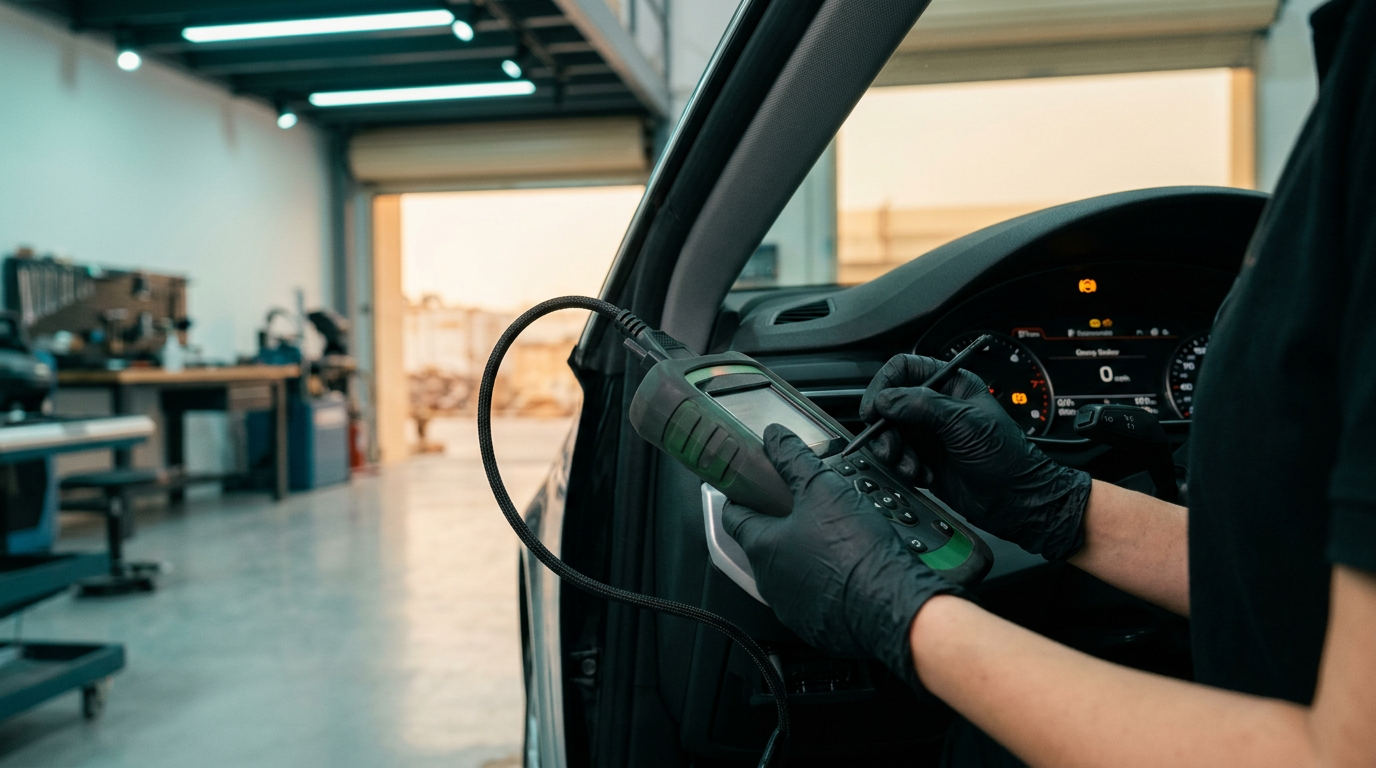
While topping up coolant is straightforward, diagnosing the root cause of overheating requires proper equipment. Pressure testing identifies leaks invisible to the naked eye. Infrared temperature measurement pinpoints blockages. Exhaust gas analysis detects head gasket failure before catastrophic damage occurs.
If your car has overheated once, it will likely overheat again unless the underlying issue is resolved. Repeated overheating causes cumulative damage: warped cylinder heads, damaged piston rings, and degraded gaskets. What might have been a 400 AED thermostat replacement can escalate to a 15,000 AED engine rebuild if ignored.
Independent specialists with experience in European vehicles understand the specific vulnerabilities of different marques. Audi and Volkswagen TSI engines, for example, have plastic coolant flanges prone to cracking. MINI Cooper models often suffer from electric water pump failures. Land Rover and Jaguar vehicles may have complex auxiliary cooling circuits for turbochargers and transmissions.
For performance and luxury marques including Ferrari, Lamborghini, McLaren, and Aston Martin, cooling system work demands specialist knowledge and tooling. These vehicles often use dry-sump oil systems, multiple radiators, and sophisticated thermal management that generic garages may not understand.
Cooling System Overheating? Get Expert Diagnosis in Al Quoz
JAD Garage in Al Quoz 4 specializes in European and EV cooling system repairs using manufacturer-grade diagnostics. Our experienced technicians identify the root cause and use OEM or premium parts. Call +971 56 355 6113 or visit us Monday to Saturday, 09:00–19:00.
Frequently asked questions