
EV Brakes and Tyres: Why They Wear Differently

Electric vehicles wear tyres faster than conventional cars—typically 20–30% more quickly—because of three main factors: significantly heavier battery weight that increases tyre load, instant torque delivery that accelerates tread wear during launches, and the use of low rolling resistance tyres that prioritise range over longevity. Understanding these differences helps Dubai EV owners extend tyre life and plan maintenance budgets more accurately.
Do Electric Vehicles Wear Out Tyres Faster Than Petrol Cars?
Yes, electric vehicles do wear tyres faster than their internal combustion counterparts. Research from Emissions Analytics found that EVs can wear through tread up to 30% quicker than similar-sized petrol or diesel cars. This isn't a design flaw—it's a direct consequence of how electric cars are engineered.
The difference becomes particularly noticeable in Dubai's driving conditions. Stop-start traffic on Sheikh Zayed Road, frequent acceleration from traffic lights, and the temptation to use instant torque at every green light all compound the wear rate. Many EV owners in the UAE report needing tyre replacements at 25,000–35,000 km instead of the 50,000–60,000 km typical for petrol cars.
What Causes Increased Tyre Wear on EVs?
Battery Weight and Vehicle Mass
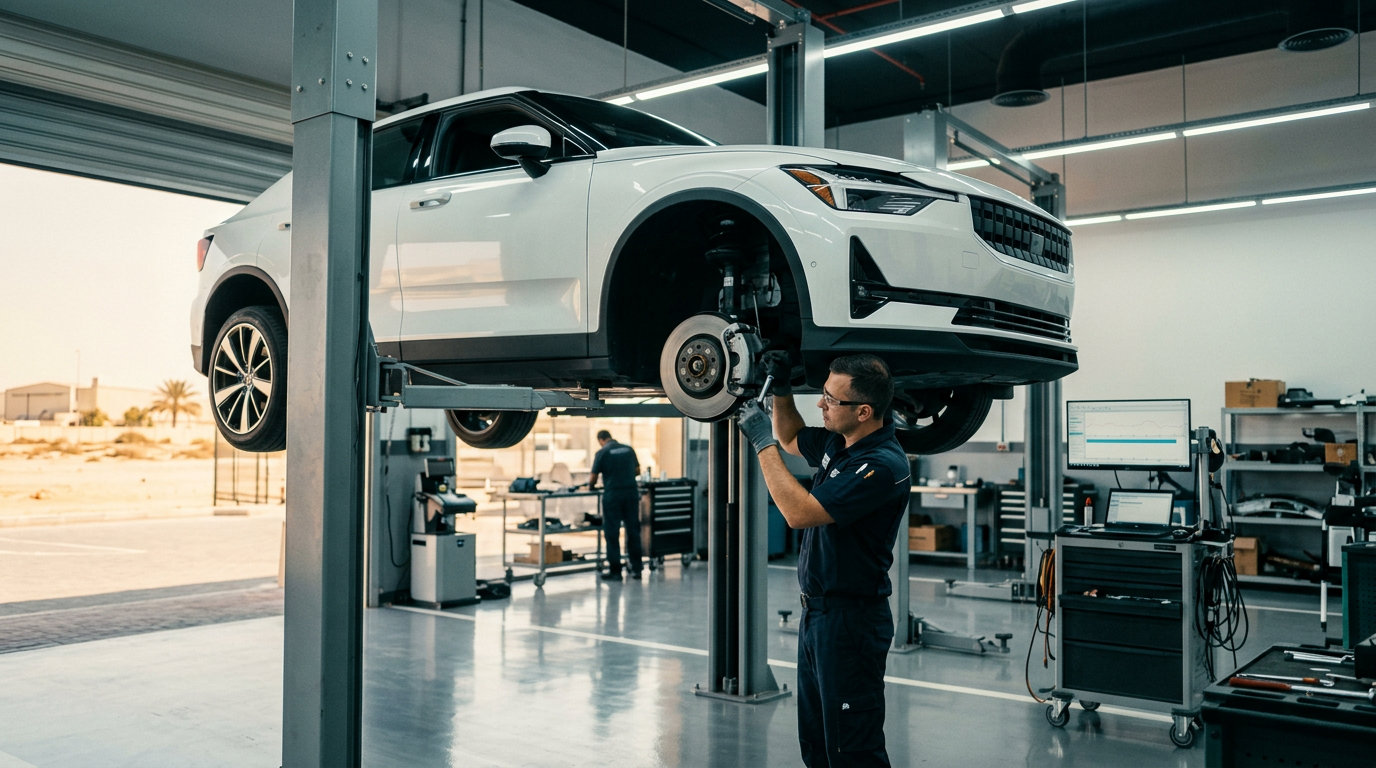
The single biggest factor in EV tyre wear is weight. A battery pack adds 200–700 kg compared to a petrol engine and fuel tank. A Polestar 2 weighs around 2,100 kg; a comparable petrol sedan might weigh 1,600 kg. That extra mass presses down on four contact patches no larger than your hand, increasing friction and heat with every kilometre.
In Dubai's summer heat—where road surface temperatures can exceed 70°C—this weight effect is amplified. The tyre compound softens slightly in extreme heat, and the combination of heavy load and hot asphalt accelerates tread wear measurably faster than in cooler climates.
Instant Torque Delivery
Electric motors deliver maximum torque from zero RPM. Floor the accelerator in a BMW iX or Audi e-tron, and you get instant, full power to the wheels. Petrol engines build torque gradually through the rev range, giving tyres time to grip progressively. EVs don't—every launch can scrub rubber if you're not careful with throttle input.
This characteristic is fun but expensive. Enthusiastic drivers in Dubai who enjoy the performance of electric cars often see their front tyres wear 20–40% faster than rears, especially on front-wheel-drive models like the MG ZS EV or MINI Electric.
Low Rolling Resistance Tyres
To maximise range, most EVs come fitted with low rolling resistance tyres. These use harder rubber compounds and stiffer sidewalls to reduce energy loss as the tyre rolls. Less rolling resistance means more kilometres per charge—but harder compounds also mean less grip and faster wear under heavy loads and aggressive driving.
Manufacturers like Michelin produce EV-specific tyres (such as the Pilot Sport EV or e.Primacy) that attempt to balance lower rolling resistance with acceptable tread life, but physics imposes trade-offs. If you replace your EV tyres with standard performance tyres, you may gain 5–10% more tread life but lose 3–5% battery range.
Regenerative Braking and Tyre Load
Regenerative braking reduces brake pad wear significantly—most EV owners in Dubai go 80,000 km or more before needing new brake pads. But regen doesn't reduce tyre wear; it shifts braking forces from the brake discs to the tyres themselves. When you lift off the accelerator and the motor reverses to recover energy, the tyres still scrub against the road to slow the vehicle down.
In city driving with frequent regen events, this adds up. The tyres are constantly managing acceleration and deceleration forces, which generates heat and wears the tread more evenly across the contact patch—but faster overall.
Common Tyre Wear Patterns on Electric Vehicles
EV tyre wear tends to show specific patterns:
- Centre wear: Common on over-inflated tyres or vehicles driven mostly on highways. Check tyre pressure monthly; Dubai heat increases PSI by 3–5 over the course of a hot day.
- Edge wear: Often seen on under-inflated tyres or vehicles with suspension issues. EVs' extra weight makes correct inflation critical—refer to the door placard, not generic advice.
- Feathering: Small, angled wear on tread blocks, usually indicating alignment problems. The weight of electric vehicles makes them more sensitive to even minor toe or camber misalignment.
- Cupping: Scalloped dips around the tyre, often from worn suspension components or unbalanced wheels. Suspension checks should be part of every EV service.
If you notice uneven wear, book a diagnostic check and alignment inspection. Correcting the issue early can save you from replacing all four tyres prematurely.
How to Reduce Tyre Wear on Your Electric Vehicle
Monitor and Maintain Correct Tyre Pressure
Check pressure every two weeks, ideally when tyres are cold (before driving). EVs often specify higher pressures—40–42 PSI—to support the extra weight. Under-inflation by even 5 PSI can increase wear by 15% and reduce range noticeably.
Drive Smoothly and Use Eco Mode
Eco or comfort driving modes limit torque delivery and smooth throttle response, reducing the shock load on tyres during acceleration. In Dubai traffic, this also improves range and reduces the temptation to launch aggressively from every red light.
Rotate Tyres Regularly
Rotate every 8,000–10,000 km to even out wear between front and rear axles. Many EV service schedules recommend rotation more frequently than petrol cars because of the faster wear rate. A good tyre service will include rotation, balancing, and a visual inspection of tread depth and condition.
Check Wheel Alignment Every 15,000 km
Dubai's speed bumps, potholes, and the occasional kerb nudge in tight car parks can knock alignment out. Misalignment wears tyres unevenly and fast. If your EV pulls to one side or the steering wheel sits off-centre, book an alignment check immediately.
Choose EV-Specific or High-Quality Tyres
When replacement time comes, invest in tyres designed for electric vehicles. Michelin, Goodyear, Pirelli, and Continental all offer EV-ready ranges that handle the extra weight and torque better than standard tyres. Expect to pay 10–20% more, but you'll gain back that cost in extended tread life and better range efficiency.
Avoid Overloading
EVs are already heavy. Adding four passengers, luggage, and cargo pushes tyres closer to their load limit. Check the vehicle's maximum load rating and try not to exceed 80% of it regularly, especially in summer when heat already stresses the rubber.
Are There Tyres Specifically Designed for Electric Vehicles?
Yes. EV-specific tyres feature reinforced sidewalls to support extra weight, optimised tread compounds that balance low rolling resistance with durability, and noise-reducing foam inserts (since EVs are quieter, tyre roar becomes more noticeable). Popular EV tyre models include:
- Michelin e.Primacy and Pilot Sport EV
- Goodyear ElectricDrive GT
- Pirelli P Zero Elect and Cinturato P7 Elect
- Continental EcoContact 6 and SportContact EV
These tyres carry an "EV-compatible" or "Elect" marking and often have a higher load index and speed rating to match the performance envelope of electric cars. They're not mandatory, but they do make a measurable difference in tread life and ride comfort.
How Does Dubai Heat Affect EV Tyre Wear?
Dubai's climate accelerates every wear mechanism. Asphalt temperatures above 60°C soften tyre compounds, increasing rolling friction. UV exposure degrades rubber faster, causing sidewall cracking even when tread depth is adequate. Humidity and fine sand act as mild abrasives on the tyre surface.
Combined with the weight and torque of an electric vehicle, Dubai conditions can shorten tyre life by 15–25% compared to temperate climates. This is why regular visual inspections—checking for cracks, bulges, and embedded debris—are critical. Heat affects more than just tyres; it's a factor across your entire EV maintenance schedule.
Comparing Tyre Lifespan: EV vs Petrol in Real-World Dubai Use
A mid-size petrol sedan like a Volkswagen Passat might deliver 50,000–60,000 km on a set of tyres with moderate city and highway driving. An equivalent electric vehicle—say, a Polestar 2 or Mercedes-Benz EQC—will typically see 30,000–40,000 km under the same conditions.
That 20–30% reduction matches global data but can be worse if driving style is aggressive or tyre maintenance is neglected. On the other hand, EV owners save significantly on brake servicing and oil changes, so the total cost of ownership often balances out. For a detailed cost comparison, see our article on EV maintenance costs in the UAE.
When to Replace EV Tyres
Replace tyres when tread depth reaches 3 mm or less. UAE regulations require a minimum of 1.6 mm, but for safety—especially in sudden rain—3 mm is a practical limit. Most EV tyres have tread wear indicators moulded into the grooves; when the tread is flush with these bars, it's time for new rubber.
Also replace tyres if you see:
- Cracks or cuts in the sidewall
- Bulges or blisters (indicating internal damage)
- Uneven wear that can't be corrected by alignment or rotation
- Age over six years, even if tread depth is acceptable (rubber degrades over time in heat)
Don't wait for a puncture or blowout. Tyres are your only contact with the road, and on a heavy, powerful electric vehicle, worn tyres compromise safety and performance significantly.
Final Thoughts on EV Tyre Wear in Dubai
Electric vehicles do wear tyres faster, but understanding why—and taking proactive steps—can extend tyre life and keep running costs predictable. Regular pressure checks, smooth driving, timely rotations, and choosing the right tyres make a tangible difference. If you're new to EV ownership in Dubai, factor in more frequent tyre changes than you're used to, and build that into your maintenance budget.
For anyone considering an EV, tyre wear is a real cost but not a deal-breaker. The savings on fuel, brakes, and routine servicing more than compensate. Just treat your tyres as consumables that need attention, much like brake pads on a petrol car.
Expert EV Tyre Service in Al Quoz
JAD Garage in Al Quoz 4 provides specialist tyre services for electric and European vehicles—rotation, balancing, alignment, and replacement with EV-ready tyres. Call +971 56 355 6113 or visit us Monday to Saturday, 09:00–19:00.
Frequently asked questions