
EV Charging in Dubai: Home, DEWA and Salik Realities

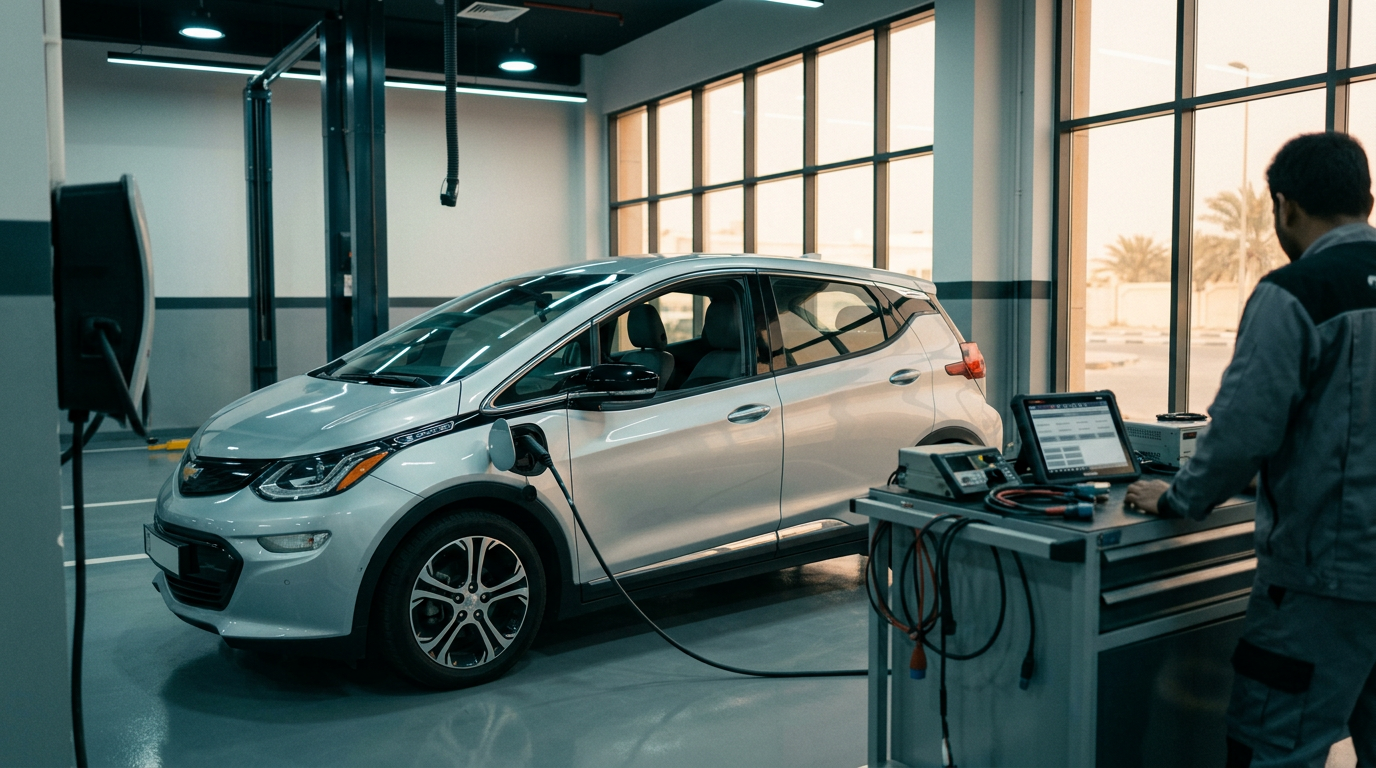
EV charging Dubai infrastructure has expanded rapidly, with DEWA's EV Green Charger Initiative now operating over 350 public charging stations across the emirate. Home charging remains the primary solution for most owners, while public stations at malls, petrol stations and car parks offer DC fast charging up to 90 kW. Costs range from free at some malls to around 0.30-0.60 AED per kWh at paid networks, and electric vehicles currently enjoy Salik toll exemptions until further notice.
DEWA's EV Green Charger Network
Dubai Electricity and Water Authority launched the EV Green Charger Initiative in 2019 to build a comprehensive charging infrastructure across Dubai. The network now includes stations at shopping centres, government buildings, public car parks and petrol stations throughout the city.
DEWA stations typically offer both AC charging (7-22 kW) and DC fast charging (50 kW). The DC chargers can replenish 80 percent of most electric vehicle batteries in 30-45 minutes, depending on the vehicle's acceptance rate and battery state. Tesla, Polestar, Audi e-tron, BMW iX and Mercedes-Benz EQC models all work with these CCS2 and Type 2 connectors.
Registration is straightforward: download the DEWA app, register your vehicle details, and link a payment card. Charging sessions are billed per kWh consumed, and the app shows real-time station availability and pricing. Some DEWA stations in government facilities remain free, while commercial locations charge market rates.
Home Charging: The Primary Solution
Most EV owners in Dubai charge at home overnight, where electricity costs are significantly lower than public fast charging. A 7 kW home wallbox charger can fully replenish a 60 kWh battery in about 8-9 hours, ideal for villa residents with dedicated parking and electrical capacity.
DEWA offers a streamlined process for home charger installation. You'll need to submit an application through a registered electrical contractor, who will assess your villa's electrical panel capacity and install a dedicated circuit. The typical residential slab tariff in Dubai is around 0.38 AED per kWh, making a full charge for a mid-size electric car cost approximately 20-25 AED for 300-400 km of range.
Apartment residents face more complexity. Building management approval is required, and older buildings may lack the electrical infrastructure to support multiple EV chargers. Some newer developments in Dubai Marina, Downtown and Business Bay now include pre-wired EV charging points in parking bays, but retrofitting older buildings remains challenging.
Home Charger Considerations
- 7 kW wallbox suitable for overnight charging in villas
- Dedicated 40A circuit breaker and cable run required
- Smart chargers allow scheduling during off-peak hours
- Weatherproof enclosures recommended for outdoor installations in Dubai heat
- Cable management important in shared parking areas
Public Charging Networks Beyond DEWA
Several private operators complement DEWA's infrastructure. ADNOC has installed fast chargers at select petrol stations along Sheikh Zayed Road and Emirates Road, offering 50-90 kW charging for intercity travel between Dubai and Abu Dhabi. These stations use the same CCS2 standard and accept payment via app or credit card.
Shopping malls including Dubai Mall, Mall of the Emirates and City Centre Deira offer free or subsidised charging as a customer amenity. Charging is typically time-limited (2-4 hours) and speeds range from 7-22 kW AC. Etihad Museum, Kite Beach car park and several Dubai Municipality facilities also provide charging stations.
Tesla Superchargers operate in a separate network, though newer V3 Superchargers in Dubai now support non-Tesla vehicles with CCS2 adapters through the Tesla app. Charging speeds reach 150 kW for compatible vehicles, significantly faster than standard public stations.
Charging Costs and Payment Methods
Public charging costs in Dubai vary by operator and location. DEWA's commercial stations typically charge 0.35-0.50 AED per kWh for AC charging and 0.50-0.70 AED per kWh for DC fast charging. Private operators may charge slightly higher rates or include idle fees if you remain connected after charging completes.
For comparison, a Volvo XC40 Recharge with a 78 kWh battery would cost approximately 27-39 AED for a full charge at home versus 39-55 AED at a public DC fast charger. The convenience premium for fast charging is offset by time savings when you need a quick top-up during the day.
Most charging networks require app registration and accept credit cards or Apple/Google Pay. Some mall chargers remain free but require validation through the mall's parking system. Always check the pricing screen before initiating a session, as rates can change and idle fees apply at busy locations.
Salik and RTA Considerations
Electric vehicles in Dubai currently enjoy exemption from Salik toll charges when passing through the emirate's toll gates. This exemption, introduced to encourage EV adoption, requires registration through the Salik website with proof of vehicle registration showing electric fuel type on the Mulkiya.
The exemption applies to all battery electric vehicles but not to plug-in hybrids, which are classified as conventional vehicles for toll purposes. With eight Salik gates across Dubai and charges of 4-6 AED per crossing during peak hours, the annual saving for daily commuters can reach 2,000-4,000 AED.
RTA parking in Dubai also offers preferential treatment for electric vehicles, with dedicated EV parking bays at some public car parks and reduced or waived parking fees at select locations. However, these bays are specifically for charging, and occupying them without an active charging session may result in fines.
Range Anxiety and Charging Strategy
Dubai's compact geography makes range anxiety less of an issue than in larger emirates. Most daily driving patterns involve 30-60 km, well within any modern electric vehicle's range. A Polestar 2 with 470 km WLTP range or Audi e-tron with 400 km range easily handles a week of city driving between charges.
Summer heat does reduce range by 10-15 percent when air conditioning runs continuously, and battery thermal management systems consume additional energy in 45-50°C ambient temperatures. Pre-conditioning the cabin while still plugged in at home preserves battery range for driving.
For longer trips to Abu Dhabi or Al Ain, plan charging stops at ADNOC stations or DEWA fast chargers along major highways. A 20-minute charging stop during a 90-minute drive adds minimal time while ensuring comfortable range margins.
EV Servicing and Electrical System Maintenance
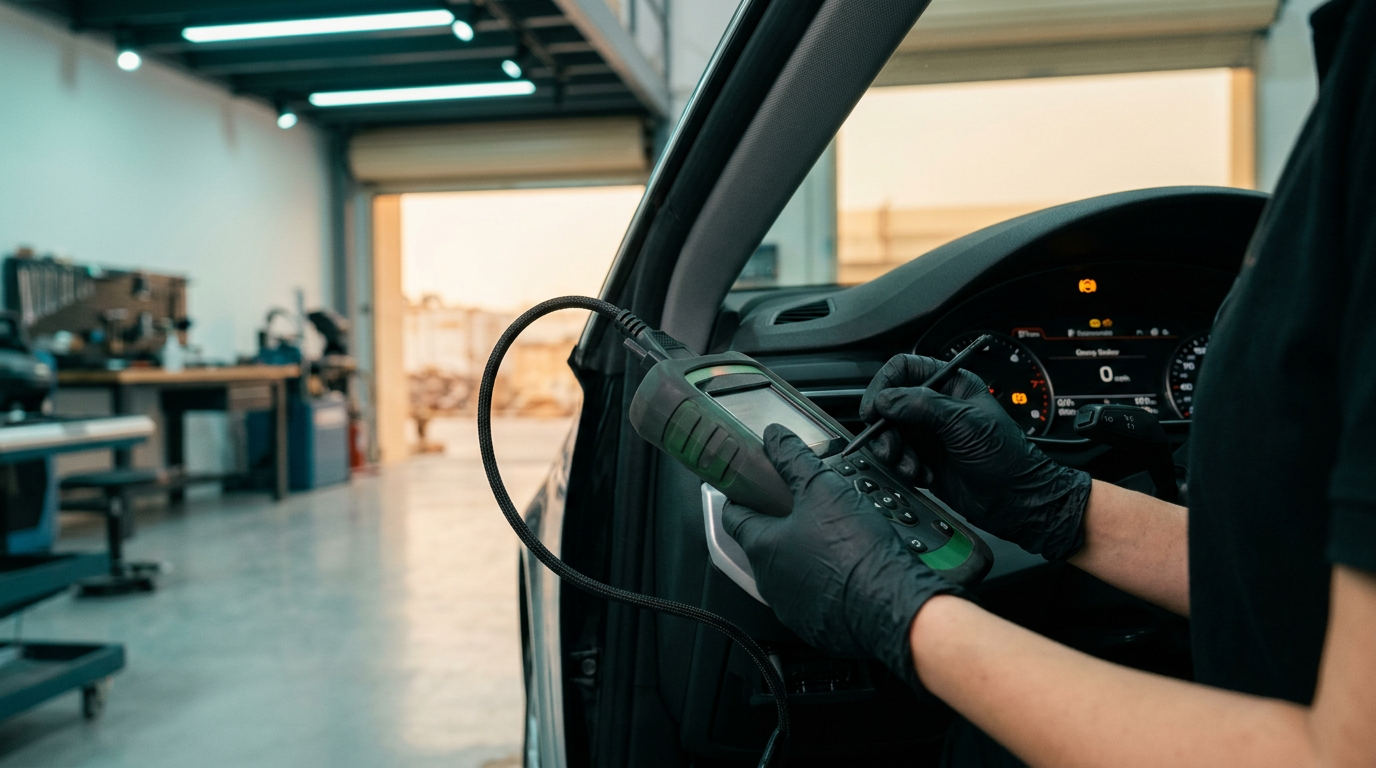
While electric vehicles require less routine maintenance than petrol cars, their electrical and electronics systems demand specialist knowledge. High-voltage battery systems, inverters, charging ports and thermal management require manufacturer-grade diagnostic equipment and trained technicians.
Common service items include cabin air filters (more critical with recirculated air conditioning), brake fluid (despite regenerative braking reducing pad wear), coolant for battery thermal systems, and tire rotations. Battery health monitoring should be performed annually to track capacity degradation and cell balance.
Charging port issues, onboard charger faults and battery management system errors require specialist diagnosis. Independent workshops with European EV experience can service Polestar, Audi, BMW, Mercedes-Benz and Volvo electric models using OEM-equivalent tools and software.
Fleet and Corporate Charging Solutions
Businesses operating electric vehicle fleets need scalable charging infrastructure and management software. DEWA offers commercial charging solutions for fleet operators and corporate accounts, including load management systems that balance charging across multiple vehicles without overloading electrical capacity.
Smart charging systems can schedule charging during off-peak hours, prioritise vehicles with urgent range needs, and generate detailed usage reports for accounting and sustainability reporting. For delivery fleets and service vehicles covering 150-200 km daily, daytime opportunity charging at depots ensures operational continuity.
The business case for fleet electrification in Dubai includes fuel savings, reduced maintenance costs, Salik exemptions and corporate sustainability credentials. Initial infrastructure investment is typically recovered within 3-4 years for high-utilisation vehicles.
JAD Garage in Al Quoz 4 provides specialist servicing for European electric vehicles including Polestar, Audi, BMW, Mercedes-Benz and Volvo EV models. Our technicians use manufacturer-grade diagnostic equipment to service high-voltage systems, battery health monitoring and charging system repairs. Call +971563556113 to discuss your electric vehicle's maintenance needs or learn more about EV ownership in Dubai.
Related reading: Steering Wheel Vibration at Speed: Balancing, Brakes or Suspension?.
European EV Servicing in Al Quoz
JAD Garage in Al Quoz 4 provides specialist servicing for European electric vehicles including Polestar, Audi, BMW, Mercedes-Benz and Volvo EV models. Our technicians use manufacturer-grade diagnostic equipment for high-voltage systems and battery health monitoring. Call +971563556113 to book your EV service.
Frequently asked questions