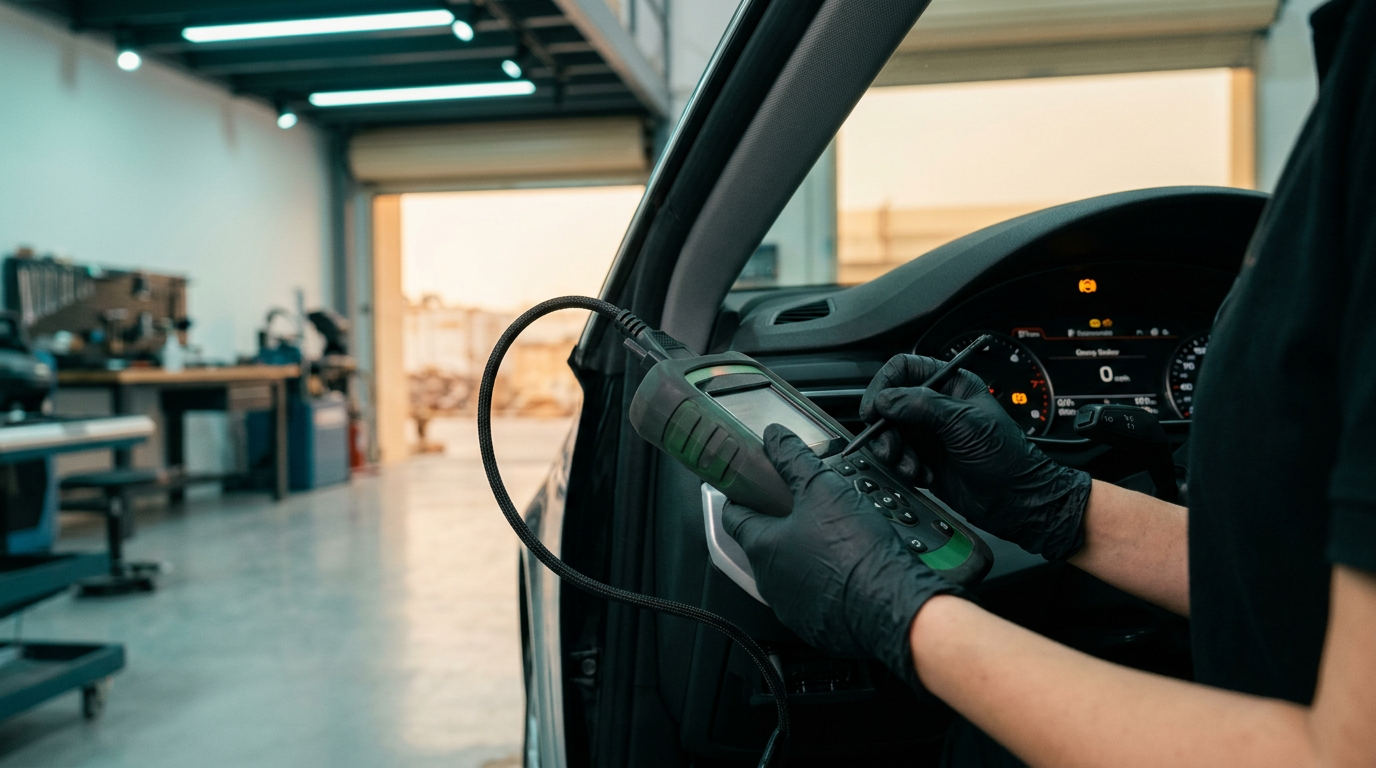

Turbo Failure Warning Signs in Modern European Engines

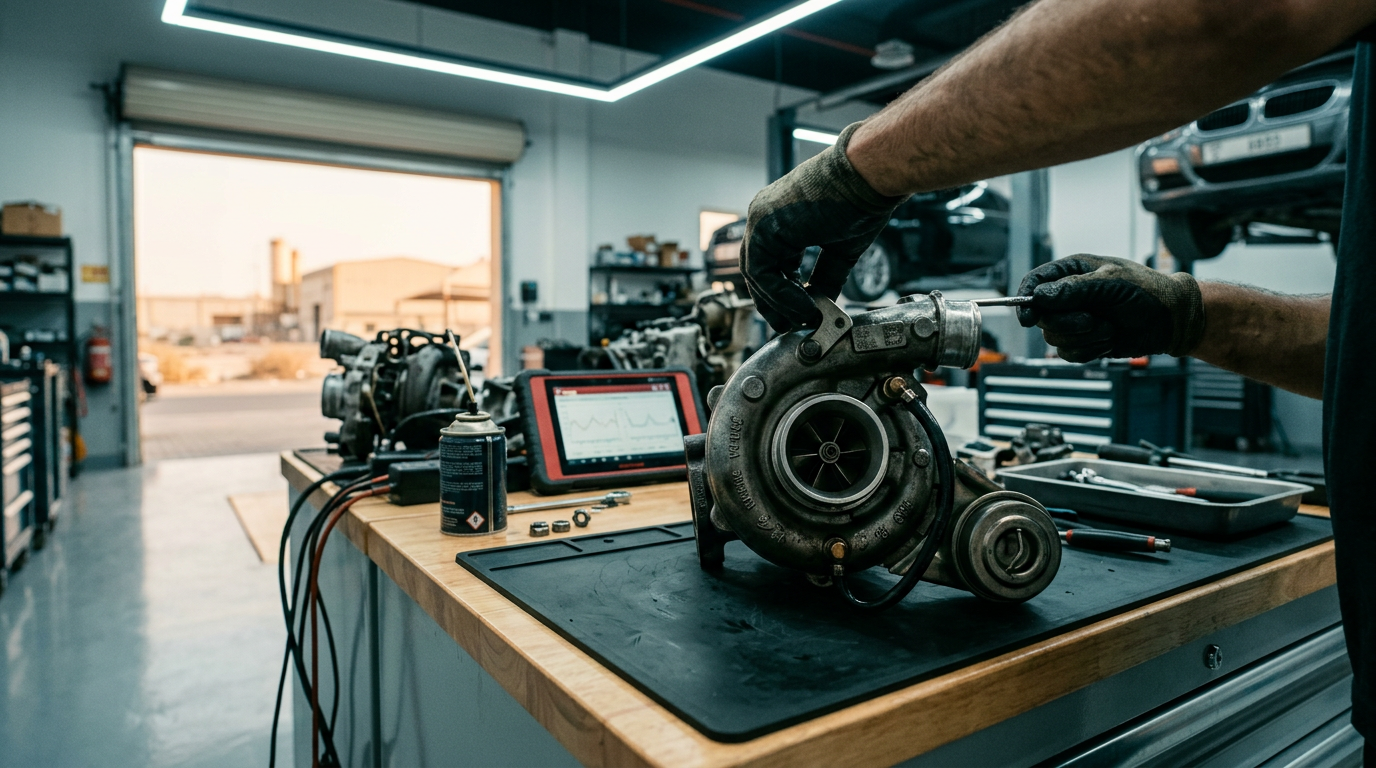
Turbo failure symptoms include a sudden or gradual loss of power, excessive blue-gray or black smoke from the exhaust, a persistent check engine light, loud whining or grinding noises from the engine bay, and the vehicle entering limp mode. Early detection of these signs—especially oil-related issues—can prevent catastrophic engine damage and costly repairs.
Why Turbochargers Fail in Dubai's Climate
Modern European engines rely heavily on turbochargers to deliver performance and efficiency. Brands like BMW, Audi, Mercedes-Benz, Volkswagen, and Porsche fit turbos across their ranges, from small petrol units to high-output diesel engines. In Dubai's harsh environment—ambient temperatures reaching 50°C, fine sand infiltration, and frequent short-trip city driving—turbochargers work harder and face accelerated wear.
Turbo failure is rarely instant. Most failures develop over weeks or months, giving you warning signs if you know what to look for. Understanding the difference between a failing turbo actuator and a mechanically damaged turbocharger can save you from misdiagnosis and unnecessary part replacement.
Common Symptoms of Turbo Failure
Loss of Power and Boost Pressure
The most noticeable symptom of a failing turbo is a significant drop in engine performance. You may feel sluggish acceleration, especially when overtaking or climbing ramps. The engine struggles to reach higher RPMs, and the characteristic surge of turbocharged power disappears. This happens when the turbocharger's compressor wheel or turbine is damaged, or when boost pressure leaks through cracked intercooler hoses or a failing wastegate.
In diesel engines—common in Land Rover, Audi, and older BMW models—loss of boost is often more pronounced because diesels depend entirely on the turbo for usable power. If your diesel turbo is failing, the vehicle may feel undriveable in traffic.
Unusual Smoke from the Exhaust
Smoke color reveals a lot about turbo health:
- Blue or gray smoke: Indicates engine oil is burning in the combustion chamber, often because the turbo's internal seals have failed and oil is being drawn into the intake or exhaust side.
- Black smoke (diesel): Suggests incomplete combustion, which can result from a turbo not providing enough boost, leading to a rich fuel mixture.
- White smoke on startup: May point to oil pooling in the intercooler or intake manifold from a leaking turbo seal.
Blue-gray smoke is the most definitive visual indicator of turbo seal failure. If you see it consistently, especially under acceleration, the turbocharger internals are likely compromised.
Check Engine Light and Limp Mode
Modern European vehicles monitor boost pressure, air-fuel ratios, and exhaust gas temperatures through multiple sensors. When the ECU detects a turbo-related fault—such as underboost, overboost, or a faulty turbo actuator—it will illuminate the check engine light and often place the vehicle into limp mode, restricting power to protect the engine.
Common fault codes related to turbo failure include underboost (P0299), overboost (P0234), and turbo actuator performance (P2263). A proper diagnostic scan with manufacturer-grade equipment is essential to pinpoint whether the issue is mechanical turbo damage or an electronic actuator fault.
Loud Whining, Grinding, or Siren-Like Noises
A healthy turbocharger produces a subtle whoosh or whistle under boost. A failing turbo, however, makes louder, harsher sounds:
- High-pitched whining or siren noise: Often caused by a worn compressor or turbine bearing, or debris damage to the compressor wheel.
- Grinding or rattling: Indicates severe bearing wear or contact between the spinning turbine and the housing, a sign of imminent failure.
- Fluttering or chattering: May point to a boost leak or a failing blow-off valve, not always the turbo itself.
If you hear grinding, stop driving immediately. Continued operation can send metal fragments into the intake and engine, causing catastrophic damage.
Excessive Oil Consumption
Turbochargers are lubricated by engine oil fed through a pressurised feed line and drained via a return line. When turbo seals fail, oil is consumed at an abnormal rate—sometimes a litre or more between services. You may notice the oil level dropping on the dipstick without visible leaks under the car. This oil is being burned through the turbo into the exhaust or intake system.
High-quality engine oil and regular oil changes are critical to turbo longevity. In Dubai's heat, oil degrades faster, and neglected oil changes are a leading cause of turbo bearing failure.
Turbo Actuator vs Full Turbo Failure
Not all turbo-related symptoms mean the turbocharger itself is destroyed. Many modern turbochargers use electronic actuators (also called vacuum actuators or electric wastegate actuators) to control boost pressure. These actuators can fail independently of the turbo's mechanical components.
Symptoms of a Failing Turbo Actuator
- Check engine light with actuator-specific fault codes (e.g., P2263, P0243)
- Inconsistent boost delivery—power comes and goes unpredictably
- Limp mode activation without smoke or noise
- Normal turbo spool sound but reduced maximum boost
Turbo actuators are common failure points on brands like Volkswagen, Audi, and BMW, particularly on vehicles over five years old. Replacing a faulty actuator is far less expensive than a full turbo replacement—typical market costs in Dubai range from AED 1,200 to AED 3,500 depending on the model, compared to AED 4,000 to AED 12,000 for a complete turbocharger.
High-quality turbo actuators from suppliers like Garrett or OEM equivalents offer better reliability than budget aftermarket units, especially in Dubai's heat.
What Causes Turbochargers to Fail?
Oil Starvation and Contamination
The number one cause of turbo failure is inadequate or contaminated engine oil. Turbos spin at speeds exceeding 100,000 RPM, and their bearings depend on a constant supply of clean, pressurised oil. Blocked oil feed lines, sludge buildup from extended service intervals, or low oil levels will destroy turbo bearings within minutes of hard driving.
Always use the correct oil specification for your engine and stick to the manufacturer's service intervals—or shorten them if you drive mainly in city traffic or extreme heat.
Foreign Object Damage
Debris entering the turbo's compressor or turbine side can chip or bend the delicate blades, causing imbalance and bearing failure. This can happen if the air filter is missing, damaged, or poorly sealed, allowing sand and dust—common in Dubai—to enter the intake. Exhaust-side damage can occur from failed engine components like broken piston rings or valve fragments.
Exhaust Restrictions and Heat
Blocked catalytic converters or damaged exhaust systems increase backpressure, forcing the turbo to work harder and run hotter. Over time, this accelerates wear on the turbine wheel and bearings. High exhaust gas temperatures—exacerbated by aggressive driving in Dubai's heat—can also warp turbo housings or damage internal seals.
Aggressive Shutdown
Shutting off a turbocharged engine immediately after hard driving denies the turbo the cool-down period it needs. The oil supply stops instantly, but the turbo remains extremely hot, causing oil coking (carbonisation) in the bearing housing. This gradually restricts oil flow and leads to bearing failure. Idling for 30–60 seconds after motorway driving or spirited acceleration allows oil to continue circulating and cool the turbo safely.
Diesel Turbo Failure: Specific Considerations
Diesel engines, especially those in Range Rover, Audi, and BMW models, place unique demands on turbochargers. Diesel turbochargers operate under higher boost pressures and temperatures than their petrol counterparts, and they are more sensitive to oil quality.
Common diesel turbo symptoms include:
- Heavy black smoke under acceleration (overfuelling due to low boost)
- Excessive oil consumption with blue smoke
- Loss of power at low RPM, where diesel engines normally excel
- Turbo lag becoming more pronounced over time
Diesel turbo actuators are also prone to carbon buildup in the variable geometry mechanism, causing sticking and erratic boost control. Regular engine servicing and occasional turbo cleaning can prevent this.
What to Do If You Notice Symptoms of Turbo Failure
If you experience any combination of the symptoms above, take action quickly:
- Check engine oil level immediately: Low oil is an emergency. Top up if needed and inspect for leaks.
- Avoid hard acceleration and high RPM: Driving gently reduces stress on a failing turbo and may prevent total failure until you can get it inspected.
- Don't ignore the check engine light: Have the fault codes read with proper diagnostic equipment to understand whether the issue is the turbo itself, the actuator, or a related sensor.
- Inspect for visible leaks or damage: Look for oil around the turbo, split intercooler hoses, or loose clamps.
Driving a car with a blown turbo risks sending metal debris into the engine's intake and cylinders, which can destroy pistons, valves, and the cylinder head—turning a AED 6,000 turbo repair into a AED 25,000+ engine rebuild.
Preventing Turbo Failure in Dubai
Prevention is always cheaper than repair. Follow these practices to maximise turbo lifespan:
- Use high-quality engine oil that meets or exceeds manufacturer specifications.
- Change oil and filters on time—consider 7,500 km intervals for severe Dubai driving conditions instead of 15,000 km.
- Replace air filters regularly and ensure the intake system is sealed against dust and sand.
- Allow the engine to idle briefly after hard driving before shutdown.
- Address check engine lights and performance issues early—small problems become expensive if ignored.
- Have diagnostic checks performed if you notice any change in boost delivery or unusual noises.
For high-performance or sports car applications—such as Porsche, Maserati, or Audi RS models—consider upgrading to high-quality aftermarket turbochargers or OEM replacements rather than budget alternatives, as the performance and reliability difference is significant.
Repair or Replace? Understanding Your Options
When a turbocharger fails, you typically have three options:
- Turbo actuator replacement: If diagnostics confirm the actuator is faulty but the turbo is mechanically sound, replacing just the actuator is the most cost-effective solution.
- Turbo rebuild: Some turbos can be rebuilt with new bearings, seals, and wheels. This is common for larger units and can cost 40–60% less than a new turbo.
- Full turbo replacement: If the housing is cracked, the turbine is damaged, or the unit has suffered oil starvation, a complete replacement is necessary. OEM and high-quality aftermarket options (Garrett, BorgWarner) offer the best longevity.
Always replace or clean the air filter, inspect and clean the intercooler, check all boost hoses, and perform an oil and filter change when installing a new or rebuilt turbo. Failing to address the root cause will lead to repeat failure.
For complex diagnostics and turbo-related repairs on European vehicles, experienced technicians with manufacturer-grade diagnostic equipment and access to OEM and premium parts are essential. Misdiagnosis—such as replacing a turbo when only the actuator has failed—wastes time and money.
Turbo Issues? Get Expert Diagnostics in Al Quoz
If you're experiencing any turbo failure symptoms, JAD Garage in Al Quoz 4 offers manufacturer-grade diagnostics and turbo repair for all European brands. Call +971 56 355 6113 or visit us Monday to Saturday, 09:00–19:00.
Frequently asked questions