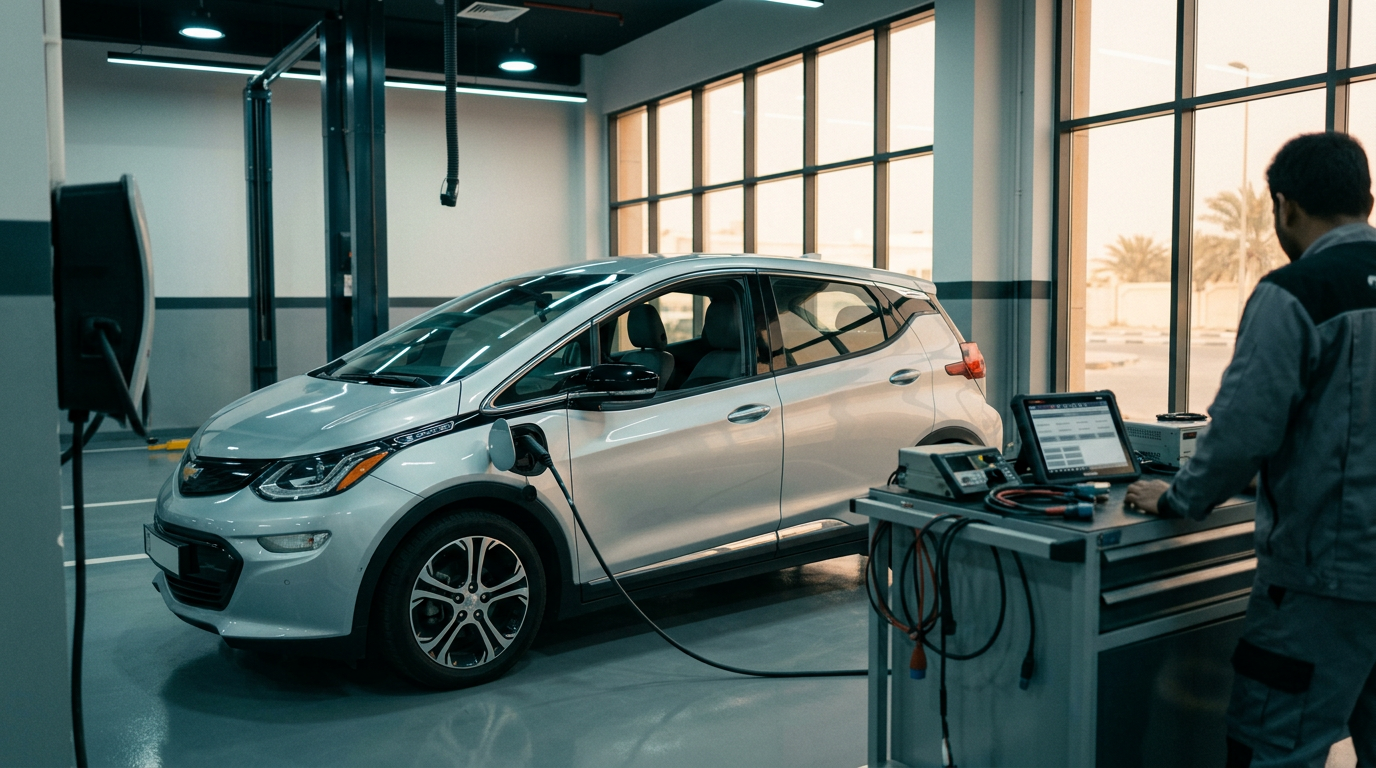

When to Change Oil in Dubai Heat : Your Guide to optimal oil
JAD Garage explains how Dubai's extreme heat accelerates oil degradation and when you should change your engine oil to keep your car protected.

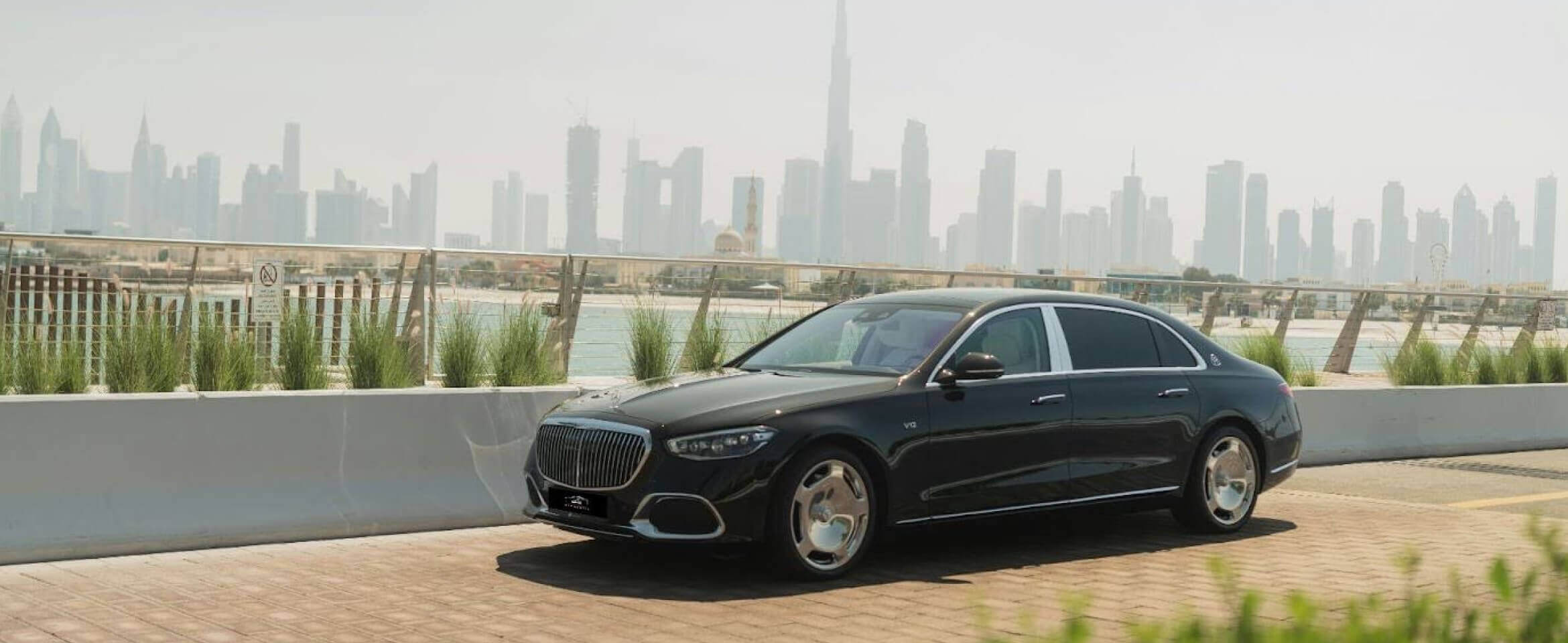
Your car sits in 48°C heat. You drive through stop-and-go traffic on Sheikh Zayed Road. The manual says you can wait between oil changes, but is that safe in Dubai?
Dubai's extreme climate changes the rules. Heat accelerates oil breakdown. Dust enters your engine. Traffic conditions create additional stress. The standard intervals in your owner's manual weren't designed for temperatures that regularly exceed 45°C.
This article explains when you should change your oil in Dubai, which warning signs matter, and how to adjust your maintenance schedule for local conditions.
Key points to remember
- Oil change intervals in Dubai are shorter than global standards due to extreme heat
- Extreme heat above 45°C accelerates oil oxidation and viscosity breakdown
- Stop-and-go traffic and short trips require more frequent service than highway driving
- Synthetic oil performs best in Dubai heat with superior temperature resistance
- Warning signs include dark oil, engine noise, burning smell, and dashboard lights
What Dubai's heat actually does to your oil
Engine oil lubricates, cools, cleans, and protects. In Dubai's climate, each function faces extraordinary stress.
When temperatures exceed 45°C, several things happen simultaneously. The oil oxidizes faster, which means its molecular structure breaks down. Heat causes additives to deplete more rapidly. Viscosity changes, making the oil either too thick when cold or too thin when hot.
Most oil manufacturers classify Dubai driving conditions as "severe service"—not because of your driving style, but because extreme heat accelerates oil degradation far beyond what standard maintenance intervals account for.
Which intervals matter most in Dubai
Your oil change schedule depends on oil type, driving patterns, and vehicle specifications.
Conventional oil breaks down fastest in heat. Synthetic oil offers superior temperature resistance but still needs more frequent changes in Dubai. Synthetic blend protection falls between the two.
Always adjust manufacturer recommendations for Dubai's extreme heat.

Warning signs you need service now
Don't wait for your scheduled interval if you notice these indicators.
Dark or dirty oil: Check your dipstick monthly. Fresh oil appears amber. Black or muddy oil means oxidation has progressed too far.
Engine noise: Ticking, knocking, or grinding sounds indicate insufficient lubrication.
Burning smell: An oil odor means breakdown or leaks.
Dashboard warning light: Don't delay service—ignoring oil warnings leads to serious engine damage.
Bluish exhaust smoke: This indicates oil burning in the combustion chamber.
Common mistakes that damage engines
Following manufacturer intervals blindly: Standard intervals designed for European climates become dangerous in Dubai. Always err toward shorter intervals.
Using the wrong viscosity: Common recommendations include 5W-40 or 10W-40 for best performance. Using 5W-30 might be too thin. Consult your vehicle manufacturer's specifications.
Skipping oil checks: Heat accelerates consumption. Check monthly and top up when needed.
Neglecting the filter: Dubai's dusty conditions overwhelm filters faster. Replace with every oil change.
When to service your vehicle
Dubai's severe conditions require adjustments to all maintenance schedules. Daily city traffic demands the most frequent changes with fully synthetic oil. Mixed driving needs moderate frequency. Highway driving allows slightly longer intervals. Short trips and older vehicles require the most frequent service.
Consult your vehicle manufacturer's severe service schedule for Dubai's extreme conditions.

What to do next
If you're approaching your service interval or notice warning signs, book an appointment promptly. Establish a digital service record—the Dubai Municipality promotes responsible waste disposal. For uncertainty about your current oil, visit a qualified service center for oil analysis.
Best practices for Dubai conditions
Choose the right oil: Use synthetic oil with viscosity ratings appropriate for high-temperature operation. Consult your vehicle manufacturer's specifications for hot climate recommendations. Using lower viscosity oils like 5W-30 might be too thin for sustained high-temperature operation in extreme heat.
Monitor regularly: Check your dipstick monthly for oil level and color. Dark oil indicates early oxidation.
Keep records: Document every oil change with date, mileage, and oil type. This benefits both engine longevity and resale value.
Adjust for usage: Frequent short trips demand the shortest intervals regardless of oil type.
Making the right maintenance choice
Understanding your oil change needs in Dubai heat comes down to climate reality, driving patterns, and oil quality. Shorter intervals protect better. Synthetic oil performs better.
In Dubai's extreme climate, proper oil maintenance prevents premature wear and costly repairs.
Ready to optimize your service schedule?
If you're uncertain about your current service schedule or need guidance on the best oil for your specific vehicle and driving conditions, our team can help you interpret your situation and recommend the optimal maintenance plan.
Contact us and we will provide interval information based on your actual driving environment rather than generic manual recommendations.
Frequently asked questions