
30-60-90 Maintenance Schedule Explained for European Cars

The 30-60-90 maintenance schedule refers to factory-recommended service intervals at 30,000, 60,000 and 90,000 miles (or roughly 50,000, 100,000 and 150,000 kilometres). At each milestone, specific inspections, fluid replacements and component checks are performed to prevent wear, maintain engine health and extend vehicle life—especially important for European cars operating in Dubai's extreme heat and dusty conditions.
Why the 30-60-90 Rule Exists
Car manufacturers engineer service schedules based on component wear rates, fluid degradation and system stress. The 30-60-90 framework provides convenient checkpoints where multiple maintenance tasks align, making it easier for owners to plan and budget for scheduled maintenance.
European brands like BMW, Mercedes-Benz, Audi and Volkswagen typically follow these intervals, though some models use time-based or condition-based systems. In Dubai, where temperatures reach 50°C and fine sand infiltrates engine bays, these intervals often become upper limits rather than flexible guidelines.
Skipping or delaying these services accelerates wear on critical systems. Transmission fluid breaks down faster in heat, brake fluid absorbs moisture from humidity, and engine oil loses viscosity under sustained high temperatures. Following the factory scheduled maintenance plan prevents small issues from becoming expensive repairs.
What Happens at 30,000 Miles (50,000 km)
The 30,000-mile service is typically the first major checkpoint after initial break-in services. It focuses on fluids that degrade with use and filters that accumulate debris.
Common tasks at this interval include:
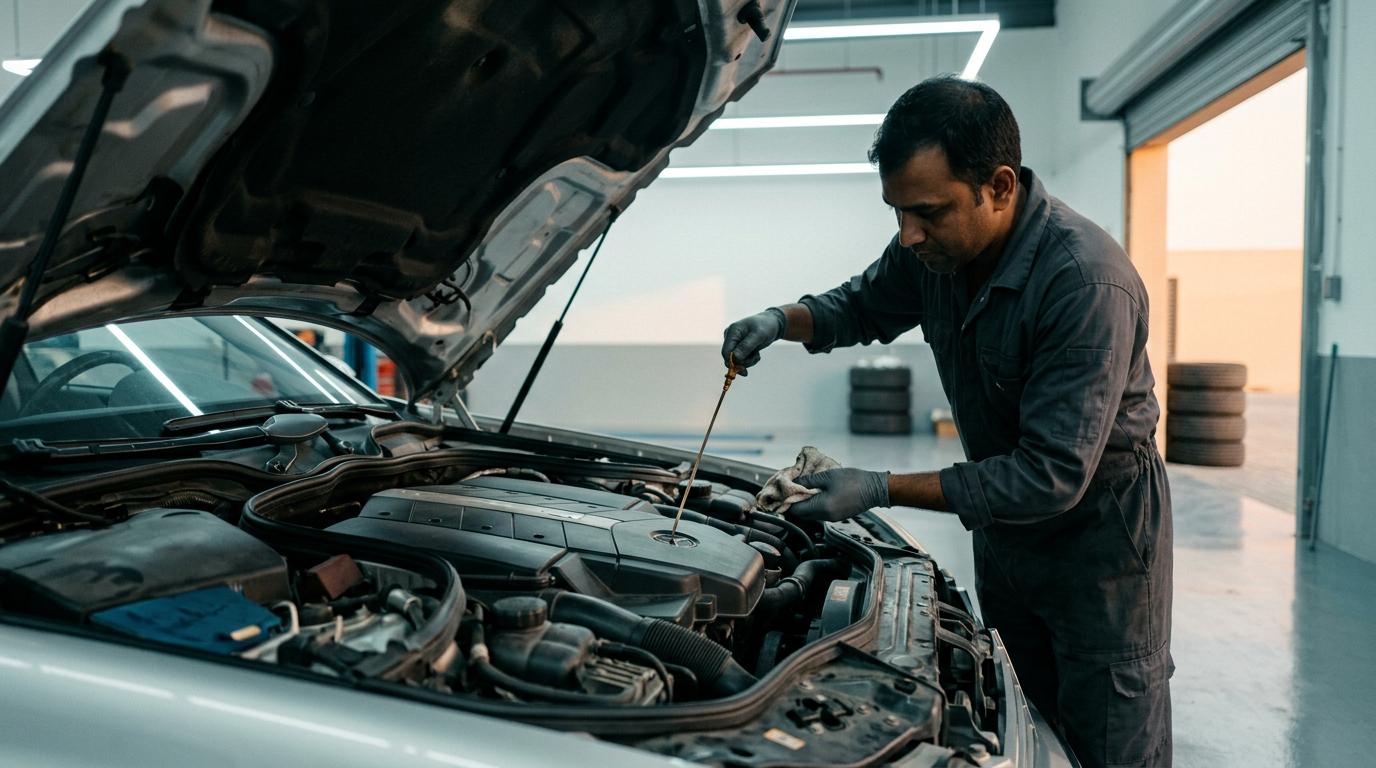
- Engine oil and filter change – essential in Dubai's heat, where oil degrades faster than in temperate climates
- Air filter inspection or replacement – Dubai's sand and dust clog filters quickly, reducing engine efficiency
- Cabin air filter replacement – critical for AC performance and interior air quality
- Brake system inspection – pads, rotors, fluid level and caliper operation checked
- Tire rotation and pressure check – uneven wear accelerates in stop-start traffic
- Battery test – heat shortens battery life significantly in the UAE
- Coolant level and condition check – prevents overheating in summer traffic
- Visual inspection of belts, hoses and suspension components
For many European models, this service takes 2-3 hours and represents baseline preventive care. Dubai's conditions mean some items—especially filters and fluids—may need attention sooner than the manual suggests. Our guide on major vs minor service intervals explains the distinction in more detail.
What Happens at 60,000 Miles (100,000 km)
The 60,000-mile service is more comprehensive. Many wear items reach their service life, and critical fluids require replacement regardless of appearance.
Typical tasks include everything from the 30,000-mile service, plus:
- Transmission fluid and filter change – especially important for DSG, ZF and other European automatic transmissions that suffer in heat
- Brake fluid flush – absorbs moisture over time, reducing boiling point and braking performance
- Spark plug replacement (petrol engines) – worn plugs reduce fuel efficiency and power
- Fuel filter replacement – prevents contamination from reaching injectors
- Coolant system flush – removes corrosion and restores heat transfer efficiency
- Drive belt inspection or replacement – includes accessory belts and serpentine belts
- Suspension and steering component inspection – bushings, ball joints and tie rods checked for wear
- Differential fluid change (AWD and RWD models) – often overlooked but critical for drivetrain longevity
For brands like Audi Quattro models, this service may also include Haldex system service. Our article on Audi Quattro maintenance covers these driveline-specific needs.
This interval is also when timing belt replacement may be due on certain engines—typically between 60,000 and 100,000 miles depending on the model. A failed timing belt can destroy an engine, making this one of the most critical maintenance tasks.
What Happens at 90,000 Miles (150,000 km)
At 90,000 miles, the maintenance schedule essentially repeats the 30,000-mile checklist with additional attention to high-wear components. Some items serviced at 60,000 miles won't need replacement yet, but inspection becomes more thorough.
Key tasks include:
- Engine oil and filter change
- Air and cabin filter replacement
- Brake system inspection – pads and rotors may need replacement by this point
- Tire inspection and rotation
- Battery and charging system test
- Coolant level and condition check
- Exhaust system inspection – hangers, catalytic converters and mufflers checked for corrosion
- Steering and suspension detailed inspection – wear accelerates after 100,000 km
- Engine mount inspection – rubber deteriorates in heat, causing vibration
By this mileage, patterns emerge. If you've been diligent with scheduled maintenance, major repairs remain rare. If services were skipped, you'll likely face transmission issues, engine wear or suspension failures.
Dubai-Specific Considerations
Standard factory intervals assume moderate climates and mixed driving. Dubai's environment compresses service life:
Heat stress: Sustained temperatures above 45°C accelerate fluid breakdown. Engine oil, transmission fluid and coolant degrade faster. Many European car owners in Dubai follow shortened oil change intervals—every 7,500 km instead of 10,000 km—to compensate. Our guide on oil change intervals in Dubai heat explains the science.
Dust and sand: Fine particulate matter clogs air filters, infiltrates cabin ventilation and accelerates wear on brake components. Cabin and engine air filters often need replacement every 10,000-15,000 km rather than the 30,000 km listed in many service manuals.
Short trips: Most Dubai driving involves short urban journeys where engines never fully warm up. This promotes condensation in oil and exhaust systems, accelerating corrosion and sludge formation.
Stop-start traffic: Constant braking wears pads and rotors faster. Transmission fluid heats repeatedly without highway cooling, shortening service life.
These factors make the 30-60-90 schedule a minimum standard in the UAE, not an optional guideline. Delaying services often leads to failures just outside typical component lifespan, resulting in expensive repairs that preventive maintenance would have avoided.
Tracking Your Maintenance Schedule
Modern European cars display service reminders based on mileage, time or oil condition sensors. However, these systems don't always account for Dubai's harsh environment.
Keep a manual log of:
- Date and mileage of each service
- Fluids replaced (type and brand)
- Parts replaced (with part numbers if possible)
- Any symptoms or concerns noted during inspection
This record proves invaluable when diagnosing issues, planning future maintenance or preparing a vehicle for sale. Buyers in Dubai's used car market pay premium prices for vehicles with complete, documented service history. Our article on pre-sale preparation discusses how maintenance records affect resale value.
For fleet operators managing multiple vehicles, structured service tracking becomes essential. Fleet maintenance programs help ensure no vehicle misses critical intervals.
What Happens If You Skip These Services
Deferred maintenance compounds. An overdue oil change at 40,000 miles might not cause immediate failure, but it accelerates engine wear. By 60,000 miles, that wear manifests as increased oil consumption, rough idle or reduced power.
Common consequences include:
- Transmission failure – degraded fluid causes clutch pack wear and valve body damage, often requiring complete transmission replacement (AED 15,000-30,000 for European models)
- Engine damage – sludge buildup from extended oil intervals clogs passages, leading to turbocharger failure or bearing damage
- Brake system failure – contaminated brake fluid lowers boiling point, causing brake fade or complete failure in emergency stops
- Cooling system failure – old coolant loses corrosion inhibitors, leading to radiator and water pump failure, then overheating
- Timing belt failure – on interference engines, this destroys valves and pistons, requiring engine rebuild or replacement
Repair costs for these failures typically exceed five years of scheduled maintenance combined. The 30-60-90 schedule exists because preventing wear costs far less than repairing damage.
Parts Quality Matters
Following the schedule matters, but so does parts quality. European cars are engineered around specific fluid specifications and component tolerances.
Using incorrect engine oil viscosity, off-brand transmission fluid or substandard filters saves money initially but often causes problems later. Our article on OEM vs aftermarket parts explains when premium alternatives make sense and when original equipment quality is essential.
For critical systems—transmission, brakes, cooling—quality matters more than cost. For wear items like wiper blades or cabin filters, premium aftermarket options often perform identically to original parts at lower cost.
Service Costs in Dubai
Typical market ranges for 30-60-90 services vary by vehicle complexity:
- 30,000-mile service: AED 800-1,500 for mainstream European models (VW, Peugeot, Renault), AED 1,200-2,500 for premium brands (BMW, Mercedes, Audi)
- 60,000-mile service: AED 2,000-4,000 for mainstream, AED 3,500-7,000 for premium (includes transmission service and additional fluid changes)
- 90,000-mile service: AED 1,000-2,000 for mainstream, AED 1,500-3,500 for premium (similar to 30k unless major components like timing belt are due)
These ranges reflect independent workshop pricing in Dubai. Additional costs arise if inspection reveals worn components—brake pads, suspension bushings or battery replacement.
For specialist models like McLaren, Ferrari or Lamborghini, service costs increase substantially due to parts pricing and technical complexity. Our guide to supercar maintenance covers these high-performance requirements.
Planning Your Next Service
Check your current mileage and last service date. If you're approaching or past a 30-60-90 milestone, schedule service soon. Delaying by a few hundred kilometres won't cause immediate failure, but Dubai's conditions make timely maintenance more critical than in temperate climates.
Before booking, gather your service history and note any symptoms—unusual noises, warning lights, performance changes. This information helps technicians identify developing issues during inspection.
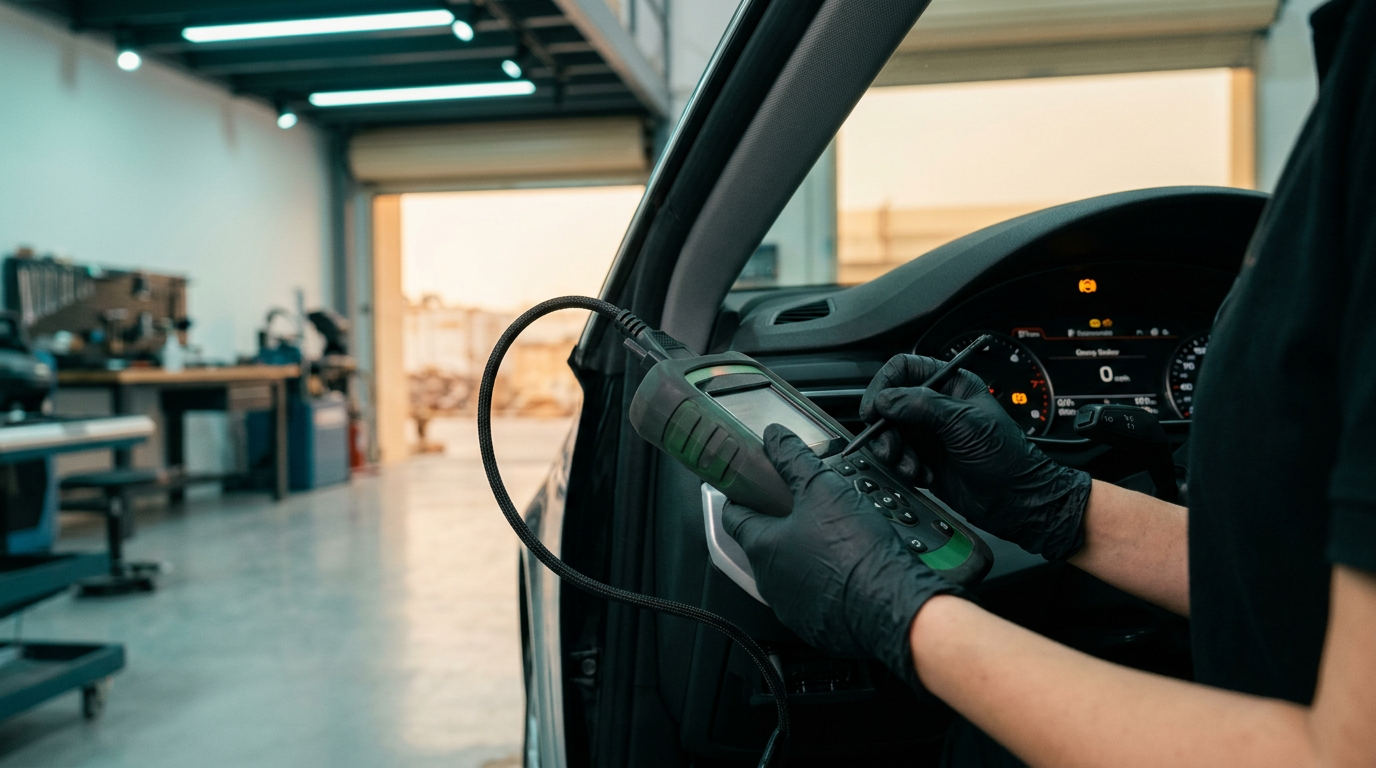
For comprehensive diagnostic assessment using manufacturer-grade equipment, independent specialists equipped with factory-level scan tools can identify issues that generic code readers miss. This is particularly important for European brands with complex electronic systems.
Due for Your 30-60-90 Service in Dubai?
JAD Garage in Al Quoz 4 provides comprehensive scheduled maintenance for all European brands using manufacturer-grade diagnostics and quality fluids. Call +971 56 355 6113 to book your service or discuss your vehicle's specific maintenance needs.
Frequently asked questions