
Squealing, Grinding, Vibrating: What Your Brakes Are Telling You

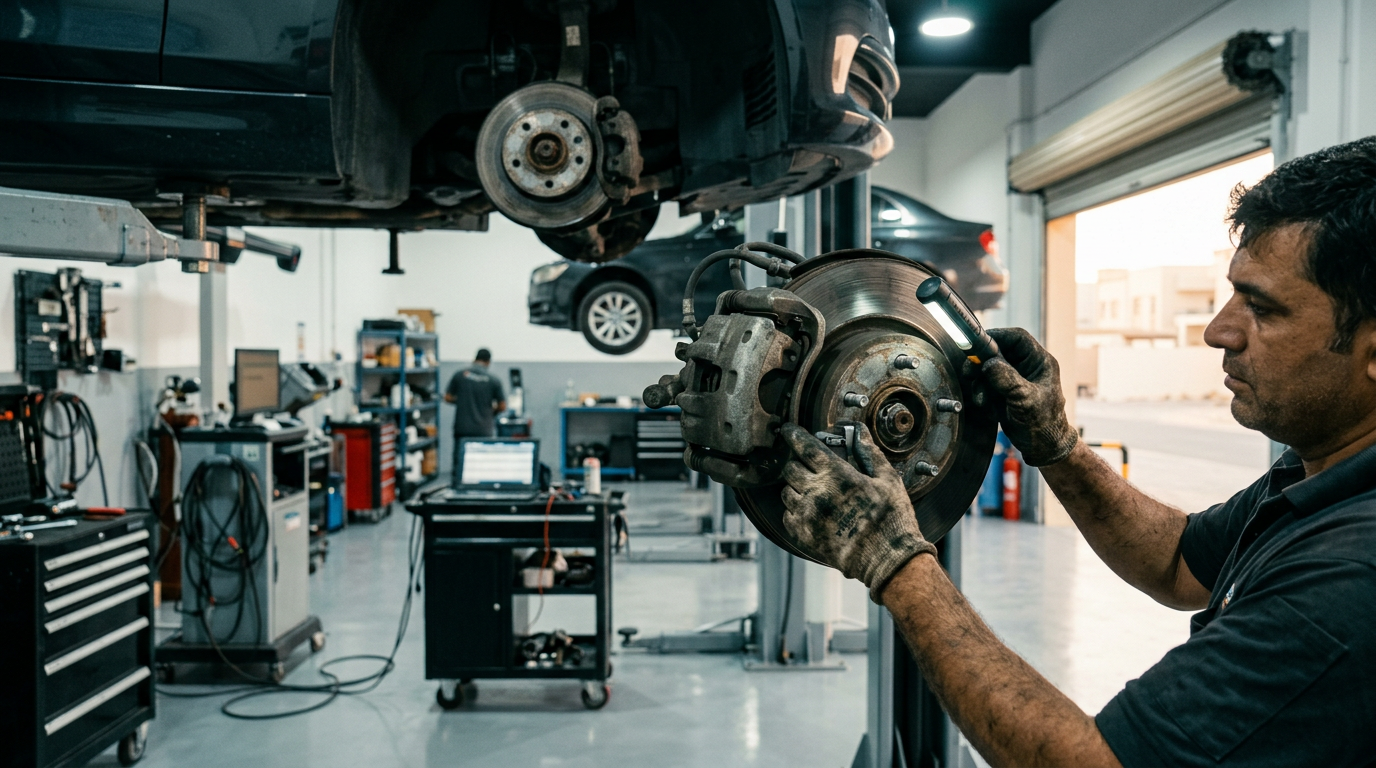
Brake noise—whether squealing, grinding or vibrating—usually signals a specific problem with your braking system. High-pitched squeaking often comes from worn brake pads triggering metal wear indicators, while grinding means metal-on-metal contact between pad backing plates and rotors. Vibrations during braking typically point to warped or uneven rotors. Each sound requires prompt attention to avoid safety risks and costlier damage to your vehicle.
High-Pitched Squealing: The Wear Indicator at Work
Most modern brake pads include a small metal tab designed to contact the rotor surface when the friction material wears down to around 2–3 mm thickness. This deliberate metal-on-metal contact creates a high-pitched squeal that's hard to ignore—exactly as intended. It's an early warning system built into the brake pad itself.
If you hear a consistent, sharp squeal every time you apply the brakes, especially during light braking, your pads have likely reached their minimum safe thickness. Ignoring this noise allows the pad material to wear through completely, exposing the steel backing plate and causing rotor damage that turns a straightforward pad replacement into a more expensive repair involving rotor resurfacing or replacement.
In Dubai's stop-start traffic and the heat that accelerates pad wear, this squealing can appear sooner than the typical 30,000–50,000 km interval seen in cooler climates. Short city trips with frequent braking generate more heat cycles, speeding up material degradation.
Grinding: Metal-on-Metal Contact
A grinding noise is more serious than squealing. It means the friction material on your brake pads has worn away completely, and the steel backing plate is now scraping directly against the brake rotor. This metal-on-metal contact removes rotor material with every application of the brake pedal, creating deep grooves and heat damage.
Once grinding starts, rotor replacement is often unavoidable. Rotors have a minimum thickness specification stamped on the hub; grinding can reduce thickness below this safety limit within a few hundred kilometres of driving. The longer you drive with grinding brakes, the more expensive the repair becomes.
Grinding can also come from debris—a small stone or piece of road material lodged between the pad and rotor. If the noise appeared suddenly after driving through construction zones or rough terrain, a visual inspection may reveal a foreign object rather than worn pads. Either way, the noise warrants immediate investigation.
Squeaking When Cold: Brake Dust and Moisture
Some brake noise is temporary and harmless. A light squeak or squeal during the first few brake applications in the morning, especially after the car has sat overnight, often results from a thin layer of surface rust on the rotors. Dubai's coastal humidity encourages this overnight oxidation, even in the desert climate.
This surface rust is polished away within the first few stops, and the noise disappears. Similarly, fine dust accumulation on the pad surface—common in the UAE's sandy environment—can cause a brief squeak until the pads bed in again. If the noise vanishes after a few minutes of driving and doesn't return, it's usually not a cause for concern.
However, if squeaking persists throughout your drive or returns every time you brake, the issue is more than surface rust or dust.
Vibration or Pulsing: Warped or Uneven Rotors
If you feel a pulsing or vibration through the brake pedal or steering wheel when you brake, especially at higher speeds, your rotors are likely warped or have developed uneven thickness. Rotors are precision-machined discs that must remain flat and uniform to provide smooth braking. Heat cycles from repeated hard braking can cause the metal to expand unevenly, creating high and low spots on the rotor surface.
When the brake pad clamps onto a warped rotor, it contacts the high spots first, then loses contact momentarily as it passes over the low spots. This on-off contact creates the pulsing sensation you feel. Warping is more common in vehicles that experience frequent heavy braking—Land Rover and Range Rover models, Porsche SUVs, and other heavy European vehicles driven in Dubai's traffic are particularly susceptible.
Rotors can sometimes be resurfaced (machined flat again) if they're still above the minimum thickness specification. If they've been resurfaced before or are too thin, replacement is the only safe option. Continuing to drive with warped rotors accelerates pad wear and reduces braking performance.
Common Brake Noise Causes: A Quick Reference
- High-pitched squeal during braking: Wear indicator tab contacting rotor; pads at 2–3 mm thickness.
- Grinding or scraping: Pad friction material completely worn; metal backing plate on rotor.
- Squeaking when cold, disappears quickly: Surface rust or dust; usually harmless if temporary.
- Vibration or pulsing through pedal/steering: Warped or uneven rotors from heat cycles.
- Clicking or rattling: Loose brake hardware, anti-rattle clips, or caliper mounting bolts.
- Squealing at low speed in reverse: Pad material glazing or lack of lubrication on pad slides.
The Role of Brake Fluid and Caliper Function
Not all brake noise comes from pads and rotors. The caliper—the hydraulic clamp that squeezes the pads against the rotor—can cause noise if its slide pins or guide bolts are dry or corroded. These pins allow the caliper to move smoothly as the pads wear. Without proper lubrication, the caliper can bind, causing uneven pad contact and squealing.
Brake fluid condition also affects braking feel and noise. Old or contaminated brake fluid absorbs moisture, lowering its boiling point. In Dubai's heat, degraded fluid can create a spongy pedal feel and reduce hydraulic pressure, leading to incomplete pad contact and noise. Fluid should be replaced every two years, a interval that's especially important in high-temperature climates.
When Brake Noise Means Immediate Attention
Some brake noises are urgent. Grinding, a soft or spongy pedal, or a brake warning light on the dashboard all require immediate inspection. Continuing to drive with these symptoms risks complete brake failure, especially under emergency braking when you need maximum stopping power.
Even a persistent squeal, while not an immediate safety hazard, should be addressed within a few hundred kilometres. Delaying a simple pad replacement can lead to rotor damage, caliper issues, and a repair bill two or three times higher.
If you notice any change in braking performance—longer stopping distances, pedal travel, or pulling to one side—alongside noise, the issue extends beyond pads and may involve hydraulic components or suspension geometry. A comprehensive diagnostic inspection is the safest next step.
Preventing Brake Noise Through Maintenance
Regular brake inspections catch wear before it becomes noise. During routine servicing—such as an oil change or tyre rotation—a visual check of pad thickness, rotor condition, and caliper operation takes only a few minutes and can identify problems early.
Keeping brake components clean is especially important in the UAE. Fine sand and dust infiltrate brake assemblies, accelerating wear and causing noise. A periodic cleaning and lubrication of caliper slide pins and pad contact points during general maintenance helps prevent binding and squealing.
Choosing quality brake pads also makes a difference. Premium pads use friction materials formulated to operate quietly across a wide temperature range, while budget pads may squeal even when new. OEM or premium aftermarket pads typically include chamfers, shims, and noise-dampening coatings that reduce vibration and sound.
What to Expect During a Brake Inspection
A thorough brake inspection includes measuring pad thickness with a calliper, checking rotor thickness against the minimum specification, inspecting caliper slide pins for smooth movement, and testing brake fluid condition with a moisture meter. The technician will also look for uneven pad wear, which can indicate caliper problems or suspension issues.
If pads are below 3 mm or rotors are scored, replacement is recommended. If components are still within serviceable limits but making noise, cleaning, lubrication, and anti-squeal shims may resolve the issue without parts replacement. A detailed report should explain what was found and what action is needed now versus what can wait.
For European vehicles—BMW, Audi, Mercedes-Benz, Volvo, and others—brake systems often include electronic wear sensors that trigger a dashboard warning. These sensors are single-use and must be replaced along with the pads. A workshop experienced with European models will know which vehicles use sensors and ensure they're included in the estimate.
Brake Noise and Performance Vehicles
High-performance and sports cars—Porsche, Maserati, Ferrari, Lamborghini—often use semi-metallic or carbon-ceramic brake pads designed for extreme temperatures. These materials can produce more noise than standard pads, especially when cold. A light squeal during the first few stops is normal and doesn't indicate a problem.
However, any grinding, pulsing, or change in pedal feel is still a concern. Performance brakes operate under higher loads and heat, so worn pads or warped rotors develop more quickly. Regular inspection and timely replacement are critical for both safety and performance. Specialist facilities with experience in sports car maintenance understand the unique characteristics of these braking systems.
Hearing Brake Noise? Get a Free Inspection in Al Quoz
Brake squealing, grinding or vibration shouldn't be ignored. Our technicians in Al Quoz 4 use manufacturer-grade diagnostics to pinpoint the cause and recommend the right solution. Call +971 56 355 6113 or visit us Monday to Saturday, 09:00–19:00.
Frequently asked questions