Why Cars Fail RTA Inspection: The Top 12 Reasons


Most vehicles that fail RTA vehicle inspection in Dubai do so for preventable reasons: worn brake pads or discs, non-functioning lights (including number-plate lamps and fog lights), tyre tread depth below the legal 1.6 mm minimum, fluid leaks (engine oil, coolant, brake fluid), cracked or chipped windscreens, excessive exhaust emissions, worn suspension components, and missing or damaged mirrors. A pre-inspection service check catches these faults before you book your test slot.
1. Worn Brake Pads, Discs or Contaminated Fluid
Brake condition is scrutinised on the rolling-road dynamometer at every RTA testing centre. Inspectors measure braking force, balance between left and right wheels, and the handbrake's holding power. Pads below 3 mm, scored or warped discs, or brake fluid that has absorbed moisture (boiling point drops, pedal feels spongy) will trigger a fail. In Dubai's stop-start traffic—especially along Sheikh Zayed Road and Jumeirah Beach Road—front pads can wear to the minimum in 20,000–30,000 km on heavier European SUVs like the Audi Q7 or BMW X5.
Before your registration renewal, have a technician measure pad thickness with callipers and test fluid moisture content with a boiling-point tester. If you hear grinding or the pedal travels further than usual, book brake services immediately; driving on metal-to-metal contact damages the disc and multiplies repair cost.
2. Burnt, Missing or Misaligned Light Bulbs
Every exterior lamp is checked: headlights (dipped and main beam), indicators, brake lights, reversing lights, rear fog lamp, and the often-forgotten number-plate illumination. A single burnt bulb is an instant fail. Inspectors also verify beam aim—headlights pointing too high dazzle oncoming drivers, too low reduce visibility. Aftermarket LED or HID bulbs retrofitted without proper projector housings and self-levelling often cause glare and fail the aim test.
Walk around your car at dusk and have a friend press each control while you observe. Replace burnt bulbs with OEM-specification units; many European models (Volkswagen, Mercedes-Benz, Audi) use specific CAN-bus-compatible bulbs that prevent error messages. If you've recently replaced a headlight assembly after an accident, confirm aim at a workshop with a beam-setter before the RTA inspection.
3. Tyre Tread Depth Below 1.6 mm
UAE Federal Traffic Law specifies a minimum tread depth of 1.6 mm across the central three-quarters of the tyre width. Inspectors use a tread-depth gauge at multiple points; if any groove measures below the limit, the vehicle fails. In practice, tyres worn to 2 mm offer little wet grip—rare but critical during occasional rain—and longer braking distances on hot asphalt.
Check tread with a simple gauge (available at any auto accessories shop) or use the built-in wear indicators (small raised bars in the grooves). If your tyres are near the limit, replace them before booking the test. Tire services at independent workshops in Al Quoz typically include free rotation and pressure checks, extending tyre life and ensuring even wear across all four corners.
4. Cracked, Chipped or Tinted Windscreen
A chip larger than a 10-dirham coin or any crack within the driver's primary field of view (the area swept by the wipers) is a fail. Stone chips are common on Dubai–Abu Dhabi highway commutes; even a small impact can spread into a long crack under thermal stress when the car sits in 50 °C sun then enters a chilled underground car park.
Inspect your windscreen in daylight from inside the cabin. Small chips outside the wiper zone may pass, but inspectors have discretion. Excessive window tint—especially on the front windscreen or front side windows—also causes rejection; UAE law permits only factory-fitted tint or specific visible-light transmission percentages. If your screen is damaged, repair or replace it before the inspection; many insurers cover windscreen claims without affecting your no-claims bonus.
5. Engine Oil, Coolant or Brake-Fluid Leaks
Inspectors place the vehicle over a pit or on a lift and examine the underside for fluid leaks. Even a slow seep from a valve-cover gasket, oil-filter housing, coolant hose or brake calliper counts as a fail. Dubai heat accelerates rubber and seal degradation; a hose that was supple two years ago can become brittle and weep by the third summer.
Park your car on clean cardboard overnight and check for spots in the morning. If you see dark brown (engine oil), green or pink (coolant), or clear amber (brake fluid), book a diagnostic service to pinpoint the source. Addressing a £50 gasket now avoids a failed test, a re-booking fee, and potential engine damage if the leak worsens.
6. Excessive Exhaust Emissions (Petrol and Diesel)
RTA testing centres measure carbon monoxide (CO), hydrocarbons (HC) and lambda (air-fuel ratio) for petrol engines, and smoke opacity for diesels. Vehicles that run rich (faulty oxygen sensor, clogged air filter, leaking injectors) or burn oil (worn piston rings, turbo seals) exceed limits and fail. Older diesels—particularly European models from the pre-AdBlue era—can produce visible black smoke under acceleration.
If your check-engine light is on or you notice rough idling and higher fuel consumption, have the fault codes read and cleared before the test. A clogged diesel particulate filter (DPF) is a common culprit on short-trip city cars; a motorway drive at steady speed for 20–30 minutes can regenerate the filter. For persistent issues, engine services including injector cleaning, sensor replacement and DPF regeneration ensure compliance.
7. Worn or Damaged Suspension Components
Inspectors check shock absorbers, springs, control-arm bushings, ball joints and anti-roll-bar links for play, leaks or damage. Worn dampers allow excessive body roll and longer stopping distances; a leaking shock (oil visible on the damper body) is an automatic fail. Dubai's speed humps and occasional off-road excursions (beach access, desert drives) stress suspension components, especially on low-profile sport packages fitted to Porsche Cayenne, Range Rover Sport and Mercedes-Benz GLE models.
Listen for clunks over bumps or a bouncy ride after hitting a pothole. If the car nose-dives under braking or leans heavily in corners, dampers are likely spent. A workshop can perform a bounce test and visual inspection; replacing worn components before the RTA inspection also improves safety and ride comfort. For specialist attention on European marques, consider suspension and steering services that use OEM or premium alternative parts.
8. Damaged or Missing Mirrors
Both door mirrors and the interior rear-view mirror must be present, secure and provide a clear view. Cracked glass, a mirror that folds in while driving (broken detent or motor), or a missing mirror cap all result in failure. It sounds trivial, but inspectors enforce this strictly; even a small crack that distorts the reflection is enough.
Check each mirror for cracks, adjust them to confirm they hold position, and ensure any heating or electric-folding functions work if fitted as standard. If a mirror was damaged in a car park knock, replace the glass or the entire assembly—aftermarket units for many European models are available at reasonable cost and match OEM quality when sourced correctly.
9. Steering Play or Misalignment
Excessive free play in the steering wheel (more than about 30 mm of rim movement before the wheels begin to turn) or a steering rack that leaks power-steering fluid will fail the test. Inspectors also check tie-rod ends and the steering column for wear. Misalignment—often felt as the car pulling to one side or uneven tyre wear—is not always a direct fail point, but it indicates underlying suspension or steering issues that the inspector may flag.
If your car drifts on a straight, level road or the steering wheel sits off-centre, book a four-wheel alignment check. Many tyre shops offer this service, but a specialist workshop will also inspect the suspension geometry and replace worn bushings or ball joints that prevent proper alignment. For more detail on pull diagnosis, see Why Your Car Pulls to One Side.
10. Non-Functional Horn or Wipers
The horn must produce an audible sound, and both front wipers must clear the screen effectively. Inspectors test the horn button and run the wipers through all speeds, including intermittent and wash functions. Perished wiper blades that judder or leave streaks, or a washer pump that doesn't spray, are fail points.
Press your horn; if it's weak or silent, check the fuse and the horn unit itself (often corroded in Dubai's humidity). Run the wipers and washers; if blades chatter or the fluid dribbles, replace the blades (inexpensive, takes five minutes) and top up washer fluid. In summer dust storms, washer fluid depletes quickly—keep a bottle in the boot.
11. Insecure or Corroded Chassis and Body Panels
Structural corrosion—especially on older imported vehicles or cars that have spent time in coastal, high-humidity areas—can compromise safety. Inspectors examine sills, subframes, suspension mounting points and the firewall for rust perforation or weakening. Loose body panels, a bonnet that doesn't latch securely, or a boot lid held closed with a bungee cord will also fail.
Lift your car and inspect the underside, or have a technician do so during a service. Surface rust on exhaust components is normal, but flaking metal or holes in structural areas require welding or panel replacement. If you're buying a used car, a pre-purchase inspection will flag corrosion before you commit.
12. Faulty ABS, Airbag or Electronic-Stability Warning Lights
Dashboard warning lamps for safety systems—ABS, airbag (SRS), electronic stability control (ESP/DSC), tyre-pressure monitoring (TPMS)—must extinguish after the ignition-on self-test and remain off during the inspection. A persistent warning indicates a fault stored in the control module, and the vehicle will fail even if the underlying system still functions.
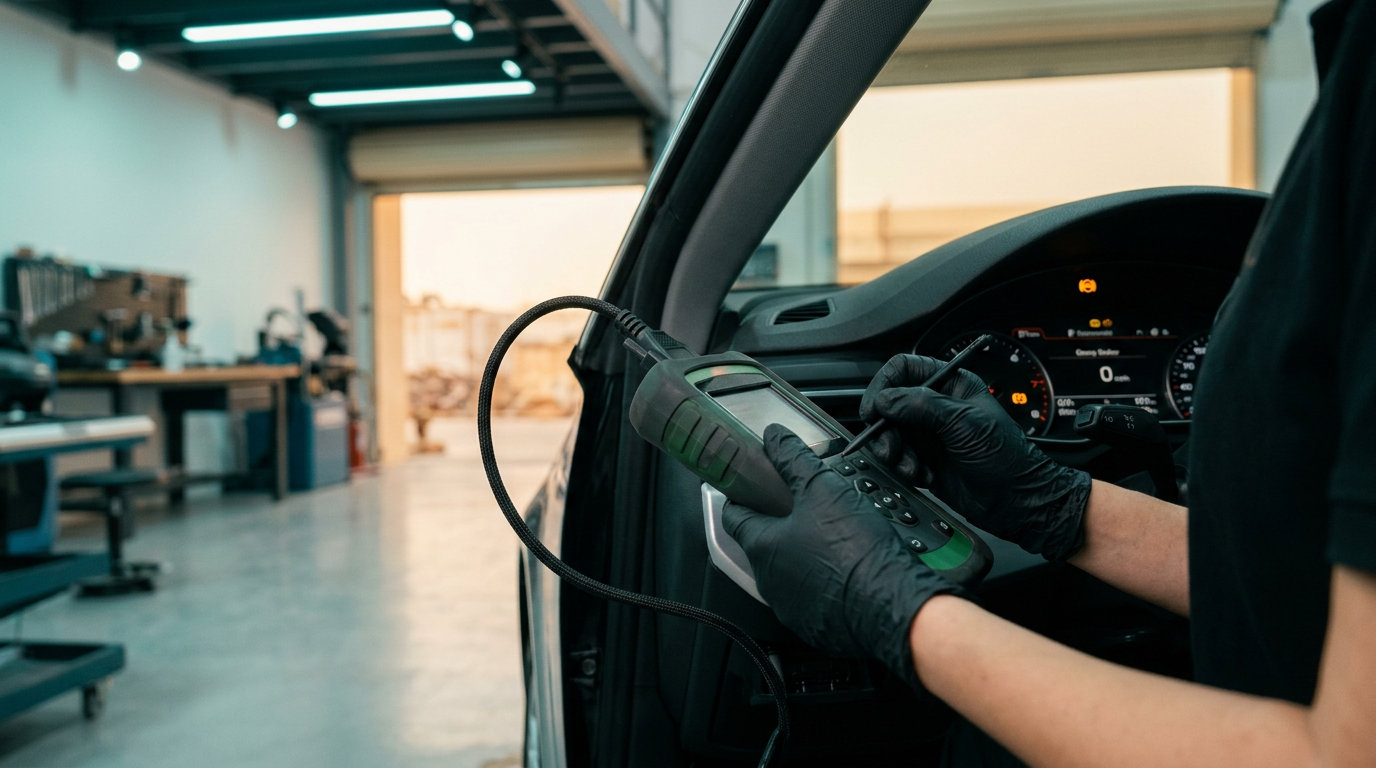
If any warning light stays on, connect an OBD scanner to read the fault code. Common causes include a failed wheel-speed sensor (ABS), a clock-spring ribbon in the steering column (airbag), or a TPMS sensor battery that has expired. Electrical and electronics diagnostics using manufacturer-grade equipment can pinpoint the fault; many European models require coding or calibration after component replacement, so choose a workshop familiar with your brand's systems.
Preparing for Your RTA Vehicle Inspection
The best strategy is a pre-inspection service two to four weeks before your registration renewal date. A technician will systematically check each item on the RTA test protocol, measure brake pad thickness, test emissions, inspect suspension, and scan for fault codes. Addressing failures early avoids the inconvenience of a rejected test, the AED 85 re-test fee (at time of writing—confirm current fees on the RTA portal), and the risk of driving an unregistered vehicle if your deadline passes.
Book your test slot online via the RTA Dubai app or through Tasjeel or other approved centres; mandatory appointment booking reduces waiting times. Bring your Emirates ID, current registration card, valid insurance certificate, and any service records that document recent repairs. For a complete checklist of documents and costs, see RTA Vehicle Testing in Dubai.
Common Mistakes That Cause Rejection
- Ignoring the check-engine light: Even if the car drives normally, a stored fault code will fail the emissions or safety-system check.
- Fitting non-compliant aftermarket parts: Tinted windows beyond legal limits, loud exhausts, or suspension modifications that alter ride height can all be rejected.
- Neglecting the number-plate lamp: It's small, easy to overlook, and an instant fail if not working.
- Assuming "it passed last year": Wear accelerates in Dubai conditions; brake pads, tyres and fluids degrade faster than in temperate climates.
- Booking the test on the renewal deadline: If you fail, you have no buffer to fix issues and re-test before your registration expires.
Why Independent Pre-Inspection Checks Make Sense
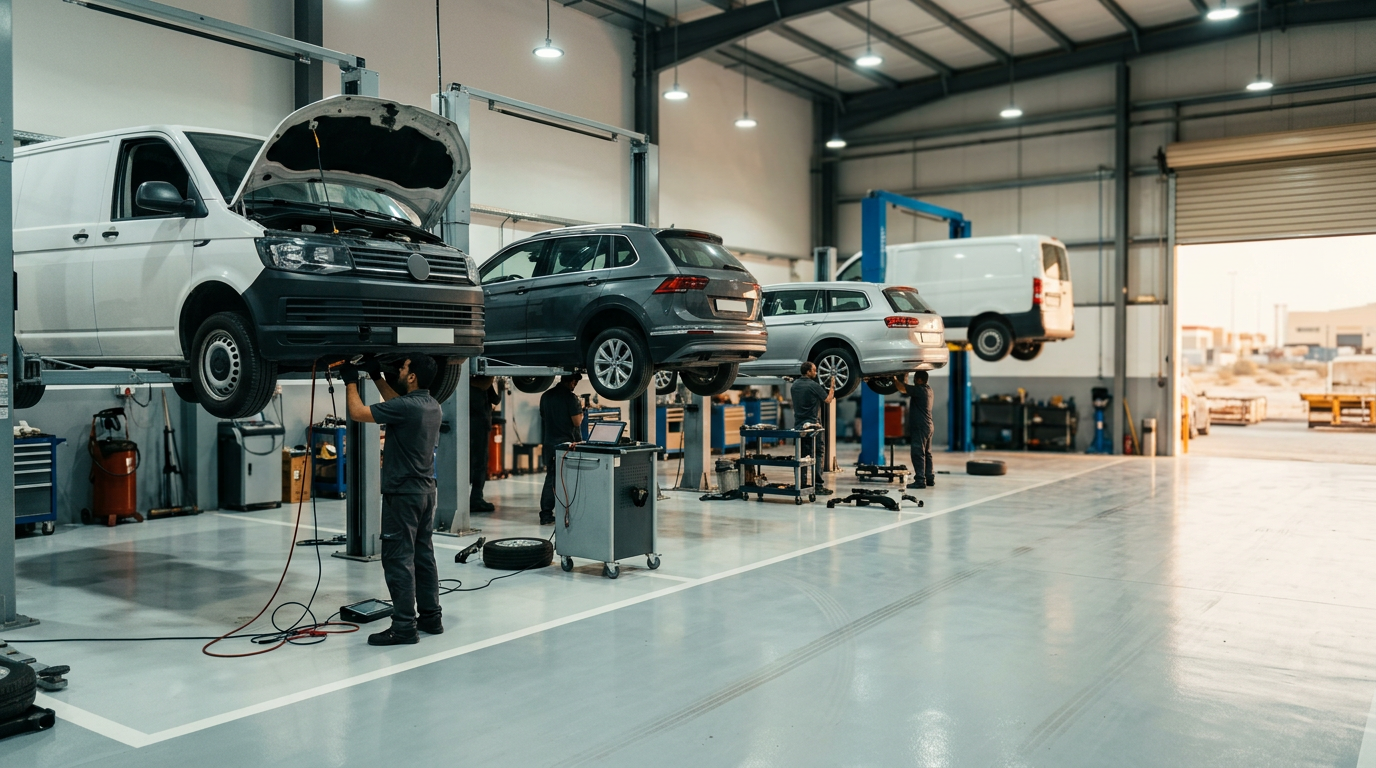
RTA testing centres are pass/fail gatekeepers; they do not repair vehicles. An independent service centre can perform the same inspection checklist, explain each item in detail, and carry out repairs on the spot or schedule them for a convenient time. For European and EV models—where components, software and calibration procedures differ from mainstream Asian brands—a specialist workshop with manufacturer-grade diagnostic tools ensures accurate fault identification and compliant repairs.
Many owners of BMW, Audi, Mercedes-Benz, Volvo, Land Rover, Porsche and electric models like Polestar find that a pre-test service at a trusted independent not only guarantees first-time RTA pass but also maintains the car's condition and resale value. If you operate a company fleet, fleet services and corporate accounts can streamline inspection scheduling and maintenance across multiple vehicles.
Need a pre-RTA inspection check or repair to fix a known fault? JAD Garage in Al Quoz 4 uses manufacturer-grade diagnostics to test every item on the RTA protocol—brakes, lights, emissions, suspension—and completes most repairs the same day. Call +971 56 355 6113 or send a WhatsApp to book your slot; we're open Monday to Saturday, 09:00–19:00.
Related reading: UAE Vehicle Inspection Statistics: Pass and Fail Rates.
Pre-RTA Check Before Your Renewal Deadline?
JAD Garage in Al Quoz 4 tests every item on the RTA inspection protocol—brakes, lights, emissions, suspension—and completes most repairs the same day. Call +971 56 355 6113 or WhatsApp to book your pre-test service.
Frequently asked questions