Car Recovery in Dubai: How It Works, Response Times and Costs


Car recovery in Dubai typically involves a flatbed or wheel-lift tow truck dispatched to your location, with response times ranging from 20 to 60 minutes depending on traffic and area. Services include towing, battery jump-starts, fuel delivery, and tire changes, with market prices for a standard tow within the city starting around AED 200–400.
What Is Car Recovery and When Do You Need It?
Car recovery is the professional service of moving a vehicle that cannot drive safely under its own power. In Dubai, you'll need recovery when your car breaks down on Sheikh Zayed Road during rush hour, refuses to start in a Mall of the Emirates car park on a 48°C afternoon, or suffers a flat battery after weeks of short trips between Marina and Business Bay.
Recovery is not the same as a simple roadside fix. If your vehicle can be started with a battery jump-start or driven after a tire change, that's roadside assistance. If the engine has seized, the gearbox has failed, or a dashboard full of warning lights means it's unsafe to move, you need a tow truck.
Common scenarios across the UAE include:
- Battery failure after the car sat unused for two weeks in summer heat
- Overheating on the E11 between Dubai and Abu Dhabi
- Collision or accident requiring removal from the road
- Flat tire with no spare or a seized wheel bolt
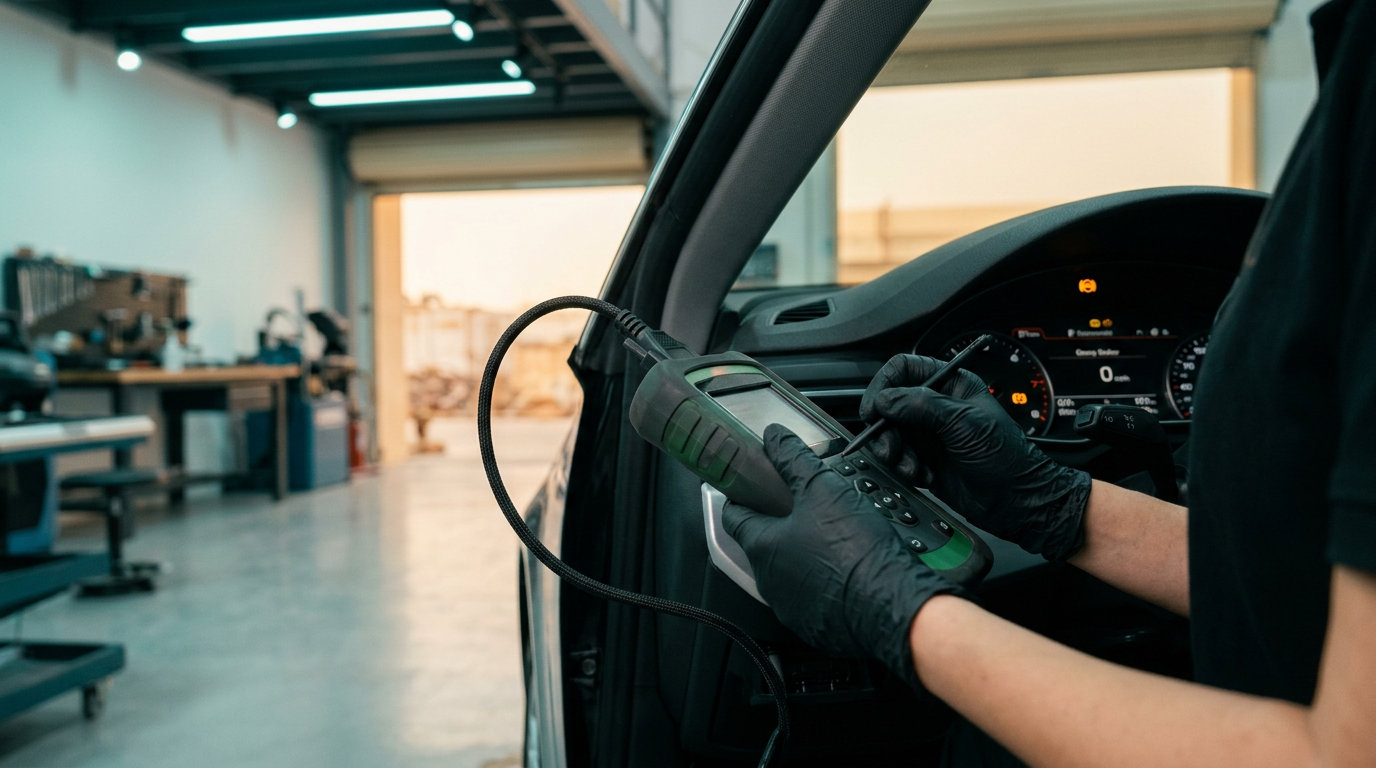
- Electronic faults that prevent the engine from starting (diagnostic scan needed)
- Running out of fuel on a desert road
How the Car Recovery Process Works in Dubai
When you call a recovery service, the dispatcher will ask for your exact location (use Google Maps or What3Words if you're unsure), vehicle make and model, and a brief description of the problem. This helps them send the right truck—flatbed for all-wheel-drive or low-clearance sports cars, wheel-lift for standard sedans.
The truck is dispatched immediately. In central Dubai—Al Quoz, Jumeirah, Business Bay—expect arrival within 20 to 40 minutes during normal hours. Out in the desert near Hatta or on the E44 past Sharjah, it may take 60 to 90 minutes. Friday afternoons and evening rush hours add delay.
Once on site, the driver will secure your vehicle. A flatbed lifts the entire car onto the bed using a hydraulic ramp; a wheel-lift raises the front or rear axle and tows with two wheels on the road. Flatbeds are safer for Porsche, Lamborghini, Audi quattro, and any luxury or supercar with low ground clearance or all-wheel drive.
You'll be asked where to deliver the car. Most people choose their trusted garage—if you're in Al Quoz 4, that's a short tow. If the breakdown happened at 2 a.m. and your garage is closed, the truck can deliver to your home, but make sure there's legal street parking or a driveway.
The driver will give you a receipt and, if needed, a incident report for insurance. Keep both; insurers often cover recovery costs after an accident, and you'll need proof for claims.
Roadside Assistance vs Full Recovery
Many recovery providers offer a two-tier service. Roadside assistance means the team tries to get you moving again without a tow. This includes:
- Battery jump-start (works if the battery is simply drained, not dead)
- Tire change (if you have a spare in good condition)
- Fuel delivery (a few litres to reach the nearest petrol station)
- Lockout service (unlocking the car if keys are inside)
If the problem is more serious—engine won't turn over, brakes have failed, suspension is broken—the vehicle must be towed. Roadside assistance usually costs AED 150–250 in the Dubai market; a full tow starts higher.
For recurring issues like a battery that drains every few days, book a proper battery replacement and electrical system check rather than relying on jump-starts.
Response Times Across Dubai and the UAE
Response time depends on your location, time of day, and the provider's fleet distribution. Here's what to expect:
| Area | Typical Response Time |
|---|---|
| Central Dubai (Al Quoz, DIFC, Downtown) | 20–40 minutes |
| Dubai Marina, JBR, Palm Jumeirah | 25–45 minutes |
| Deira, Bur Dubai, Al Karama | 30–50 minutes |
| Dubai Silicon Oasis, International City | 35–55 minutes |
| Sharjah, Ajman | 40–70 minutes |
| Abu Dhabi (from Dubai base) | 60–90 minutes |
| Desert roads (E44, E66, Hatta) | 60–120 minutes |
Rush-hour traffic between 7–9 a.m. and 5–8 p.m. can double these times, especially on Sheikh Zayed Road. If you're stranded in a dangerous spot—hard shoulder of a fast highway—call Dubai Police on 999 first; they can send a patrol to keep you safe while the recovery team is en route.
Typical Market Costs for Car Recovery in Dubai
Prices vary by provider, distance, vehicle type, and time of call. The ranges below reflect typical Dubai market rates as of 2025; always confirm the quote before the truck is dispatched.
- Roadside assistance (battery jump, tire change, fuel delivery): AED 150–300
- Local tow within Dubai (up to 20 km): AED 200–400
- Longer tow (20–50 km, e.g. Dubai to Sharjah): AED 400–700
- Flatbed for sports/luxury car: AED 300–600 (local), higher for distance
- Night or weekend surcharge: +20–50% on base rate
- Tow from accident scene (with police report): often covered by insurance, otherwise AED 250–500
Heavy vehicles, Range Rover, or Bentley SUVs may incur a surcharge. Always ask if the quote includes VAT and any waiting time if the driver has to secure the scene or wait for police clearance.
What to Do While Waiting for Recovery
Safety first. If you're on a highway, move the car to the hard shoulder if it's still driveable, switch on hazard lights, and place the red warning triangle 50 metres behind the vehicle (it's mandatory in your boot under UAE law). Get out on the passenger side, away from traffic, and stand behind the barrier if there is one.
In a car park or residential street, stay with the vehicle if it's safe and shaded. In summer, sitting in a dead car with no air conditioning is dangerous—find shade nearby and keep water on hand. Check your phone battery; you'll need it to guide the driver to your exact spot.
Take photos of dashboard warning lights and any visible damage. If the breakdown follows a pattern—overheating every week, recurring stalls—note the conditions so your garage can diagnose the root cause.
Insurance Coverage and Recovery Costs
Comprehensive car insurance in the UAE often includes roadside assistance and recovery after an accident. Check your policy documents or app; many insurers partner with specific recovery providers and will cover the full cost if you call their approved number.
If you arrange your own tow, you may need to pay upfront and claim reimbursement later. Keep the receipt and any police report. Non-accident breakdowns—mechanical failure, flat battery—are usually not covered unless you've added a roadside-assistance rider to your policy.
For fleet managers, a corporate account with a recovery provider can streamline costs and response for multiple vehicles across the city.
Choosing a Recovery Provider in Dubai
Look for a service with GPS-tracked trucks, transparent pricing, and a dispatcher who speaks English and Arabic. Ask if they carry flatbeds suitable for low cars—many Ferrari, McLaren, and Aston Martin owners have horror stories of wheel-lift damage.
Check reviews for response time and professionalism. A good provider will give you an arrival estimate and update you if there's delay. Avoid anyone who won't quote a price range over the phone or insists on cash only with no receipt.
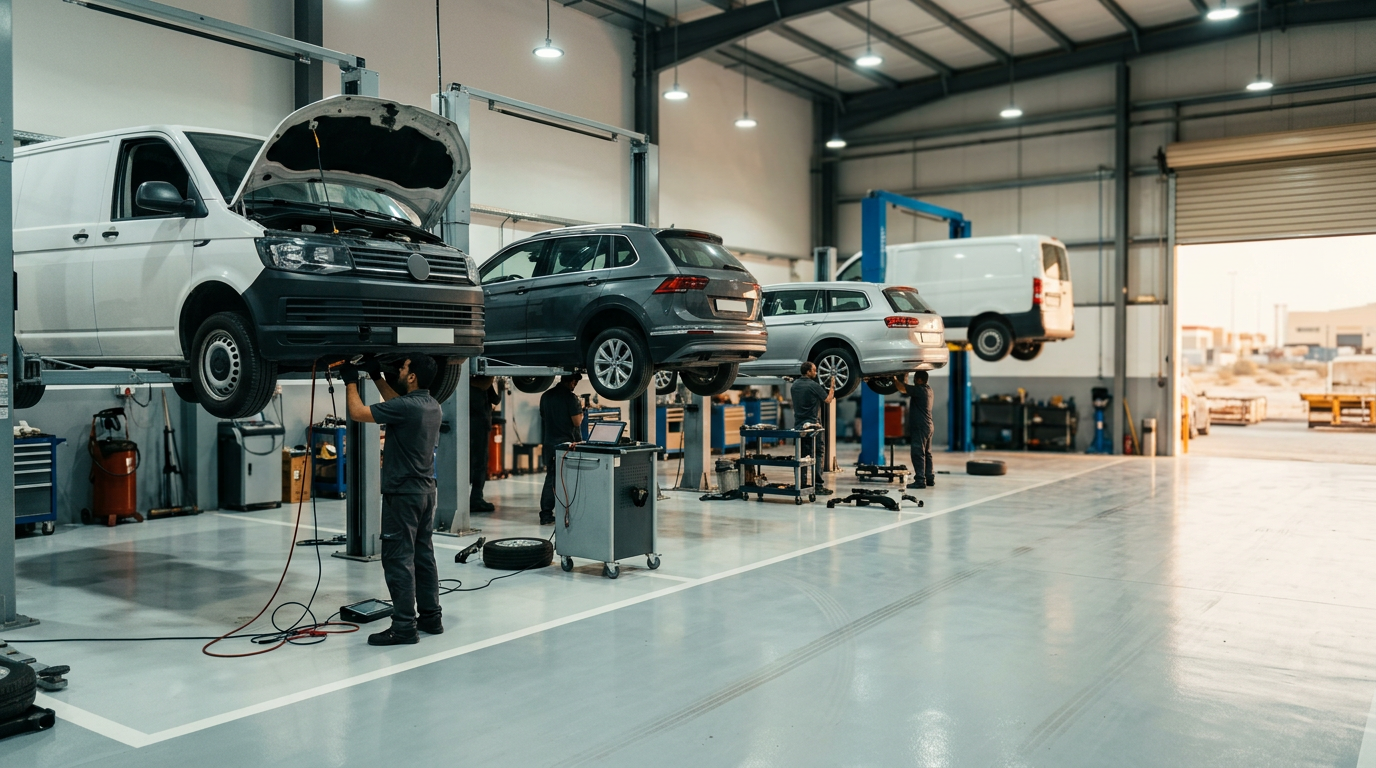
If your car is a BMW, Mercedes-Benz, Volkswagen, or any European marque, confirm the garage you're towing to has the right diagnostic equipment—a mobile mechanic can handle simple fixes, but complex faults need a full workshop with manufacturer-grade scanners.
Preventing the Need for Recovery
Regular servicing is the best defence. General maintenance catches failing batteries, worn belts, and low coolant before they strand you. In Dubai's heat, batteries rarely last beyond three years, and AC compressors work overtime—both are common breakdown triggers.
If you drive short distances only—home to office, office to mall—your battery may never fully charge. A monthly highway run or a smart charger at home helps. For cars that sit unused, disconnect the battery or use a trickle charger to avoid a dead cell.
Before a long trip to Abu Dhabi or Al Ain, check tire pressures, coolant level, and oil. Carry a spare tire or run-flat inserts, a phone charger, and the number of a trusted recovery service. A pre-purchase inspection before buying a used car can also reveal hidden issues that might leave you stranded later.
Breakdown in Al Quoz? We're Close By
JAD Garage is located at Warehouse No.1, Street 8, Al Quoz 4—a short tow from most of Dubai. Whether your car needs diagnostics, a new battery, or full repair after recovery, call +971 56 355 6113 or WhatsApp us to arrange drop-off.
Frequently asked questions